Proper coatings can protect bakery environments: Sherwin-Williams
An expert from the company shares strategies on keeping facilities safe.
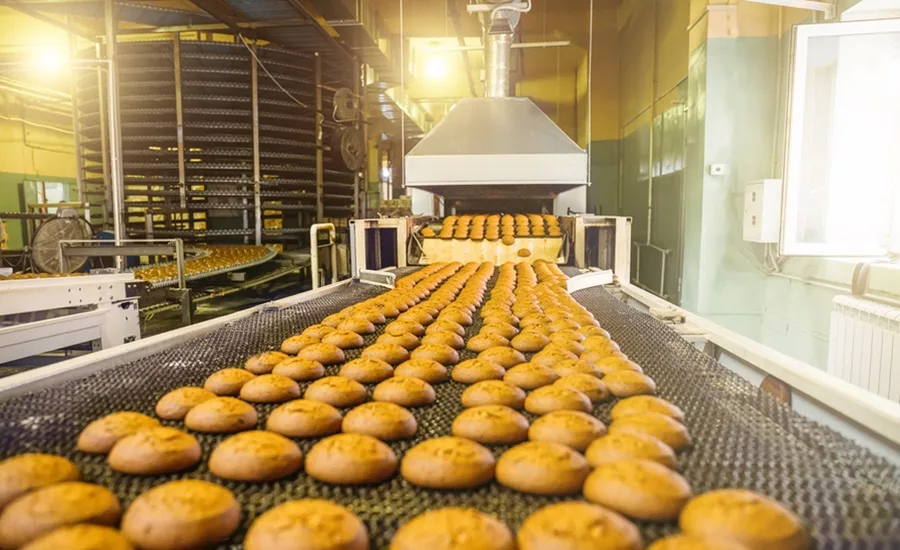
In baked goods manufacturing, where flour dust lingers in the air and ovens operate at high heat around the clock, safety and sanitation are critical to daily operations. From large-scale commercial bakeries to small-batch artisanal producers, facility managers must navigate a range of environmental challenges. High-performance coatings, when thoughtfully specified and applied, can play a pivotal role in addressing these risks while supporting long-term efficiency and compliance.
Hidden hazards of heat and dust
Bakeries are vulnerable to fire and explosion risks due to the presence of airborne flour dust, which is highly combustible under the right conditions. Even a thin layer of settled dust on a surface can ignite if exposed to a heat source or electrostatic discharge. As production demands increase, so does the potential for dust accumulation, particularly in hard-to-reach areas like steel beams, ledges, and electrical enclosures.
Electrostatic discharge (ESD) floor coatings are increasingly used as a line of defense. These specialized coatings help dissipate static energy, reducing the chance of a spark triggering a dust explosion. In high-risk zones such as dry ingredient handling and packaging areas, ESD-capable coatings support a layered approach to fire safety alongside ventilation and grounding.
Standing up to heat, day after day
Heat exposure is another constant challenge in bakery facilities, where ovens, proofers, and thermal processing lines generate high temperatures. Over time, this intense heat can degrade traditional building materials, causing paint to peel, surfaces to blister, and substrates to crack or corrode.
These coatings form a protective barrier on walls, ceilings, and structural steel, helping prevent material breakdown and ensuring surfaces remain intact under extreme conditions. Their durability also reduces the frequency of repairs and re-coating, cutting down on maintenance-related downtime in busy production zones.
Clean surfaces start with the right coatings
Hygiene is a top priority in baked goods manufacturing, particularly in the storage and handling of ingredients like flour, sugar, and yeast. Silos, bins, and other storage vessels must be lined with materials that prevent contamination and uphold food safety standards.
Food-grade coating systems, especially those compliant with FDA 21 CFR 175.300, offer essential protection for interior surfaces exposed to dry food contact. These coatings resist corrosion, abrasion, and microbial growth while providing a smooth, nonporous surface that’s easy to clean and inspect. By maintaining the integrity of ingredient storage areas, these systems support both quality control and regulatory compliance from the start of the production process.
Flooring that works as hard as you do
Bakery floors face constant wear and tear from foot traffic, wheeled equipment, ingredient spills, and rigorous sanitation procedures. Without proper protection, these surfaces can become slippery, cracked, or stained, posing safety risks and complicating cleaning routines.
Resinous flooring systems, such as epoxy or urethane concrete, offer seamless, chemical-resistant surfaces that stand up to the demands of bakery environments. These systems can be customized with slip-resistant textures to enhance worker safety and are able to withstand frequent washdowns and thermal fluctuations. In dry processing areas where static discharge is a concern, ESD-resistant flooring options provide additional protection, contributing to a safer, more controlled working environment.
Planning for longevity and efficiency
Coatings do more than protect individual surfaces; they’re strategic tools for driving operational efficiency and longevity across the facility. For example, reflective or renewable roofing coatings can reduce solar heat gain and extend the service life of the roof, lowering energy costs without the disruption of a full replacement. Similarly, thermal insulative coatings (TICs) applied to pipes and hot equipment help reduce heat transfer, improving worker safety and reducing HVAC loads.
These performance-driven solutions contribute to broader goals, such as sustainability or facility longevity. By selecting coatings that address not only immediate challenges but long-term performance needs, bakery operators can maximize ROI while improving day-to-day conditions for their teams.
Making protection a team effort
Every bakery facility is different, and so are the risks, materials, and production workflows involved. That’s why it’s important to take a tailored approach to facility protection. Engaging coating experts early in the design or renovation process can help identify key risk areas and recommend coating systems that align with specific environmental, regulatory, and operational needs.
Whether addressing static discharge, thermal stress, or sanitation challenges, a proactive coating strategy ensures that safety, compliance, and performance are built into the facility from the start. When thoughtfully integrated, coating systems not only protect the facility, but they also support the smooth, saf,e and sustainable production of every baked good that leaves the line.
Related: Advanced coatings anchor Hershey's U.S. chocolate plant
Looking for a reprint of this article?
From high-res PDFs to custom plaques, order your copy today!