Serving up a 'clean' sweet
With the interest in sugar-free sweeteners on the rise, the industry works to meet consumers' needs
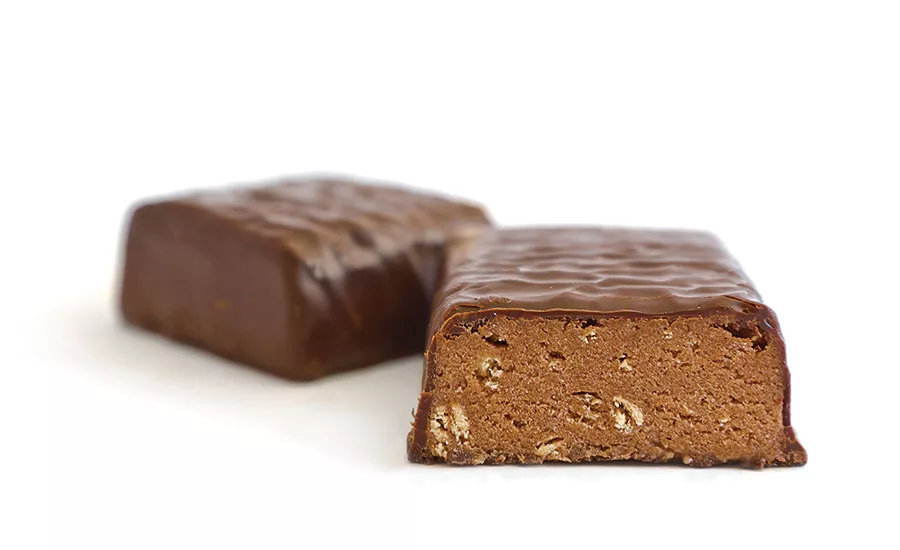
Consumers looking for alternative sweeteners to sugar are finding manufacturers using ingredients such as stevia in chocolate products. (Photo courtesy of Steviva Ingredients)
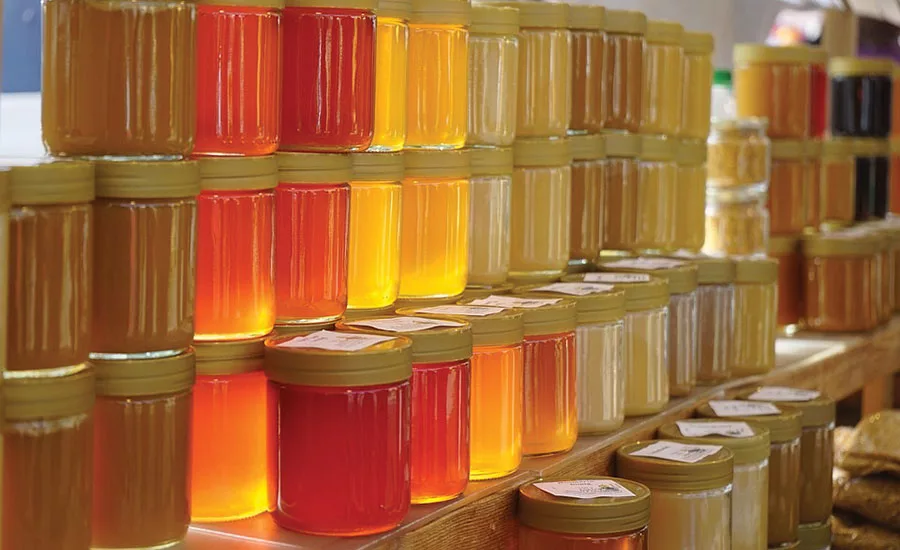
Honey offers natural sweetness and the ability to bind nuts, seeds and fruit pieces. It also contains 17 grams of carbohydrates per tablespoon. (Photo courtesy of the National Honey Board)

Artificial sweeteners increase the initial sweetness and intensify the overall sweetness in many confections.
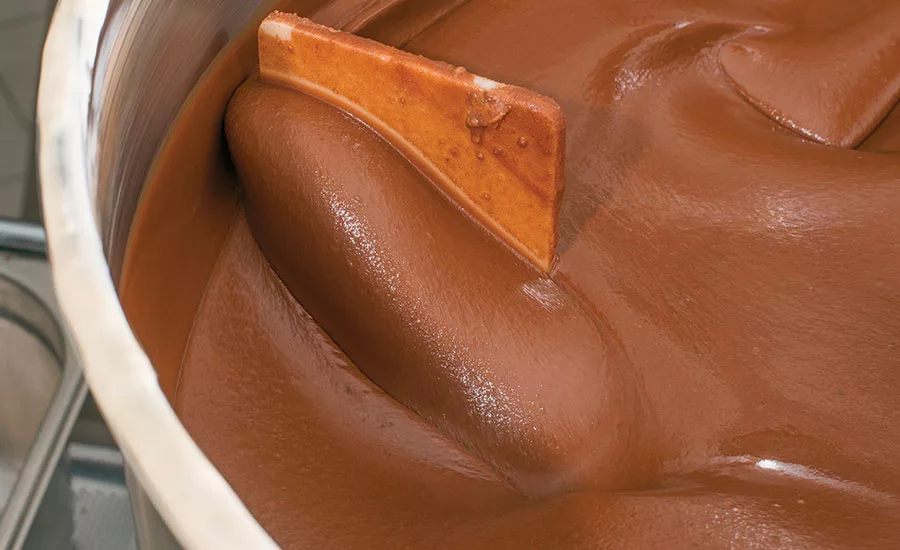
Consumers looking for alternative sweeteners to sugar are finding manufacturers using ingredients such as stevia in chocolate products. (Photo courtesy of Steviva Ingredients)
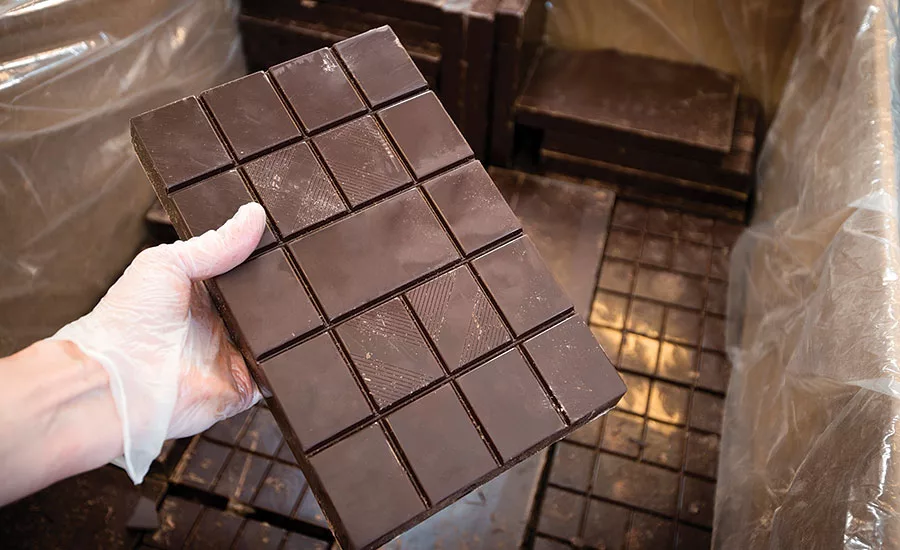
Consumers looking for alternative sweeteners to sugar are finding manufacturers using ingredients such as stevia in chocolate products. (Photo courtesy of Steviva Ingredients)
Consumers have become more concerned about their sugar consumption and, as a result, focus on sugar reduction and clean labels will likely continue. Recognizing this, confectioners have reformulated their products to fit consumers’ needs.
Sugar is used to give confectionery products sweetness and enhance confectionery flavors such as chocolate, vanilla, caramel and fruit. Furthermore, one of sugar’s biggest values is its ability to maintain texture, says Sanjiv Avashia, principal scientist for Tate & Lyle’s bakery, snacks and confectionery division.
“Besides sweetness and flavor enhancement, crystallization is the most important attribute sugar brings to confectionery formulations,” Avashia says. “This makes products like hard candies possible to create when combined with other sweetening solutions such as corn syrup. Many confectionery products need to maintain a soft and chewy texture over time without hardening. Sugar is also very effective for binding moisture, providing excellent humectancy to maintain this texture over the shelf life of a product.”
While sugar has proven itself over time to deliver sweetness and functionality, it can contribute to obesity, diabetes and other metabolic diseases if consumed in excess, says Thom King, ceo and founder of Steviva Ingredients, Inc. Consequently, many consumers who scrutinize ingredient labels have simultaneously been looking for alternative sweeteners.
Honey has remained a popular choice, given its natural sweetness and ability to bind nuts, seeds and fruit pieces. Honey contains 17 grams of carbohydrates per tablespoon, making it a natural source of energy that can be used in meal bars targeted at athletes.
“Honey is playing an ever-expanding role in confectionery products as consumer cravings for indulgent, but all-natural sweeteners infiltrates the candy aisle,” says Catherine Barry, director of marketing for the National Honey Board.
More than one type of sweetness is available when it comes to honey. There are more than 300 varieties of honey, which all have unique flavors and colors. The variety comes from floral sources including alfalfa, wildflower, buckwheat and tupelo.
The honey’s source and flavor can be taken into account when incorporating it into product formulations. For example, confectioners could use orange blossom honey for more delicate candies and buckwheat honey for a richer flavor, Barry says.
She also points out that the popularity of honey in confectionery products has risen as consumers search for recognizable ingredients in the products they purchase. Honey also offers marketability, as confectioners and manufacturers could use popular honey iconography, including honeycomb, bees and honey dipper images.
“It’s not enough for a product to taste good anymore,” Barry says. “Consumers want to know everything about the product, including the ingredients, where they come from and more.”
According to Innova Market Insights, sweetener use in new global product launches grew 13 percent from 2014 to 2015. Sucralose, an artificial sweetener, was the most used ingredient with a 40 percent increase in the same time frame.
Artificial sweeteners’ technical capabilities could contribute to their popularity. They increase the initial sweetness of candy and intensify the overall sweetness. For those reasons, artificial sweeteners have become popular in mints, gum and some hard candies. Chewing gum, for example, is often made sugar-free because sweeteners can offer better taste and texture than gum that contains sugar.
“Polyols are used in all types of confectionery products,” says Cheryl Colline, marketing specialist at The Ingredient House. “They have less calories and work well alone or in combination with sugar, high-intensity sweeteners and other polyols.”
High-intensity sweeteners in beverages, confectionery products and baked goods are in high demand as consumers become mindful of their caloric intake. These artificial sweeteners also serve as an alternative for people who have diabetes or need to reduce sugar intake. Over the last decade, the quality and taste of artificial sweeteners has improved and continues to improve.
“All sugar alternatives can be considered healthy alternatives when your objective is to avoid sugar,” Colline says. “However, the health of an individual is more likely to be influenced by the total diet than individual ingredients.”
Natural sweeteners, such as honey and agave nectar, are comprised mostly of fructose, which does not affect blood sugar levels as much as sucrose. However, honey and agave nectar can increase blood lipid levels, potentially contributing to metabolic disease, King says.
“Using high intensity natural sweeteners such as stevia and monk fruit extracts in tandem with low intensity polyols such as erythritol can help off-set dosage levels of fructose in confectionery,” King says. “Using these can make deep cuts in total sugars while maintaining a clean label statement.”
For example, Steviva’s Erysweet+Ultra blend, an ultra-fine powdered erythritol-stevia blend, can act as a replacement for super-fine powdered sugar in chocolate, coatings, fillings, frostings, glazes, fondants and icings. Erysweet+Ultra is twice as sweet as sugar with 0.2 calories per gram, compared to sugar which is 4 calories per gram.
While confectioners may be able to use smaller amounts of sweeteners than sugar to maintain equal levels of sweetness, it could change the texture and stability of the product. Avashia recommended using a combination of sweeteners, such as Tate & Lyle’s Dolcia Prima allulose and Tasteva stevia sweeteners, to replicate textures.
“Sugar plays such an important functional role in confections,” Avashia says. “Once you remove sugar, you have to consider functional issues such as more water in the formulation, which can make a final product very unstable. In addition, restoring texture is key and really makes it much more challenging for formulators in this category.”
By 2018, FDA guidelines requiring the reporting of added sugars will go into effect. With these guidelines set, it is likely that interest in sugar-free sweeteners will increase in 2017, King says.
“Clean label sugar reduction can bolster sagging sales while being part of the solution to mitigate metabolic disease,” King says.
Whether a confectionery product contains natural or artificial sweeteners, sales often come down to consumers’ taste and personal preference. As more consumers become interested in clean labels, the industry will work to meet those demands.
Looking for a reprint of this article?
From high-res PDFs to custom plaques, order your copy today!