Maximizing gummy and jelly productivity
Manufacturers need versatile equipment to compete in chewy, gummy candy categories.
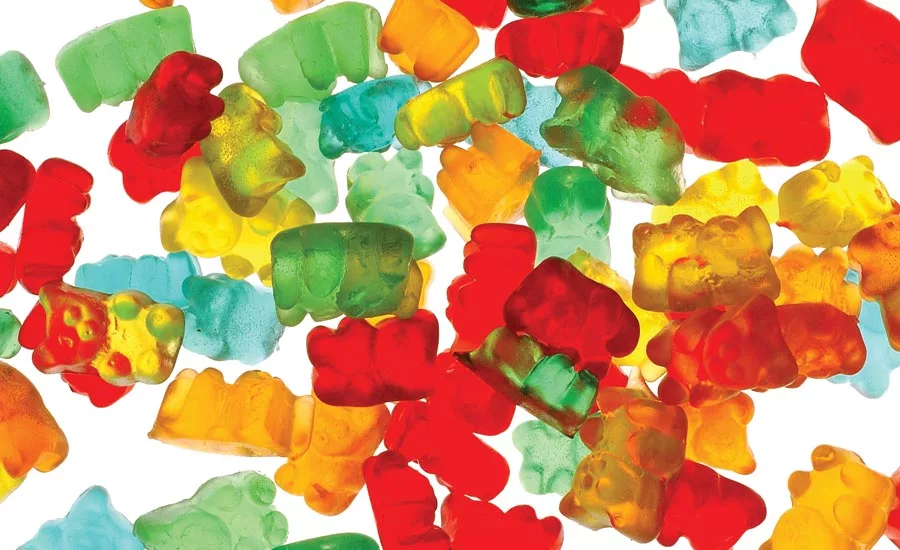
Gummy candies are truly unique. Typically a mixture of gelatin, sweeteners, flavorings, and colorings, gummies can be moulded into thousands of shapes, sizes and formats, making it one of the most versatile confections on the market. Since they were first developed, gummies and jellies have gained immense popularity around the world.
From novel texture claims, allergy-friendly options and active health claims to make-your-own-kits, product innovation is rife in the confectionery market. The global jellies and gummies market is projected to post significant growth, reaching a CAGR of 4 percent between 2016 and 2022. Key consumer trends, such as reduced calorie and sugar intake and the adoption of nutritious eating habits and healthier lifestyles, are expected to be driving this growth.
Among the innovative launches, chewable nutraceutical gummies are on the rise – between 2017 and 2021, the market is predicted to experience 2.7 percent year-on-year growth, as nutrition-conscious individuals look for a convenient way to consume the vitamins and other nutrients their bodies require. Meanwhile, jellies made from fruit pulp or juices, gluten and gelatin-free candies and organic options are emerging to cater to a wider variety of the global population.
As consumer demand grows, manufacturers must find innovative ways to stand out from the competition. They therefore need newer, smarter and more versatile gummy processing technology that can cater to these demands. Whatever the product, manufacturers require equipment that can provide them with advanced processing flexibility to create different product types and finishes and achieve optimum productivity.
Flexibility at every step
Starch moulding technology offers manufacturers the flexibility to create jellies and gummies in all manner of formats, as well as licorice, fondant, cream, marshmallow foam and similar items. The depositing process, for example, delivers multiple opportunities to accommodate various product types and colors. The pumps are often available in a range of piston diameters and configurations and are therefore suitable for handling different recipe types, from light, aerated masses to heavy liquid-based syrups.
Meanwhile, other pump variations are designed to deposit single-color or side-by-side color articles, as well as center-fill, layered and striped confections. Popular multi-layer combinations include marshmallow, fruit drops and a fruit preparation or jelly, cream and foam products. This offers manufacturers the ability to create a wide array of product types and is ideal for those looking to keep creating new and exciting confectionery options.
Similarly, the nature of the starch moulding process enables manufacturers to create a range of different product attributes. For example, starch conditioning technology (also known as drying or curing) allows manufacturers to achieve a longer or shorter bite. For pectin-based products, the room temperature should be lowered to 20 degrees Celsius, while the use of modified starch, ideal for vegetarian confectionery products, needs to be cooked in an oven for up to 48 hours. This is particularly important for manufacturers looking to satisfy regional preferences for texture and bite. In some regions, such as Russia and Eastern Europe for instance, consumers tend to prefer specialty jellies and gummies, while in Germany, harder gummies are more popular. Besides the recipe used, the starch drying process allows manufacturers to create a range of gummies with varying textures and bites to cater for regional favorites. Furthermore, this process also results in the gummy hardening on the outside, which protects it from damage to maintain overall product quality.
A further step that can offer manufacturers greater flexibility is sugar coating. Conventional techniques involve passing a moulded jelly through a steam bath and then running it through a curtain of sugar in a tumble drum. This can often result in degradation of the gummy shape, since its outer coating melts when it is heated. Recent developments have demonstrated that tacking agents, applied at a set rate via specialized equipment, enable the coating of a gummy without drenching it. A scarfplate can then be used to apply the sugar or citric acid with greater control into a small tumble drum. The result is a shorter retention time with improved product quality.
The process also gives manufacturers greater flexibility in flavor application, since dry ingredients, or even flavored tacking agents, can be added at a specific rate to cater for different consumer preferences. In Mexico, for example, chili powder is often used to flavor confectionery products, while in the United States and Europe, acid blends are increasingly used to coat jellies and gummies to meet growing consumer demand for extreme sour taste experiences. Such innovation could potentially lead to the development of new and unique confectionery products.
A similar approach is also being taken toward oil polishing. Currently, oil application is measured by the operator eye, which can easily result in gummies or jellies being over- or under-coated. Accurate oil application and controlled spray ensure a more reliable and repeatable gummy polishing process and maintain overall product quality and appearance. Furthermore, amid growing consumer demand for more healthful confectionery products, manufacturers can easily control the quantity of oil used in a recipe for a better nutritional profile.
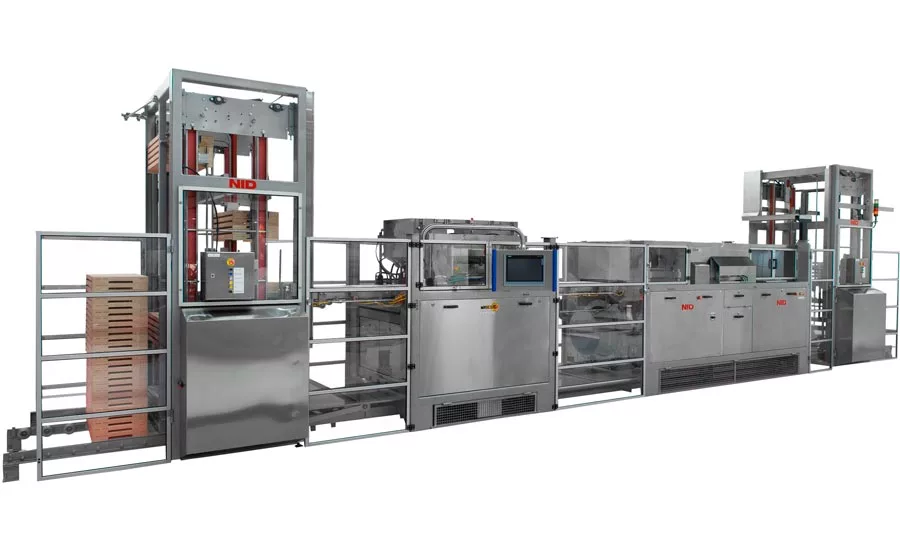
Flexibility is not purely limited to the product. Today’s manufacturers also need the flexibility to scale production up or down as required to meet changing market trends. Over time, starch moulding equipment has evolved to allow manufacturers to reach high throughput levels and stay competitive in an increasingly crowded market. For instance, early starch moulding lines required the trays to be stacked manually using hand jacks and track systems. Modern machines, however, stack their own trays at very high speeds.
A key advantage of starch moulding is its ability to simultaneously produce a large quantity and variety of gummies or jellies in a short amount of time. High-speed moguls that incorporate advanced servo control allow production rates of up to 35 trays per minute, 24 hours per day and seven days a week. The most innovative technology offers the ultimate combination of productivity and versatility, with advanced servo control and industry 4.0 integration, enabling automation and optimization of the total system line, from kitchen to packing.
As the confectionery market continues to grow, there is a greater need than ever for manufacturers to create products that deliver a memorable sensory experience and that stand out amongst competitor products. Experimenting with new textures, ingredient combinations and flavors is showing great market return for leading manufacturers. This, however, is having an impact on the processing plant. Manufacturers increasingly require more innovative, smarter and versatile gummy processing technology that can help them cater to constantly evolving consumer demands.
Looking for a reprint of this article?
From high-res PDFs to custom plaques, order your copy today!