Color me natural: 2016 confectionery color trends
In spite of the challenges they pose, naturally-derived colors are gaining popularity as major companies and consumers increase demand.
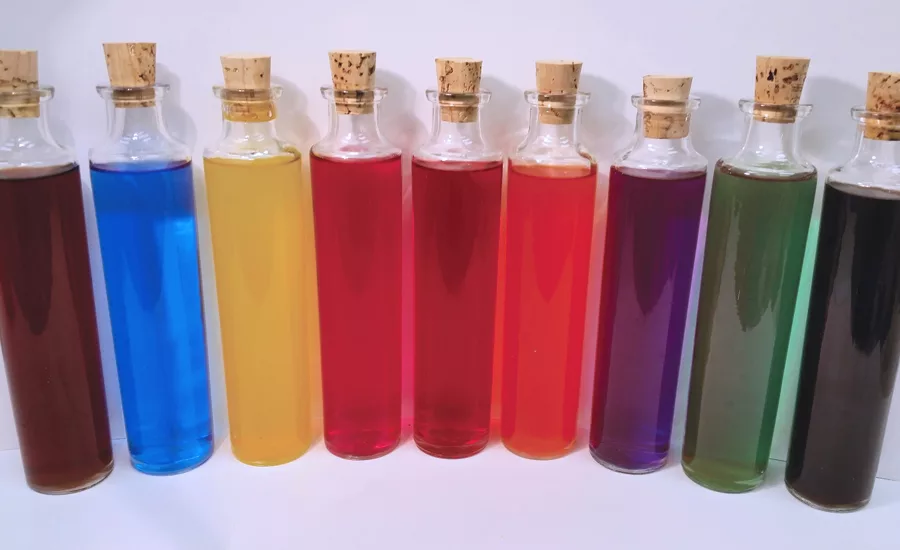
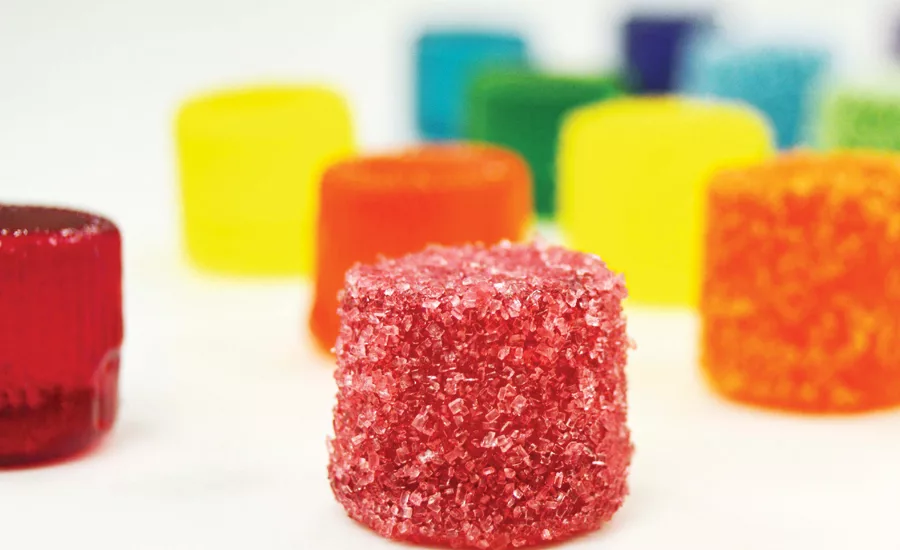
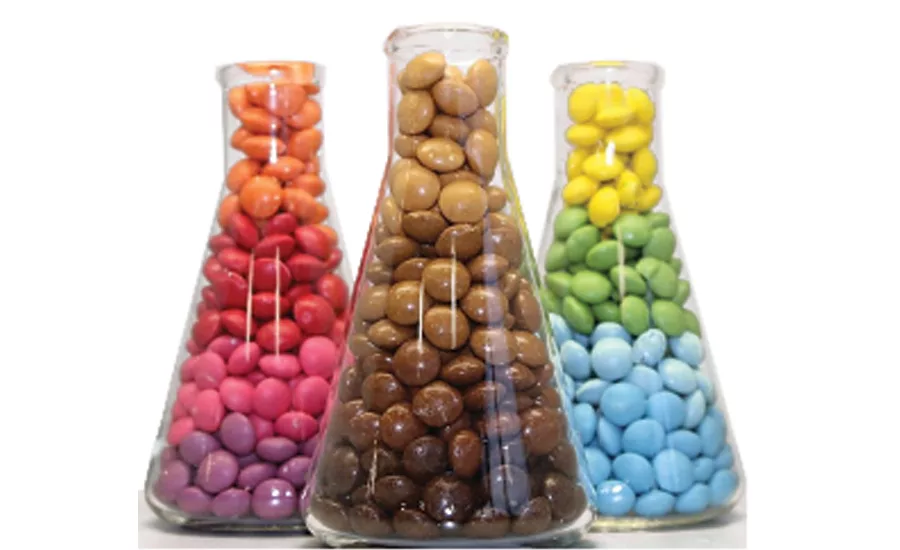
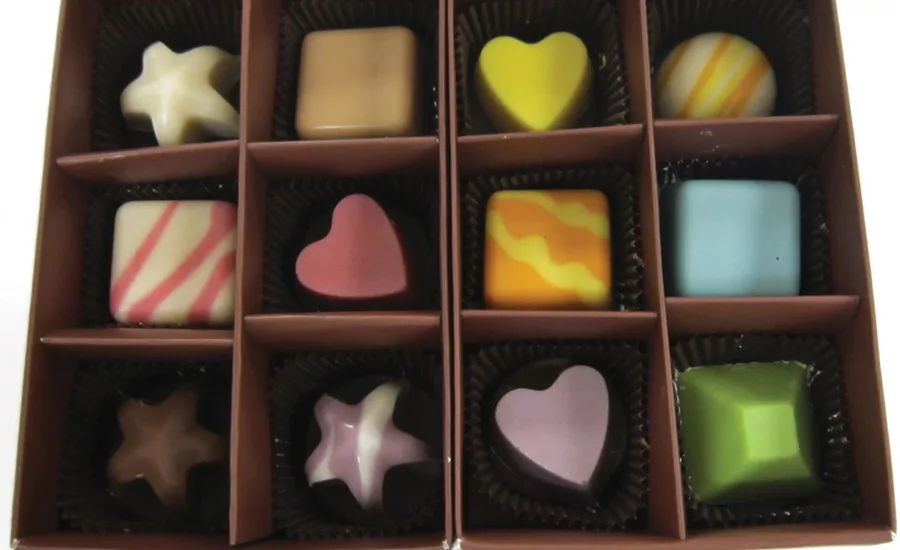
Think of a candy — any candy. Chances are the image that conjured was something bright. The confectionery industry is known for its whimsical, colorful treats.
And as more and more major companies are pledging to stop using artificial colors in their products, the message is clear: The push for a cleaner label extends to the ingredients used to create the visual aesthetics of the products as well.
Nestlé USA led the charge early in 2015, becoming the first major candy company in the United States to remove artificial flavors and colors from its products. More than 250 products and 10 brands, including Nestlé Butterfinger, Crunch, andBaby Ruth were free of artificial flavors and FDA-certified colors by the end of the year. The company changed 75 recipes to remove those colors and flavors from its chocolate brands, either by simply removing them or by replacing them with natural ingredients.
As part of the world’s leading nutrition, health and wellness company, Nestlé USA considered removing artificial flavors and colors in chocolate brands an important milestone in its ongoing journey.
Then, earlier this year, Mars followed suit, pledging to remove artificial colors from its human food products as part of its commitment to meet evolving consumer preferences. And those preferences have certainly become more oriented toward clean labels.
“With current market trends being influenced by health conscious Millennials and more informed mothers, the pressure to make the change is increasing,” says Scott Ondracek, associate food science chemist, DDW Color.
Joni Stern, president of Stern Ingredients, agrees, saying, “The new millennial consumers are reading more labels than ever and looking for transparency.”
Most notable, though perhaps not most widely-known, in the debate between natural and artificial colors is that the distinction between the two is poorly defined and riddled with technical traps.
The FDA splits colorants into two categories: Certified (“artificial” or FD&C colors) and Exempt from Certification (“natural” or naturally-derived colors). There does not exist, however, a definition for what is considered “natural.” And any color, naturally-derived or not, can be considered “artificial.”
“If red beet juice is used to give color to a raspberry vinaigrette, the color is considered artificial because the color in beets is not found in raspberries,” says Ondracek. “Alternatively, if red beet juice is used to standardize the color of borscht, the soup would be considered naturally colored.”
The most commonly-referred to “artificial” colors are the FD&C colors, which were designed to provide a standard and consistent color regardless of processing conditions and other ingredients, adds Ondracek. They’ve been used for so long in some brands that they provide brand recognition for consumers. Switching away from FD&C colors to naturally-derived ones becomes a challenge for the brands, which have very tight tolerance on the color variations they can accept in new color formulations.
Replicating the FD&C colors with naturally-derived ones involves a handful of challenges.
For one, it’s harder to use. Naturally-derived colors are generally not as stable as artificial ones, says David Dukes, president, IFC Solutions. They have a shorter shelf life, cost more, require higher usage rates, and are impacted more by factors such as pH, light and temperature.
All of those factors, accompanied by the fact that naturally-derived colors tend to be less concentrated, make it difficult to create a complete palate, adds Jeff Greaves, president, founder, and manager of Food Ingredient Solutions. Not every pH is compatible with the less stable naturally-derived colors.
There’s also a short list of FDA-approved ingredients that are permitted to be used as a so-called “natural color.” If an ingredient is not on that list, it’s not permitted to be used as a colorant and the process to get new ones approved is difficult. According to Ondracek, if a company wants to use a completely new color in the United States market, a petition has to be filed with the FDA, which can be a lengthy and expensive process.
Naturally-derived colors can also cost 10-25 times more than synthetics to use. And as with any cultivated product, quality and yield can be affected by the weather.
“One of the biggest supply chain issues is forecasting,” says Ondracek. “Unlike FD&C certified colors, natural color sources have specific harvest seasons and suppliers have to predict in advance how much of each source they will need.”
With the exception of labeling, the benefits of using naturally-derived colors are few. But it’s the direction consumers want and food companies are doing their best to meet the demand, says Dukes.
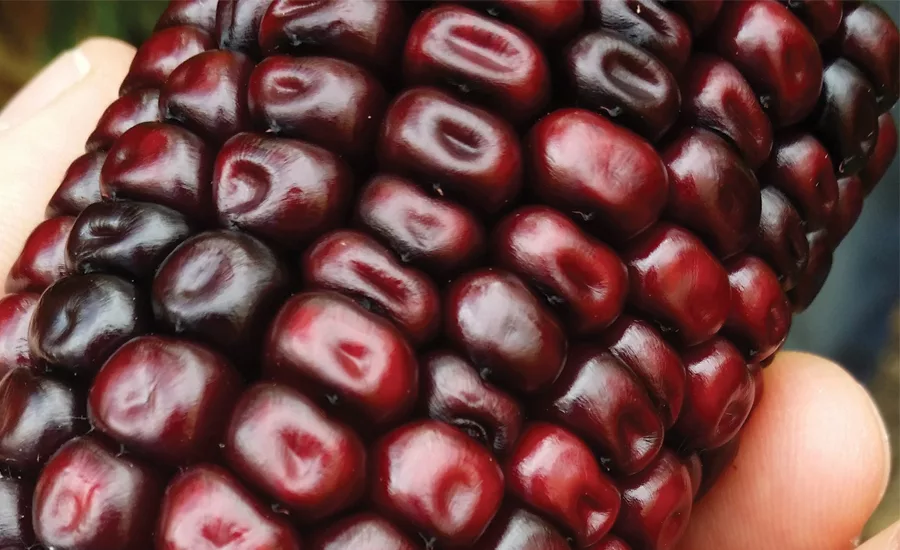
DDW, for example, is launching a new Purple Corn Concentrate that will offer a sustainable, non-GMO option for a new naturally-derived color. The increased interest has also led to more research and development. Techniques like super critical CO2 extraction and alternative processing techniques like ohmic heating are getting more attention, says Ondracek.
Meanwhile, Food Ingredient Solutions has developed natural pigments which function like lakes to make naturals that are suitable for panning and oil soluble systems.
And although stability and cost considerations in the confectionery market make switching entirely to naturals unlikely, these new technologies are helping.
“As new technologies are developed for increasing efficiency in color extraction methods and stability in the final product, we will continue to see an increase in the use of naturally derived colors in confections,” says Ondracek.
Looking for a reprint of this article?
From high-res PDFs to custom plaques, order your copy today!