Arkansas aims to ban candy from SNAP
Governor Sanders submitted a waiver to USDA asking for the ban.
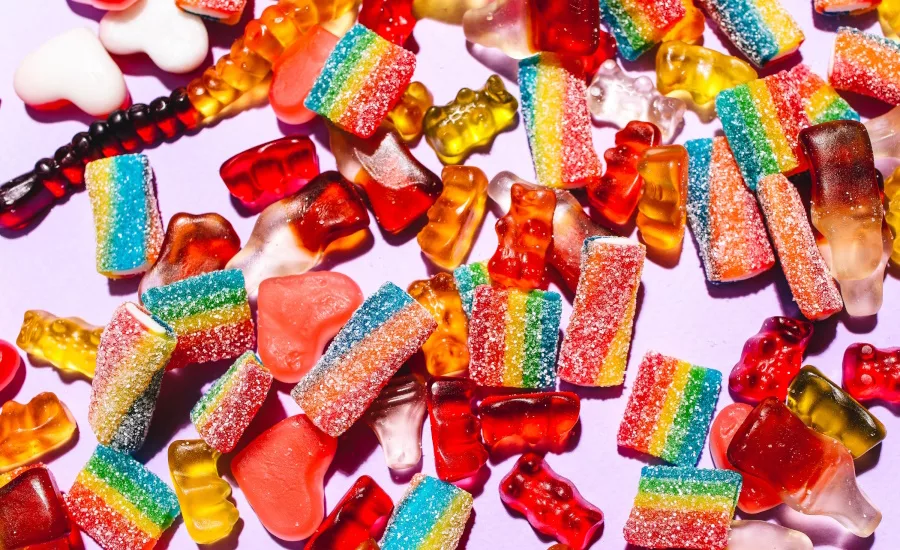
Courtesy of Pexels / Polina Tankilevitch
Arkansas' governor has proposed banning soft drinks and candy from the state's Supplemental Nutrition Assistance Program (SNAP), also referred to as "food stamps."
Governor Sarah Huckabee Sanders submitted a waiver to the U.S. Department of Agriculture (USDA) announcing her plan to ban soft drinks and candy from SNAP. Arkansas is asking for a five-year exclusion for soda, candy, vegetable and fruit drinks with less than 50% natural juice, and other "unhealthy drinks," reports The Wall Street Journal (WSJ). Sports drinks, flavored waters, and flavored seltzers would still be covered by the program.
After the waiver is submitted to the USDA, Arkansas will allow 30 days for public comment, reports AP News.
“President Trump and his administration have put a laser focus on solving America’s chronic disease epidemic and reforming our food stamp program is a great place to start,” says Governor Sanders. “Banning soft drinks and candy from food stamps will remove some of the least-healthy, most-processed foods from the program and encourage low-income Arkansans to eat better. Arkansas leads the nation in common-sense, conservative reforms and I was proud to work with Secretary Rollins to make this move and take a strong first step toward broader changes to our food stamp program.”
“Helping Arkansans improve their health is a top priority for our agency across all programs, and encouraging people to use their SNAP benefits for healthier foods is an important step that we believe will be truly beneficial to the people we serve. This reform will put more nutritious options on the tables of more than 100,000 households across Arkansas who receive SNAP benefits every month. We are eager to implement these changes, and appreciate Gov. Sanders’ leadership and USDA Secretary Rollins’ support as we work to better the health of our entire state,” says Department of Human Services Secretary Kristi Putnam.
Arkansas is not the first to consider this course of action—in early April, Idaho lawmakers passed a bill that proposes banning candy and soda from being purchased using SNAP benefits, says Newsweek. It now heads to Governor Brad Little's desk for signing.
Newsweek also reported that eight other states (10 in total, including Idaho and Arkansas) are considering banning SNAP recipients from buying foods such as candy, soda, and other items that could have high sugar and fat content. The other states include Arizona, Iowa, Missouri, Montana, Tennessee, Texas, Utah, and West Virginia. All ten states have already introduced or are considering bills to limit SNAP benefits.
Currently, in every state, the benefit can be used for "any food or food product intended for human consumption," except alcohol, tobacco and hot foods, including those prepared for immediate consumption. If Arkansas' bill gets passed, however, the state would add rotisserie chicken as an acceptable purchase.
“Our goal is not to hurt any industry but to support and promote healthier lifestyles,” Sanders said in an interview reported in WSJ. “No one is saying you can’t have a Diet Coke or a candy bar. We’re saying you can’t do it with taxpayer money.”
Chris Gindlesperger, SVP of public affairs and communications at National Confectioners Association (NCA), says that this policy approach is misguided and not needed when it comes to candy and chocolate.
"SNAP participants and non-SNAP participants alike understand that chocolate and candy are treats—not meal replacements. In fact, candy purchasing patterns are basically equivalent between SNAP and non-SNAP families—with only about 2% of SNAP purchases being candy. Consumers have a unique mindset when they enjoy chocolate and candy that is not present when interacting with other foods— whether or not they are using SNAP benefits for food purchases," he notes.
There is no single definition of candy, and in fact, definitions vary greatly from state to state, says an industry association. For example, the same granola bar or trail mix could be banned as a SNAP-eligible purchase in Houston, TX, but be eligible across the border in Louisiana. Varying definitions can lead to consumer and retailer confusion.
In addition, arbitrary definitions of candy create purchasing disparities across varying confectionery products, where items like cotton candy and pixie sticks would be SNAP-eligible, while chocolate, breath mints, and gum would not be SNAP-eligible. If retailers are required to scrutinize individual product eligibility and flag each eligible and non-eligible item at their point-of-sale, this will substantially increase compliance challenges for retailers and will decrease the number of eligible SNAP retailers.
The ability to choose items for everyday meals and special occasions permits participants to vary their consumption based on their individual needs and preferences. Broad-based product eligibility also allows participants to easily shop for groceries without confusing limitations on eligible items that could result in products being declined at the register, creating unanticipated charges on the cash portion of the order that participants may be unable to fund out of pocket.
Related: FDA bans use of Red Dye 3 in food
Looking for a reprint of this article?
From high-res PDFs to custom plaques, order your copy today!