Global Organics talks organic cocoa, chocolate ingredients
Consumers are becoming more environmentally conscious and are choosing organic products to support sustainable farming practices.
courtesy of: Global Organics
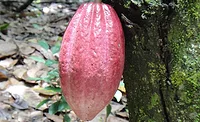
Many people have heard of the "dirty dozen" fruits and vegetables, but what some consumers may not know is that cocoa beans rank among the dirtiest crops, especially if pesticides are used. Opting for organic, sustainably-sourced chocolate ensures not only a treat for the taste buds but also for the conscience, allowing people to indulge in quality without compromising on health or environmental impact.
To learn more, we reached out to Ravi Arora, sales and marketing director, Global Organics, Cambridge, MA.
Liz Parker: What is causing a significant increase in demand for organic chocolate in recent years?
Ravi Arora: Consumers are becoming more environmentally conscious and are choosing organic products to support sustainable farming practices. Conventionally grown cocoa is one of the highest pesticide-using crops in the world. Organic chocolate production prioritizes soil health, biodiversity, and conservation, which aligns with the concerns of those wary of conventional agricultural impacts. Additionally, organic chocolate is seen as a premium product with superior taste and quality ingredients, and consumers are willing to pay a premium for organic varieties that promise a more satisfying taste experience.
LP: There has been a recent change in regulations around use of non-organic colors in organic products. How does this change affect the candy industry?
RA: The regulations of the Final Rule have addressed the national list of allowed and prohibited substances that focus on the use of non-organic colors in organic products, which has significant implications for the candy industry. Previously, synthetic or non-organic colors were allowed in organic products under certain conditions, but the updated regulations have tightened and removed the allowance for such colors. The compliance date for this regulation of the Final Rule was March 15, but the Agricultural Marketing Services is providing a two-year implementation period. Suppliers using the following non-organic colors in their organic certified products will have to source the organic version: black currant juice color, blueberry juice color, carrot juice color, cherry juice color, grape juice color, paprika color, pumpkin juice color, and/or turmeric extract color. Opting for organic fruit and vegetable ingredients in candies not only offers vibrant colors but also provides nutrients as a natural alternative to artificial colors. This shift towards stricter regulations aligns with the growing consumer demand for transparency and authenticity in food products.
LP: What are the different types of organic sweeteners available for candy developers to drive innovation.
RA: Global Organics offers a variety of organic sugars and sweeteners for candy developers that are produced without the use of pesticides and no added preservatives, ensuring a pure and natural taste with just the right amount of sweetness. One option is granulated cane sugars, which come in different forms like golden cane sugar, white refined sugar, demerara sugar, and brown sugar. Granulated cane sugar is commonly used in candy recipes, while brown sugar adds a darker and more robust flavor for caramels. Powdered sugar, also known as confectioners sugar, is useful for reducing stickiness in hard candy and for long-term storage.
Liquid organic sweeteners like brown rice syrup, clarified rice syrup, tapioca syrup, and invert syrup are also commonly used in candy making. Brown rice syrup has a lower viscosity and can contribute to a softer texture in candies. Tapioca syrup provides a chewy and gummy texture, while clarified rice syrup is highly refined and clear, adding a glossy finish without impacting flavor in candies. These three syrups can be used as 1:1 replacements for high fructose corn syrup. These syrups have a lower glycemic index in comparison to corn syrup and have a milder and less distinct flavor compared to corn syrup, allowing them to blend well with different flavors and ingredients without overpowering the taste of the candies. Invert liquid sugar is sweeter than regular sugar and has a higher moisture retaining capacity which helps to keep candies soft and prevents them from becoming overly hard or crystallized. Invert sugar is also a great option to use in bulk production of candy.
Fruit juice concentrates allow for the incorporation of real fruit in confections, which is a growing trend in the industry. Gummies and jellies, in particular, are active segments within the sugar confectionery market. Flavor innovation is seen as a pathway to success in gummy confections, with strawberry and lemon being popular flavors. Overall, candy innovation and flavor innovation are growing, with significant increases in launches across various flavors such as cherry, orange, lemon, grape, raspberry, and watermelon in the United States and Canada.
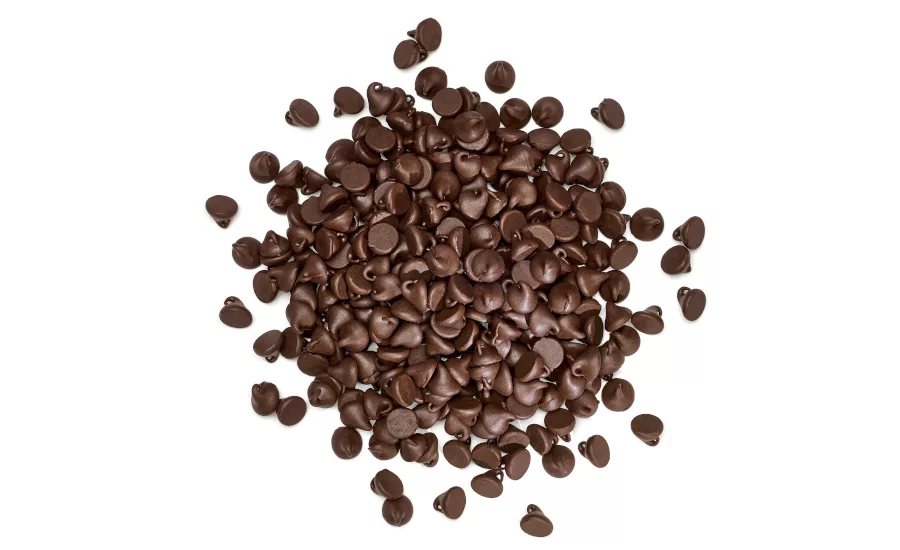
Candy developers and manufacturers can also explore the option of including organic chocolate in their creations to add a rich sweetness. We offer a wide range of organic chocolate ingredients, including chips, chunks, couvertures, melts, and cocoa powder. Additionally, our organic peanut butter chips, made with coconut sugar, are a beloved choice among customers.
LP: The candy industry often faces challenges in terms of sugar content and its impact on health. How do your organic ingredients address these concerns while maintaining the desired taste and indulgence that consumers expect from candy products?
RA: To address concerns about sugar in confectionery products, the candy industry can integrate other organic ingredients like coconut nectar and coconut sugar. These organic sweeteners have a lower glycemic index and offer a unique caramel flavor so candy manufacturers can reduce sugar content while still providing the desired taste. Additionally, agave inulin powder can act as a prebiotic, promoting the growth of beneficial gut bacteria for improved digestion, nutrient absorption, and it reduces the risk of gut-related ailments. The use of agave inulin powder helps confectionery manufacturers decrease sugar content while simultaneously increasing the presence of dietary fiber on the product label.
LP: What are some potential opportunities for candy manufacturers to expand their use of organic ingredients and cater to the growing demand for “better for you” candy options?
RA: One potential opportunity for candy manufacturers is to focus on using real and organic ingredients that provide nutrients and health benefits. For example, combining ginger and cinnamon can create a spiced candy that is not only delicious but also rich in antioxidants, as ginger is known for its anti-inflammatory properties and can help with digestion, all while offering a unique taste experience. Additionally, using low glycemic index sweeteners like coconut nectar and agave can provide gut health benefits and additional fiber, making the candy a beneficial treat for the body and the environment. Another opportunity lies in utilizing organic fruit juice concentrates to create fruity and tropical flavors, addressing the rising concern about artificial colors in food products, especially organic ones. Organic fruit juice concentrates can provide both sweetness and natural coloring to the candy, meeting the demand for healthier and more natural options.
Looking for a reprint of this article?
From high-res PDFs to custom plaques, order your copy today!