Cocoa challenges continue in confectionery industry: Kerry
Cocoa powder prices have almost tripled since 2023.
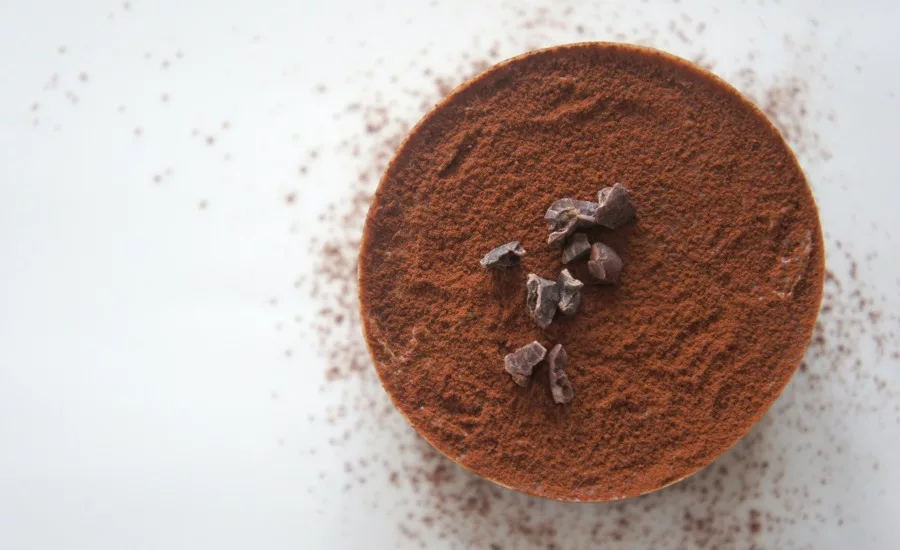
Courtesy of Pexels / Delphine Hourlay
With cocoa prices surging nearly 400% over the past year, Kerry Group is actively helping manufacturers adapt to these evolving pricing and supply chain challenges through product reformulation and solutions. Kerry’s insights highlight both immediate and long-term factors contributing to the cocoa shortage, including adverse weather, climate change, soil degradation, the swollen shoot virus, and rising demand outpacing supply.
Candy Industry Senior Editor Liz Parker Kuhn was able to touch base with Francis De Campos Ferreira, global portfolio director cocoa extracts and chocolate flavors, Kerry, to discuss the cocoa market more.
Liz Parker Kuhn: What are the main challenges facing the cocoa industry right now?
Francis De Campos Ferreira: The cocoa industry is facing several significant challenges, including adverse weather conditions, climate change, soil degradation, and ongoing diseases like the Swollen Shoot Virus and Black Pod Disease, all of which have contributed to a approximately 15% crop deficit for the 2023/2024 season. While cocoa bean prices soared to record highs in late 2024, prices today are still approximately triple what they were in 2023.
Despite these cocoa bean price fluctuations, cocoa powder prices have continued to stay high for the past 18 months, putting pressure on manufacturers to manage costs, quality, and supply chain uncertainties. These challenges are part of a broader industry landscape of rapidly shifting dynamics of consumer preferences, regulatory pressures, and global supply chain strains. Manufacturers are seeking more cost-effective, consistent ways to maintain the rich taste consumers expect while also addressing sustainability goals.
LPK: How much have cocoa raw material costs increased, and what impact does this have on manufacturers?
FDCF: The cost of cocoa raw materials has surged, with cocoa powder prices approximately tripling since 2023. Manufacturers face a difficult decision: absorb the rising costs and reduce their bottom line or pass them on to consumers, potentially impacting sales.
Looking beyond price challenges, manufacturers are also facing supply challenges with certain types of cocoa powder facing availability shortages due to the fall of cocoa bean production in the 2023/2024 crop season. Additionally, sustainability concerns are also growing, as cocoa powder is a carbon-intensive food ingredient. This creates pressure for companies aiming to meet environmental commitments without compromising product quality. As a result, manufacturers are turning to innovative alternatives that reduce cocoa reliance while maintaining taste, texture, or indulgence.
LPK: What strategies are manufacturers using to manage challenges related to rising costs and supply uncertainties in cocoa production, and how can Kerry’s solutions help navigate these obstacles?
FDCF: In response to the rising costs and supply uncertainties, many manufacturers are turning to reformulation strategies, including:
- Simply reducing cocoa content which can cause them to lose signature chocolate notes.
- Exploring cocoa alternative ingredients such as carob, though this can lead to inconsistencies in taste.
- Identifying new innovations that reduce cocoa powder usage while preserving the product’s iconic cocoa taste.
With Kerry’s solutions, brands can future-proof their products, and strike a balance between cost management, sustainability and taste consistency.
Building on our over 100 years of cocoa extraction expertise, Kerry have developed a range of innovative solutions, including cocoa boosters, that help manufacturers reduce cocoa use by up to 40% to deliver significant cost savings while maintaining the rich, cocoa taste consumers expect. Additionally, these solutions can lower CO2 emissions by up to 20% compared to traditional cocoa powder, delivering a more sustainable offering.
Kerry’s deep understanding of cocoa’s complex flavor profile, from its signature roasted, bitter, and dark fruit notes to the nutty, vanillic, and dairy notes (to name a few!), enables us to create solutions that preserve and elevate the sensory experience, regardless the application or regional preferences.
As a trusted partner, we support brands across bakery, snacks and dairy beverages in fine-tuning their formulations without sacrificing the essential taste and quality that define their products. By integrating Kerry’s cocoa boosters, brands can navigate market fluctuations, adapt to supply chain challenges, and continue delivering exceptional, sustainable chocolate experiences for their consumers.
LPK: What other options exist for reducing cocoa powder in formulations?
FDCF: While alternatives such as roasted cereal flours can deliver certain aspects of the cocoa experience, they fail to replicate the full taste and depth that cocoa provides. As an example, certain alternatives lack the roasted notes, and flavor complexities associated with cocoa, leading to products that don’t meet consumer expectations.
[Kerry's cocoa boosters] are specifically designed to deliver the full spectrum of cocoa’s sensory attributes. Even in reduced cocoa applications, these boosters preserve the signature characteristics of cocoa, allowing manufacturers to create products that stay true to their brand and satisfy consumer demand for quality.
By combining our scientific and sensory expertise of cocoa taste with our taste technology platforms, such as fermentation & extraction, we provide viable solutions to reduce reliance on cocoa while maintaining uncompromised taste and indulgence in every bite.
LPK: What is the future outlook for the cocoa market, and how can manufacturers prepare for it?
FDCF: Despite the recent more positive ICCO forecast for the 2024/25 crop season, cocoa prices are unlikely to return to pre-2023 levels. The ongoing impact of climate change, rising global demand, and persistent supply chain constraints will continue to drive market volatility. Additionally, cocoa processing volumes in major regions have reached their lowest levels since 2020, adding to the financial pressures on manufacturers.
To remain competitive, manufacturers must adapt to these shifting market dynamics. Kerry’s cocoa boosters provide a long-term solution by ensuring consistent taste, cost efficiency, and sustainability. By leveraging these innovations, brands can have the high-quality chocolate taste experience consumers expect, even in what will continue being a volatile market.
Related: Mitigating the impact of limited cocoa availability
Looking for a reprint of this article?
From high-res PDFs to custom plaques, order your copy today!





.webp?height=200&t=1676916866&width=200 "AWAKE Chocolate begins to see rapid growth results")