Nestlé develops new cocoa processing method
The technique uses more of the pod to support sustainable chocolate-making.
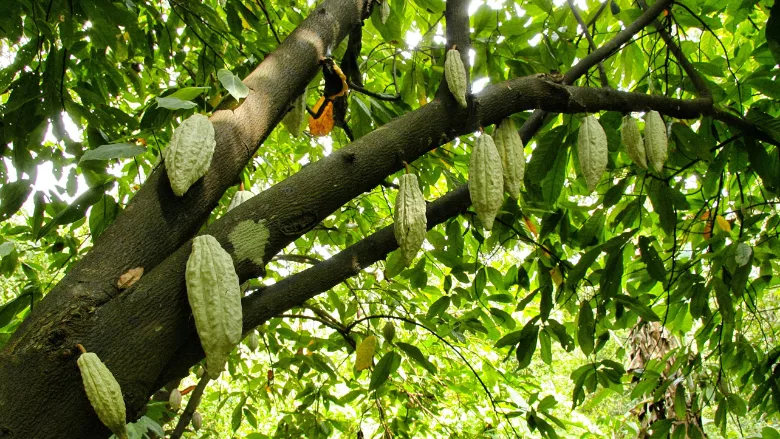
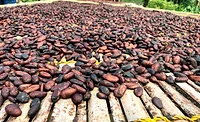
Image credit: wirestock via Freepik
Nestlé has developed a patented technique that incorporates up to 30% more of the cocoa fruit in chocolate production, while maintaining taste quality. The method is designed to reduce waste and help cocoa farmers extract greater yield and value from each harvest.
Conventional chocolate production uses only the cocoa beans extracted from inside the pod. The beans are fermented, dried, roasted, and ground into liquor for chocolate making. However, other components of the cocoa fruit—such as the pulp, placenta, and pod husk—are typically discarded.
Nestlé’s R&D team has created a process that utilizes all parts of the cocoa pod. The contents are collected as a wet mass, which ferments naturally to develop chocolate flavor. This mass is then ground, roasted, and dried into chocolate flakes that can be used in manufacturing.
“With climate change increasingly affecting cocoa yields around the world, we are exploring innovative solutions that could help cocoa farmers maximize the potential of their harvests,” said Louise Barrett, head of the Nestlé Research and Development Center for Confectionery in York, England. “This technique utilizes more of the fruit, while enabling us to provide chocolate that meets our quality standards. While still at the pilot stage, we are assessing how to scale the innovation.”
The method may also improve efficiency for farmers. By streamlining cocoa extraction, it could free up time for agricultural practices such as pruning, which has been shown to support higher yields.
Conventional chocolate production uses only the cocoa beans extracted from inside the pod. The beans are fermented, dried, roasted, and ground into liquor for chocolate making. However, other components of the cocoa fruit—such as the pulp, placenta, and pod husk—are typically discarded.
Nestlé’s R&D team has created a process that utilizes all parts of the cocoa pod. The contents are collected as a wet mass, which ferments naturally to develop chocolate flavor. This mass is then ground, roasted, and dried into chocolate flakes that can be used in manufacturing.
“With climate change increasingly affecting cocoa yields around the world, we are exploring innovative solutions that could help cocoa farmers maximize the potential of their harvests,” said Louise Barrett, head of the Nestlé Research and Development Center for Confectionery in York, England. “This technique utilizes more of the fruit, while enabling us to provide chocolate that meets our quality standards. While still at the pilot stage, we are assessing how to scale the innovation.”
The method may also improve efficiency for farmers. By streamlining cocoa extraction, it could free up time for agricultural practices such as pruning, which has been shown to support higher yields.
Nestlé SA is on the current Candy Industry “Global Top 100 Candy Companies” list. Click here to view the current “Global Top 100” rankings.
Looking for a reprint of this article?
From high-res PDFs to custom plaques, order your copy today!