search
cart
facebook twitter linkedin youtube
  • Sign In
  • Create Account
  • Sign Out
  • My Account
  • HOME
  • NEWS
  • PRODUCTS
    • CHOCOLATE
    • NEW PRODUCTS
    • GUMS & MINTS
    • GUMMIES & JELLIES
    • HARD CANDY
    • LICORICE
    • NOVELTY CANDY
    • CANNABIS CANDY
    • FRUIT & NUT CANDY
  • INGREDIENTS
    • SWEETENERS
    • FLAVORS & COLORS
    • CHOCOLATE INGREDIENTS
    • FRUITS & NUTS
    • NUTRITIONAL
    • FUNCTIONAL
  • EQUIPMENT
    • PROCESSING
    • PACKAGING
  • EXCLUSIVES
    • GLOBAL TOP 100
      • SUBMIT YOUR COMPANY
    • SWEET 60
    • STATE OF THE INDUSTRY
    • RETAILERS
    • MANUFACTURERS
  • TRENDS
    • SUSTAINABILITY
    • BETTER-FOR-YOU
    • SUGAR-FREE
    • VEGAN
  • DIRECTORY
  • MORE
    • BLOG
    • ENEWSLETTER
    • VIDEOS
    • PODCASTS
    • STORE
    • WEBINARS
    • CONTACT
      • CONNECT
    • ADVERTISE
    • EVENTS
      • Sweets & Snacks Expo
  • Back to SFWB
Candy IndustryCandy Industry TrendsCandy Industry News

EUDR delay set to bring changes to cocoa industry

An est. 60–70% of global cocoa production crosses EU customs borders.
By Liz Parker Kuhn
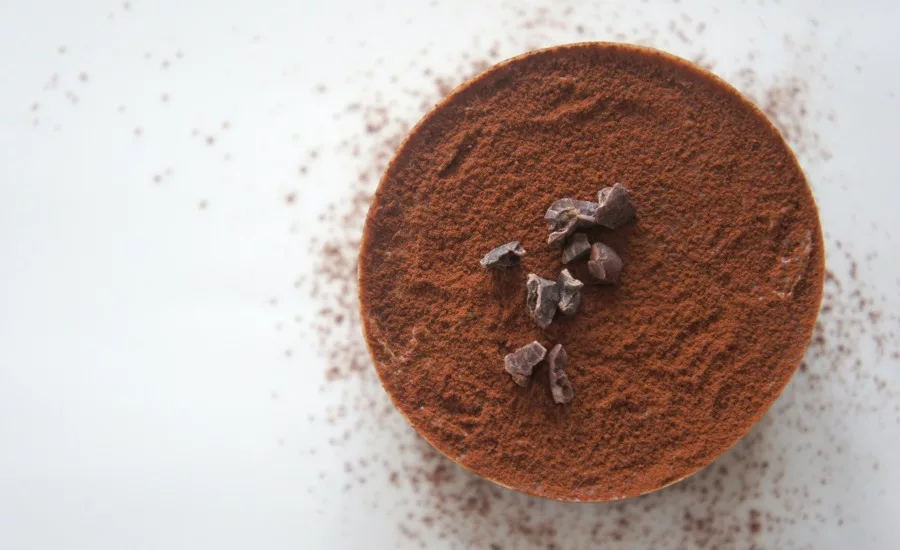
cocoa generic

Courtesy of Pexels / Delphine Hourlay

October 22, 2024

The EU Deforestation Regulation (EUDR) is set to bring major changes to the cocoa industry, but the 12-month delay has left many with significant financial losses. 

To comply with new regulations, many companies purchased compliant raw materials at a premium with the intent of raising prices for consumers. Now, with regulation delayed, consumers are unwilling to pay inflated prices for cocoa and corporations are being forced to absorb the premium costs.

Candy Industry Senior Editor Liz Parker Kuhn recently connected with Steve Wateridge, head of research at Expana, who spoke to us about the greater implications on the cocoa market due to the EUDR delay.


Liz Parker Kuhn: What is the EU Deforestation Regulation, and how will it bring changes to the cocoa industry?

Steve Wateridge: The European Union is a major consumer of commodities that are closely associated with deforestation, leading the European Commission to establish new regulations to minimize forest degradation. For cocoa specifically, the EUDR will affect the industry through trade flows, compliance capability, and ICE (intercontinental exchange) deliverability. 

Implications for each commodity depend on trade flows to the EU. With cocoa, it’s estimated that 60–70% of global cocoa production crosses EU customs borders. This means that non-compliant cocoa will have to find a new home in the remaining share of the market (30%)—creating the potential for a two-tiered market of compliant versus non-compliant cocoa. 

In terms of compliance capability, cocoa has a higher level of data collection and traceability than other commodities, however, current processes still fall short of EUDR standards. The new regulation requires direct traceability to specific farm plots with liability on the operator to ensure proper EUDR data measuring tools.

Lastly, ICE deliverability and the EUDR present challenges as they relate to the timing and physical delivery of cocoa. This issue remains under review with the European Commission and the member states who are tasked with enforcing the EUDR regulations.


LPK: Why has there been a 12-month delay so far?

SW: The 12-month delay applies to all seven commodities covered including cocoa. Although a lot of work has been done in making sufficient cocoa compliant to meet EU demand, the European Cocoa Association warned the EU last month that there was still insufficient compliant cocoa in the world and so the sector faced “critical failure” if the EUDR legislation was introduced.


LPK: What are the greater implications on the cocoa market due to this delay?

SW: If the EUDR had been implemented, compliant cocoa would’ve had to be rationed in order to curb demand. This would have most likely led to a significant premium for EUDR-compliant cocoa, and that pricing would have been passed on to consumers.


LPK: Will consumers ultimately be willing to pay inflated prices for cocoa? Does this mean corporations will be forced to absorb the costs?

SW: Most likely not. At the current margin, they are likely to switch to alternative snack foods that offer better value for their money. Yes, corporations will be forced to absorb the costs. Alternatively, they will have to accept lower sales volumes or change recipes to include less cocoa (i.e. by using more cocoa butter substitutes). All of these are already happening due to cocoa prices hitting record highs this year, which had nothing to do with EUDR, but rather supply concerns and adverse weather in key cocoa-producing regions. 


Related: Hershey signs agreement with cocoa cooperatives

KEYWORDS: cocoa

Share This Story

Looking for a reprint of this article?
From high-res PDFs to custom plaques, order your copy today!

Liz200

Liz Parker Kuhn is the senior editor of Candy Industry and Snack Food & Wholesale Bakery, and has worked at BNP Media since 2012. She has written for CBS Detroit as well as for her own blogs. She earned a Bachelor of Arts in Creative Writing from the University of Michigan. Liz can be contacted at (248) 839-7156 or at parkerkuhne@bnpmedia.com.

Recommended Content

JOIN TODAY
To unlock your recommendations.

Already have an account? Sign In

  • cookies stacked

    The top 50 snack and bakery companies of 2024

    The top-selling companies among baking and snack players...
    Snack Products
    By: Jenni Spinner and Liz Parker Kuhn
  • IHOP new menu inspired by "IF" movie

    Most popular new products: May 2024

    Products range from a Reese’s Puffs collaboration with...
    Snack Products
    By: Liz Parker Kuhn
  • state of the industry bakery: 2024

    State of the Industry 2024: Bakers continue to show resilience and creativity

    For the past several years, the baking industry has faced...
    Bakery Products


More Videos


Get Connected!

FACEBOOK x YOUTUBE LINKEDIN

Connect with us on Twitter, Facebook, YouTube, or LinkedIn to receive updates and to network with other industry professionals just like you!


Related Articles

  • Feastables, Tony's Open Chain partner to set cocoa industry standard

    Feastables, Tony's Open Chain partner to set cocoa industry standard

    See More
  • McKee Foods’ set to bring back Drake’s snack cakes

    See More
  • Barry Callebaut cocoa sustainability

    Swiss cocoa industry commits to sustainable cocoa

    See More

Related Products

See More Products
  • The Art of the Chocolatier: From Classic Confections to Sensational Showpieces

  • Organic Production and Food Quality: A Down to Earth Analysis

  • An Integrated Approach to New Food Product Development

See More Products

Related Directories

  • World Cocoa Foundation (WCF)

    The World Cocoa Foundation (WCF) represents over 80% of the global cocoa sector, bringing together companies, farmers, governments and partners to build a sustainable and accessible cocoa supply. By fostering collaboration across the value chain, WCF helps strengthen resilience, improve livelihoods and build trust from farming communities to global brands.
×

Snack on the latest trends, news, and developments!

Stay in the know with Snack Food & Wholesale Bakery, the premier source of information for snack, bakery, and confectionery professionals.

JOIN TODAY!
  • RESOURCES
    • Advertise
    • Contact Us
    • Directories
    • Store
    • Want More
  • SIGN UP TODAY
    • Create Account
    • eMagazine
    • Newsletter
    • Customer Service
    • Manage Preferences
  • SERVICES
    • Marketing Services
    • Reprints
    • Market Research
    • List Rental
    • Survey/Respondent Access
  • STAY CONNECTED
    • LinkedIn
    • Facebook
    • YouTube
    • X (Twitter)
  • PRIVACY
    • PRIVACY POLICY
    • TERMS & CONDITIONS
    • DO NOT SELL MY PERSONAL INFORMATION
    • PRIVACY REQUEST
    • ACCESSIBILITY

Copyright ©2026. All Rights Reserved BNP Media, Inc. and BNP Media II, LLC.

Design, CMS, Hosting & Web Development :: ePublishing