No-added-sugar confections show sweet possibilities
Maltitol, isomalt, erythritol, and sorbitol can replicate sugar's key functions.
Courtesy of Cargill
In the world of confections, sugar and corn syrup aren’t just sweeteners. They define texture, preserve shelf life, and shape the eating experience. Yet sugar—sweet as it is—remains the ingredient many consumers are most eager to avoid. For candymakers, this presents a challenge and an opportunity: recreate the classic candy experience without the very ingredients that built it. Fortunately, with the right tools and techniques, sweet success is still within reach.
More than sweet
In most confections, sugar and full-calorie syrups make up the bulk of the product’s weight. Beyond sweetness, they serve as binders, humectants and crystallization agents. Removing them sends ripple effects across stability, texture, and processing.
That doesn’t mean it can’t be done, but success starts with clear goals. Are you cutting calories? Lowering grams of added sugar? Targeting a “no-added-sugar” front-of-pack claim? These answers help determine the right ingredient strategy. Merely reducing calories or sugar is an easier proposition, with a wider array of sweetening solutions. But no-sugar-added confections are possible, too. They just require a little more experimentation.
Tools of the trade
Whatever the sugar-reduction goal, polyols often play a major role. Structurally similar to traditional sugars, options like maltitol, isomalt, erythritol, and sorbitol can replicate many of sugar’s key functions. They add bulk, contribute sweetness, and can create concentrated syrups or crystallize like sugar and other full calorie sweeteners, all with fewer calories and no added sugars.
But no single polyol can do it all. Traditional candy formulas typically blend syrups and sugars to achieve desired textures and manage processing behavior. Replacing those blends with a single polyol is likely a recipe for disaster.
That’s why maltitol syrup, a combination of maltitol and sorbitol, is a common starting point. With about 70% of the sweetness and half the calories of sugar, maltitol syrup provides excellent solubility and a texture profile that closely mimics traditional syrups. From there, other polyols and bulking agents can be layered in, as formulators fine-tune texture, crystallization rate and processing requirements.
Isomalt brings another set of benefits. Known for its very low hygroscopicity, it’s a smart solution for reducing stickiness. It also has great processing stability in both acid and heat—something traditional sugars and full-calorie syrups lack.
Erythritol, the only zero-calorie polyol, delivers a clean, sweet taste and a noticeable cooling effect that pairs well with mint flavors. However, its tendency to crystallize quickly can be a double-edged sword: it’s great for certain textures and problematic for others. It also offers good digestive tolerance compared to other polyols, a benefit in indulgent categories like confections.
Allulose (a rare sugar, not a polyol) has a place, too. With sucrose-like sweetness and solubility, it can serve as a near drop-in replacement in some applications. And unlike polyols, allulose caramelizes under heat, adding rich, brown notes that work beautifully in butterscotch flavors or layered candy bars.
Processing considerations
As already noted, switching from sugar to alternatives can bring benefits. Traditional candy production often involves high temperatures and low pH, conditions under which sucrose can invert. In contrast, polyols like maltitol and isomalt are far more stable under these same conditions, a real processing plus.
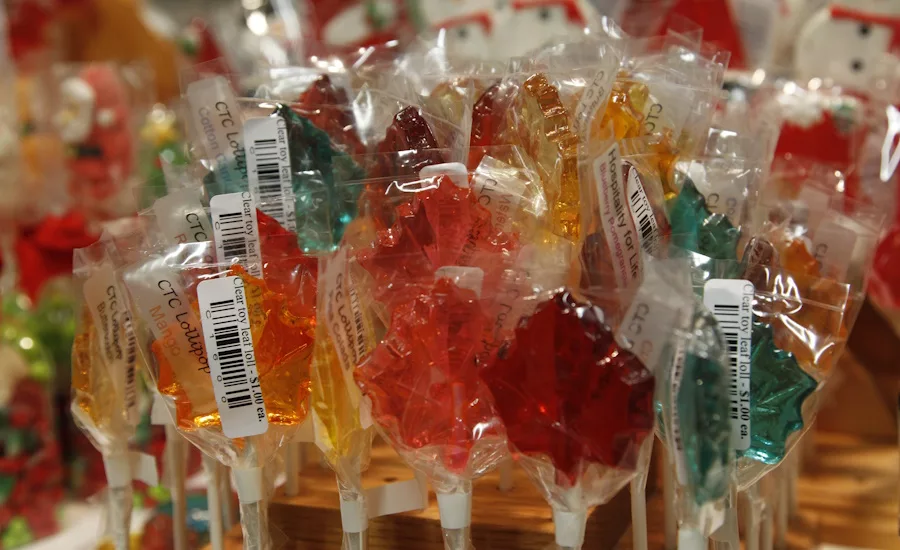
Crystallization behavior is another key factor. Depending on the confection type, it can either enhance or hinder product performance. Erythritol’s rapid crystallization, for example, could be harnessed to add structure in hard chew candies. Alternatively, isomalt’s low crystallization rate helps create exceptionally clear, glassy hard candies with minimal graining over time.
However, decades of formulation experience with sugar and corn syrup mean that reducing or removing them introduces a learning curve. Achieving the right sweetness, texture, stability and shelf life with alternative sweeteners will require more trial and error.
This is especially true for products with long shelf lives and high-moisture formats like gummies or soft chews, where water activity and crystallization are especially important. In these applications, replacing sugar means reconstructing that balance with a different set of tools to deliver consistent performance from day one through month nine.
Rethinking sweet
Whether it’s a hard candy or a chewy toffee, perhaps the biggest sugar-reduction trap is trying to exactly replicate the full-sugar original. Consumers drawn to less sugar may also be open to a candy experience that’s less sweet but more complex. Bold sour notes, layered textures, intriguing inclusions, and unexpected flavors can make a no-sugar-added candy shine on its own terms.
In this context, polyols and allulose become tools for innovation. Their lower sweetness levels and crystallization differences give formulators room to experiment, opening the door for unique sensory experiences that truly delight.
No-added-sugar doesn't need to mean no fun. With the right ingredients and formulation know-how, brands can deliver standout sensory experiences—even without traditional sugars and syrups—and in doing so, they’ll help shape a new and tantalizing future for candy.
Related: Cargill aims for more sustainable cocoa supply chain
Looking for a reprint of this article?
From high-res PDFs to custom plaques, order your copy today!