Candy sales projected to grow by $27.8B
An NCA consumer survey highlights growing interest in the non-chocolate category.
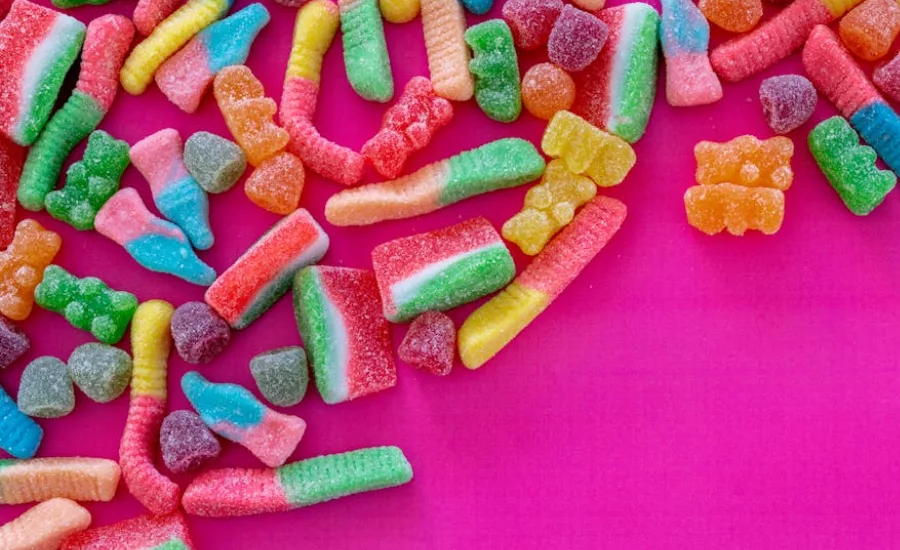
The National Confectioners Association (NCA) has released its Getting to Know Candy Consumers 2025 report, revealing that non-chocolate candy generated $12.9 billion in measured channel sales over the past year, accounting for one-third of total U.S. confectionery sales. The overall market is projected to grow to $27.8 billion across all channels by 2030.
Currently, Gen X leads in candy unit sales, but younger generations are driving growth and reshaping the category. Non-chocolate candy, the second-largest segment in the confectionery industry, has steadily gained share since 2020, reflecting consumer interest in diverse formats and flavors.
“Innovation is at the heart of the confectionery industry, which is especially clear with non-chocolate candy,” says John Downs, president and CEO of NCA. “As each generation finds ways to put their own stamp on the sub-category, confectionery manufacturers balance tradition with forward thinking. Whether through new flavors, fresh formats, or original experiences, these companies are delighting consumers of every age. When it comes to candy, there’s something for everyone.”
Key findings from the report include:
- Demographic shifts: Millennials are expected to surpass Gen X as the leading buyers of non-chocolate candy within two years. Gen Z, while representing a smaller consumer base, increased its candy spending by 47% year-over-year.
- Format preferences: Gummy and chewy candies are the most popular across all age groups. Hard candy, lollipops, and licorice complete the top five non-chocolate varieties.
- Flavor trends: Gen Z and Millennials show interest in sour, spicy, and “mystery” flavors, while fruity profiles remain widely preferred. Texture innovation—such as freeze-dried and liquid-filled formats—is also gaining traction.
The report also notes that U.S. consumers typically enjoy chocolate and candy 2–3 times per week, averaging 40 calories and about one teaspoon of added sugar per day. Candy is viewed as an occasional treat, not a meal replacement or staple food.
The NCA survey was conducted online from Aug. 8–13, 2025, with a national sample of 1,500 consumers aged 18–75. The research was sponsored by Candy Dynamics and The Allan Sullivan Company.
Looking for a reprint of this article?
From high-res PDFs to custom plaques, order your copy today!