California Natural Color aims to replace Red Dye No. 3
The company offers clean-label alternatives to artificial dyes.
The food and beverage industry is experiencing a significant transformation driven by increasing consumer demand for clean labels and natural ingredients. This shift, coupled with recent regulatory actions, has turned the spotlight on replacements for synthetic colors. Specifically, the nationwide ban on Red Dye No. 3 by the FDA—effective January 15, 2027 for food products, California's pioneering ban—and West Virginia’s ban on food dyes in the school nutrition program that took effect August 1, present a critical challenge for food and beverage manufacturers.
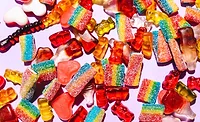
Red Dye No. 3, also known as erythrosine or FD&C Red No. 3, has reportedly long been a staple for achieving vibrant, pink hues in a wide array of products, from sprinkles and frostings to cake mixes, baked goods, jelly beans, and more. Its removal necessitates a careful reformulation process, as simply swapping out the synthetic dye for a natural alternative isn’t straightforward, nor typically a 1:1 replacement scenario, says California Natural Color. Formulators continue to face several key challenges like maintaining color vibrancy and stability during processing, addressing potential flavor impacts, ensuring cost-effectiveness and scalability, and other technical hurdles.
“At California Natural Color, we understand the urgency and complexities involved when transitioning away from Red Dye No. 3, and our team of experts is here to support reformulation efforts that meet both regulatory requirements and deliver finished goods that meet consumer expectations,” says Dana Osborn, marketing manager, California Natural Color. “Our liquid and crystal colors are made from fruits, vegetables and other plant-based sources and are specifically designed to tackle the challenges of replacing synthetic dyes like Red Dye No. 3. This offers manufacturers a pathway to clean label formulations without compromising on visual appeal or product quality.”
California Natural Color products reportedly deliver bright, stable hues derived from natural sources, helping manufacturers achieve a clean label with both liquid and crystal formats available. Its team of color experts and natural colors aim to leverage the inherent properties of nature's palette to create natural color solutions that perform reliably across diverse food and beverage matrices.
According to the company, advantage of its crystal color replacement options for Red Dye No. 3 include:
- Zero calories in use
- High color concentration
- Fast solubility
- Stable in a variety of applications
- Clean label, sourced from plant sources
- Extended shelf life, 2-5 years
"The impending Red Dye No. 3 ban is a pivotal moment for the food and beverage industry," adds Osborn. "California Natural Color solutions, such as our Purple Sweet Potato, offer manufacturers a clear path forward, delivering the vivid, stable pink and red hues consumers expect from natural, clean label sources. We're not just replacing a synthetic dye, we're enabling innovation."
“Imagine a strawberry-flavored smoothie, previously colored with Red Dye No. 3, now boasting an equally appealing and stable pink hue from a natural source such as California Natural Color’s Pure Red Carrot,” said Jay Howard, color technology manager, California Natural Color. “These are the transformations our team is supporting as we work closely with manufacturers, empowering them to not only meet regulatory demands but also find reformulation strategies that ensure consumer expectations are met in the long-term when using natural colors for clean-label products. This may mean our team recommends a process change, such as adding the color after the heat process.”
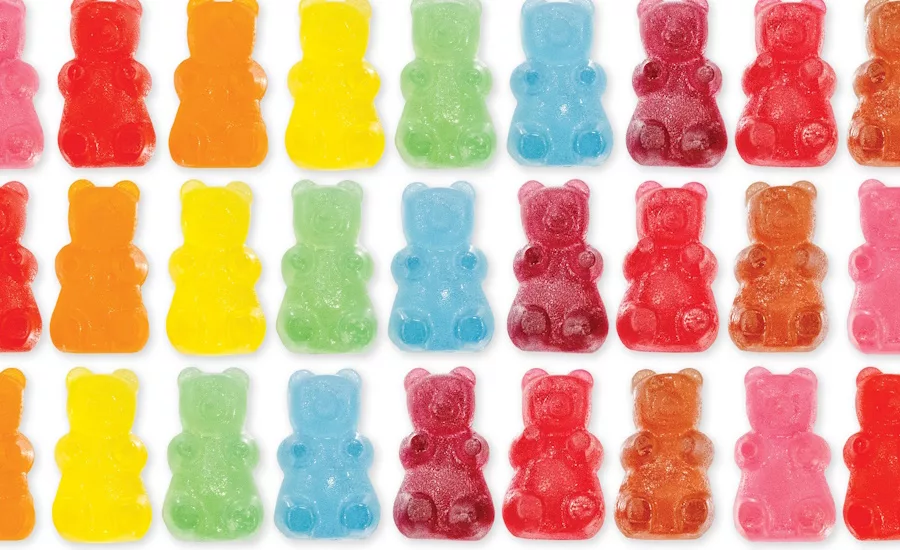
Another application under scrutiny is confectionery products such as gummies. “We offer several color solutions derived from purple sweet potato, carrot, radish, and grape, and can custom color match to help confectioners deliver beautiful pink shades,” adds Howard. “We’re eager to learn more about your current color challenge and collaborating together to create a new generation of products free from Red Dye No. 3.”
To learn more about California Natural Color solutions and how it can support product innovation and reformulation needs, click here.
Looking for a reprint of this article?
From high-res PDFs to custom plaques, order your copy today!