Casa Chocolates keeps product labeling in-house
The brand considered time savings, cost when looking for a new packaging solution.
Small-batch producers are using packaging as a storytelling and sales tool. Casa Chocolates, San Antonio-based retailer and wholesaler of small-batch, handmade, bean-to-bar fine chocolates, upgraded its labeling and packaging equipment to rethink how it introduces new products; a trend particularly relevant for small-batch bakers, chocolatiers and dessert companies with seasonal offerings, short runs, and retail sales.
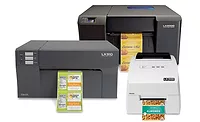
To bring greater flexibility to operations, and help cut cost and waste, the chocolate maker brought its product labeling in-store with two Epson ColorWorks CW-C6000A color label printers equipped with automatic cutters, which now run daily as part of the production workflow. The company now manages everything from production to packaging in-house, aiming to better complement its artisanal products and handcrafted approach.
To learn more about the chocolatier's approach, we reached out to Derik Swee, co-owner, Casa Chocolates.
Liz Parker Kuhn: Can you please tell me a bit about Casa Chocolates?
Derik Swee: Casa Chocolates is a bean-to-bar chocolate shop. The shop is a San Antonio-based retailer and wholesaler of small-batch, handmade fine dark and milk chocolate and specialty bars. We source beans from around the world—from Uganda to the Dominican Republic—and produce specialty chocolate bars from those beans. We do everything in-house—from the roasting, deshelling, and de-husking to produce cacao nibs, to mélange through to finished product and packaging. Our chocolate is single origin, fair trade, ethically sourced, [made from] organically grown beans, and has no additives, no preservatives and no added flavorings. It's just pure fine-flavored chocolate. People appreciate the simpleness of it.
LPK: When did the business start, and what flavors of chocolates do you sell?
DS: Co-owner Emily Roberts and I purchased Casa Chocolates from the founder and previous owner Brian Mikiten in December 2025. He started the business out of his home with a passion for chocolate. The business grew beyond the capacity of his home as a result of the quality chocolate he produced. We are continuing his legacy by creating small-batch chocolate bars made entirely in shop. We focus on the single origin concept to bring out the flavors of regional beans. One such specialty bar is the Mexican Hot Chocolate, which is a favorite chocolate here in San Antonio. The chocolate bar contains cinnamon and cayenne in the milk chocolate from the Ugandan cacao bean. This brings a balanced profile of sweet and spice to the palate which many enjoy.
LPK: What are some of your most popular products?
DS: The Mexican Hot Chocolate Bar is the most popular selling product we have. It sells twice as many as the next closest bar. The Dominican Republic bar and the Uganda bar are the next two top selling bars. They are both 75% dark chocolate and each have their own unique flavor profiles that seem to resonate with people.
LPK: You’re a graduate of The Culinary Institute of America. When did you know you wanted to start a chocolate company?
DS: I spent 25 years in the Army in the medical field. When I retired, I wanted to do something new and challenging but still find a way to help and serve people. I found that I liked baking and making pastries which people seemed to enjoy. With that in mind, I had an idea of a bakery or coffee shop as something I could do post-retirement which is when I applied for the Baking and Pastry Arts program at The Culinary Institute of America here at the campus in San Antonio. During my education, the lessons on chocolate grabbed my attention and I really enjoyed working on it. I found a chocolate shop that made amazing chocolate (Casa Chocolates) and after I graduated, started working there. When the opportunity presented itself to purchase the shop, I jumped at the chance. [The] rest is history.
LPK: How are artisan chocolatiers like yourself using packaging to compete with big brands?
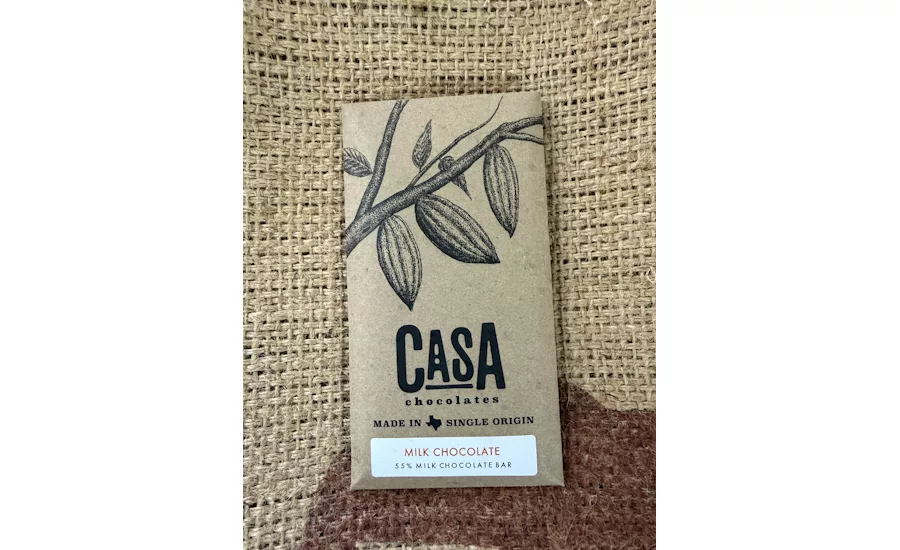
DS: When compared to big chocolate companies, we focus less on scale and distribution. We’re not trying to look like a big brand. We focus on craft and variation, and our packaging aesthetic is simple by design. Our packaging reflects our brand which is simple with pure ingredients.
LPK: How did you upgrade your labeling and packaging equipment?
DS: The founder and previous owner reached out to label partner Kenco Label, who recommended two Epson ColorWorks CW-C6000A color label printers equipped with automatic cutters. It was Brian and his team who decided to bring labeling in-house with ColorWorks. The two ColorWorks in-store printers now run daily as part of the production workflow.
LPK: Why did you decide to bring your product labeling in-store?
DS: Casa Chocolates previously outsourced its labels. The founder and previous owner Brian and his team had experienced issues with print quality, label adhesion, and minimum order quantities that led to unused labels and wasted funds. The team needed it to be possible to produce small batches of chocolate, test new products, and even change ingredients without going to a commercial printer for new labels. Flexibility, time savings and cost were [the] most important considerations when they were looking for a new labeling solution.
We’re constantly experimenting with new ingredients and seasonal recipes, so we need to be able to update barcodes, add expiration dates, and print exactly the labels we need for each batch. If we update a recipe or launch a new bar, which we do often, we need to be able to adjust the label immediately. We need flexibility to be creative without needing to order hundreds or thousands of labels that we might never use.
LPK: How does Casa Chocolates manage production to packaging in-house?
DS: Our production is completely in-house, from roasting the beans to the final steps of packaging and labeling of the chocolate bars. With the Epson ColorWorks color label printers, we have the freedom to adjust the labels based on the product we made allowing us to better manage our process. This saves time, money and resources because we are able to adapt quickly.
LPK: How does this complement its artisanal products and handcrafted approach?
DS: The Epson ColorWorks label printers complement our brand because they allow us to control the narrative of what we present. We strive to uphold a level of excellence that separates us from the rest of the market. Our products are crafted using only ethically and organically sourced ingredients while our equipment is carefully selected to prioritize quality, efficiency, and sustainability, ensuring every detail from formulation to packaging produces the highest standard.
LPK: What’s new for Casa Chocolates for the rest of 2026—any new innovations or products coming out?
DS: Ultimately, we are looking forward to continuing the Casa Chocolates tradition while expanding our product line. The focus remains on natural ingredients and simple packaging. As we expand beyond bars to offer truffles, fudge, bonbons, peanut butter cups, and other chocolate sweets, we’re exploring ways to possibly incorporate more color and personality to bring new offerings to life in a creative yet elegant way.
Related: Bühler launches innovations, upgrade to its food portfolio
Looking for a reprint of this article?
From high-res PDFs to custom plaques, order your copy today!