Hard candy evolves beyond traditional sweetness
Today's consumers seek sensory experiences and BFY products.
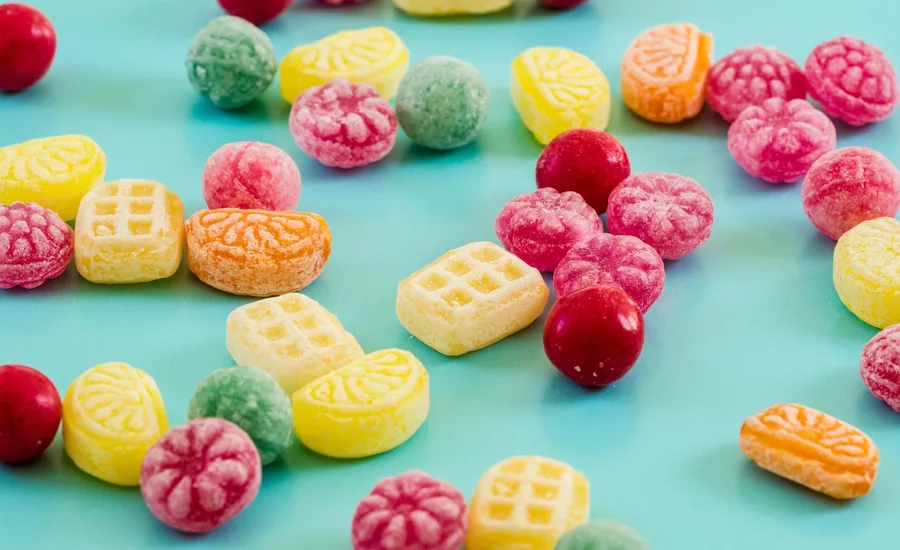
The hard candy aisle isn’t what it used to be. Once defined by simple, sugary treats in classic flavors, the hard candy category is undergoing a significant transformation. Today’s consumers expect more than sweetness; they’re seeking emotional connection, immersive sensory experiences, wellness cues, and products that feel relevant within their social circles.
Another emerging factor in hard candy's growth is the rise of GLP-1 medications for weight management and diabetes. Many consumers taking these medications are reaching for hard candy to help counteract side effects like dry mouth or nausea, or simply to enjoy a fun, flavorful treat with minimal calories. As GLP-1 use expands, hard candy is increasingly seen as a permissible, low-calorie way to satisfy cravings and add a little joy to daily routines. These shifting expectations are fueling a new era of innovation, as brands explore bold flavors, novel textures, natural colors and better-for-you claims to engage a new generation of candy lovers.
Recent research from Mintel and Innova Market Insights underscores this shift, highlighting that experiential, fun and shareable moments are now driving the non-chocolate confectionery category and influencing innovation in flavor, texture, health and nostalgia. 1, 2
Indulgence reimagined: wellness and permissible treats
Indulgence remains at the heart of candy, but what it means to treat yourself is evolving. This shift has fueled a boom in healthier options, prompting brands to offer reduced-sugar, naturally sweetened, functional, and portion-controlled treats. 1
In the U.S. hard candy market, natural flavors are helping brands position products as cleaner and more permissible without fully healthifying candy. Mintel notes that fruit-linked flavors and ingredients can make products feel more natural, minimally processed, and authentic—often without major reformulation. While flavor remains the top purchase driver for non-chocolate candy (65%), claims such as no artificial ingredients (24%) and simple/minimal ingredients (22%) are increasingly influential.
Interest in naturally positioned confectionery also continues to rise, with 44% of U.S. consumers interested in naturally sweetened candy and 41% interested in healthier versions overall. At the same time, concerns around ultra-processed foods and artificial additives are accelerating demand for clean-label innovation. The FDA’s push to eliminate petroleum-based food dyes is expected to further reshape the category, with companies planning to introduce products without FD&C colors by the end of 2026. 4
Natural colors derived from fruits, vegetables, and plant extracts are becoming especially important as visual cues of transparency and authenticity. Mintel’s latest ingredient trend analysis also highlights strong growth in fruit-forward flavors and extracts, including orange, pineapple, apple, raspberry, and fruit- and vegetable-derived ingredients, reinforcing the shift toward better-for-you indulgence in confectionery.
This evolution toward a cleaner position is also increasingly generational, with different consumer groups shaping how brands approach health, flavor and sensory innovation in confectionery. Millennials are especially driving demand for candy that fits a balanced lifestyle, with nearly half interested in naturally sweetened options and many seeking healthier versions, according to Mintel’s Non-Chocolate Confections report. Gen X is also on board, showing strong interest in naturally sweetened, healthier and free-from products. This group values candy that feels both satisfying and responsible. 1
Gen Z, meanwhile, is shaking things up. While wellness is on their radar, they’re just as motivated by experiences that go beyond taste—craving novel textures, bold flavors and interactive formats. Innova Market Insights reports that 57% of global consumers are seeking interesting texture combinations in indulgent foods, and that texture claims in sugar confectionery with fillings have grown 19% year over year. Candies with multi-layered textures—think crunchy-and-chewy combinations or gummies with surprising sour liquid centers—are hitting the mark for those craving a sensory adventure. 3
The power of novelty and nostalgia
Nostalgia in candy is evolving as brands get creative, blending classic flavors we all know and love with new twists that keep things interesting. While consumers still gravitate toward traditional sugar confectionery, the definition of traditional is shifting.
According to Innova Market Insights, most people still care about the basics: flavor, smell, and texture. In fact, 65% of global consumers say taste is the most important factor in maintaining the nostalgic feeling in candy. Smell and texture also matter, with 43% and 40% of consumers, respectively, saying they are key to the experience. 3
But even with all this love for the classics, people are curious. Nearly half of consumers say they always pick the same kind of candy when they want a treat, but even more—about 60%—admit they like to try new things. 3
And it’s not just about taste. For many, candy is tied to comfort and even mood. About 39% of people say they reach for a treat for comfort, and nearly the same number use foods and drinks, such as candy, to support emotional balance and mental health, according to Innova. 3
All this adds up to a major opportunity for hard candy makers to blend the best of both worlds, pairing beloved, nostalgic flavors like root beer, butterscotch, or lemon drop with unexpected textures, such as crunchy coatings or soft centers. Even classic tastes can feel fresh when reimagined with regional ingredients, such as wild berry blends or local honey, or delivered in playful, interactive formats that invite discovery with every bite.
Bold and sour flavors fuel trial and engagement
Sweet flavors have always been at the heart of hard candy, but that’s changing. Increasingly, people are reaching for candies that do more than satisfy a sugar craving—they want excitement, contrast, and a little adventure in every bite. It’s not just about novelty anymore; it’s about a deeper appreciation for complexity and a willingness to explore what comfort really means.
Over the last few years, bold and sour flavors have had a real moment. Consumers are discovering that comfort can come from a candy that packs a punch, whether it’s a classic sweet-and-sour pairing or something with a spicy twist. In fact, sweet-and-sour and sweet-and-spicy combinations are becoming favorites for people looking for something both familiar and a little daring. It’s all part of a move toward more dynamic taste profiles—flavors that wake up your palate and keep you coming back for more.
Brands are responding to this shift by launching products that layer intense flavors, add a hit of acidity, or blend unexpected notes. Lemonade, for example, is making a comeback—not just as a nostalgic summer drink, but also as a flavor in hard candy, where a burst of tartness or a hint of spice can transform a treat into something memorable.
At the same time, there’s growing interest in fruit and superfruit flavors, which often add a touch of tartness and are perceived as slightly healthier. These flavors let consumers indulge without feeling like they’re straying too far from their wellness goals.
While sweet will always have a place, today’s candy lovers are more adventurous than ever, finding comfort in the unexpected and delight in every bold, sour or spicy bite.
Texture and format innovation expand appeal
Flavor is often the first thing that comes to mind when it comes to hard candy, but texture is quickly stealing the spotlight. Today’s candy isn’t just about tasting sweet—it’s about how it crunches, melts, pops or even fizzes in your mouth. The days of single-note, predictable hard candy are fading as consumers seek options that deliver a full sensory journey.
People want more than a single texture. There’s a real appetite for candies that layer sensations, such as a hard candy shell that gives way to a chewy, tangy filling. Some hard candies now feature dual flavors that change as they dissolve or even include popping or crackling centers for an extra surprise. Brands are getting creative, moving beyond basic sweetness or crunch to craft treats that keep you guessing with every bite. This texture play is becoming a big part of what makes candy feel special, fun and even a little indulgent. 3
It’s not just about what’s inside, either. The way candy is packaged and served is evolving to fit the way people live and share. Formats designed for sharing, like individually wrapped pops, are a hit in group settings, while lighter, single-serve snacks are perfect for those on the go or looking for a little portion control. Brands are calling out these benefits right on the packaging, making it easy for consumers to find treats that match their mood and moment.
The future of hard candy: balancing familiarity and excitement
As the hard candy category evolves, success will belong to brands that can balance emotional familiarity with sensory excitement and permissible indulgence. Today’s consumers want products that deliver on multiple levels: they want to be delighted, surprised, comforted, and, above all, engaged.
Wellness cues, bold flavors, novel textures, and nostalgia-driven experiences are shaping the future of hard candy. Growth will increasingly come from brands that innovate across these dimensions, creating products that feel both relevant and irresistible to a diverse, demanding audience.
Hard candy is entering an exciting new chapter, with brands that spark emotional connections, deliver bold sensory experiences, and embrace the trend toward guilt-free indulgence poised to lead the way forward.
Sources:
- 1 Mintel, Non-Chocolate Confections US 2024
- 2 Mintel, Three Global Trends to Inspire US Snacks and Sweets
- 3 Innova Market Insights, Top Ten Trends 2026
- 4 U.S. Food and Drug Administration “Tracking Food Industry Pledges to Remove Petroleum Based Food Dyes,” May 2026
Related - Video: Amos Sweets talks interactive, sensory experiences
Looking for a reprint of this article?
From high-res PDFs to custom plaques, order your copy today!