search
cart
facebook twitter linkedin youtube
  • Sign In
  • Create Account
  • Sign Out
  • My Account
  • HOME
  • NEWS
  • PRODUCTS
    • CHOCOLATE
    • NEW PRODUCTS
    • GUMS & MINTS
    • GUMMIES & JELLIES
    • HARD CANDY
    • LICORICE
    • NOVELTY CANDY
    • CANNABIS CANDY
    • FRUIT & NUT CANDY
  • INGREDIENTS
    • SWEETENERS
    • FLAVORS & COLORS
    • CHOCOLATE INGREDIENTS
    • FRUITS & NUTS
    • NUTRITIONAL
    • FUNCTIONAL
  • EQUIPMENT
    • PROCESSING
    • PACKAGING
  • EXCLUSIVES
    • GLOBAL TOP 100
      • SUBMIT YOUR COMPANY
    • SWEET 60
    • STATE OF THE INDUSTRY
    • RETAILERS
    • MANUFACTURERS
  • TRENDS
    • SUSTAINABILITY
    • BETTER-FOR-YOU
    • SUGAR-FREE
    • VEGAN
  • DIRECTORY
  • MORE
    • BLOG
    • ENEWSLETTER
    • VIDEOS
    • PODCASTS
    • STORE
    • WEBINARS
    • CONTACT
      • CONNECT
    • ADVERTISE
    • EVENTS
      • Sweets & Snacks Expo
  • Back to SFWB
Candy IndustryCandy IngredientsGums & MintsArtificial and Natural SweetenersSugar-Free Candy

Study links sweetener to potential liver disease risks

The ingredient is widely used in sugar-free candies, chewing gum, and more.
By SF&WB Staff
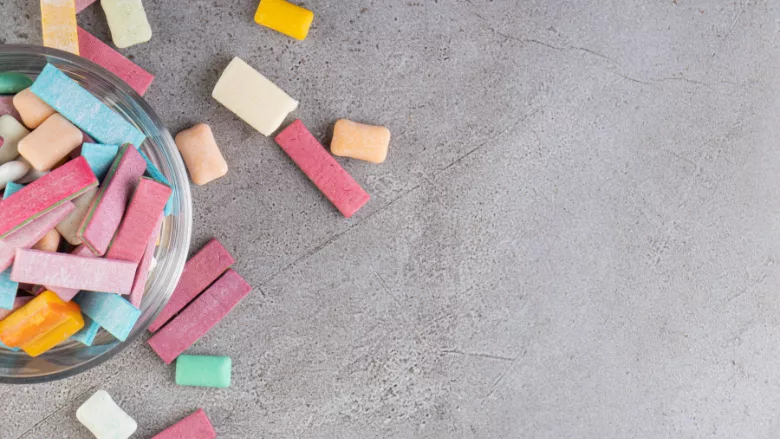
chewing gum generic
Courtesy of BalashMirzabey/Magnific
June 11, 2026

A new study suggests that sorbitol, a sugar alcohol commonly used as a low-calorie sweetener, may contribute to the development of metabolic dysfunction–associated steatotic liver disease (MASLD) under certain conditions, and that sugar alcohols may not be harmlessly expelled from the body without consequences.

Sorbitol is widely used in sugar-free candies, chewing gum, protein bars, and other reduced-sugar foods. It also occurs naturally in some fruits and vegetables, including stone fruits.

MASLD, formerly known as nonalcoholic fatty liver disease, is associated with obesity, diabetes, and metabolic dysfunction. Previous studies have shown that fructose is a key contributor to the development of steatotic liver disease (“fatty” liver disease), which affects approximately 30 percent of adults worldwide.

Sorbitol is "one transformation away from fructose"

Now, researchers at Washington University in St. Louis (WashU) have found that sorbitol can be converted into fructose in the liver when gut bacteria capable of degrading the compound are absent or overwhelmed. The findings, published in Science Signaling, challenge assumptions that sugar alcohols are metabolically inert alternatives to traditional sugars.

The researchers used zebrafish models to investigate how dietary glucose and sorbitol are processed in the body. Intestinal cells were observed converting dietary glucose into sorbitol, which gut microbiota normally degraded before it reached the liver. However, when gut microbiota were depleted, sorbitol accumulated and was transported to the liver, where it was converted into fructose 1-phosphate. That process increased glycolytic activity (when cells break down sugar for energy) and led to fat accumulation in the liver, characteristic of steatotic liver disease.

The researchers also found that administering high concentrations of sorbitol directly induced hepatic steatosis (which is the accumulation of excess fat in the liver) in zebrafish. Reintroducing sorbitol-degrading Aeromonas bacterial strains into the gut reduced these effects.

Gary Patti, Ph.D., Michael and Tana Powell Professor of Chemistry at WashU and senior author of the study, said the findings demonstrate that sorbitol is “one transformation away from fructose,” which has previously been linked to liver dysfunction and metabolic disease.

Gut bacteria play defense, but can get overwhelmed

The study further suggested that gut bacteria may protect against sorbitol-induced liver damage by metabolizing sorbitol into harmless byproducts before it reaches the liver. However, excessive dietary intake of sorbitol or elevated glucose consumption may overwhelm this protective mechanism.

The researchers noted that while modest amounts of sorbitol are generally managed effectively by the gut microbiome, higher levels may increase the risk of MASLD development, particularly in individuals with disrupted gut microbial populations.

The authors concluded that additional research is needed to better understand how gut bacteria regulate sorbitol metabolism and whether similar mechanisms occur in humans.


Related: Icon Foods launches sweetener with no added sugar

This article was originally posted on www.food-safety.com.
KEYWORDS: gut health health health and wellness sweeteners

Share This Story

Looking for a reprint of this article?
From high-res PDFs to custom plaques, order your copy today!

Recommended Content

JOIN TODAY
To unlock your recommendations.

Already have an account? Sign In

  • cookies stacked

    The top 50 snack and bakery companies of 2024

    The top-selling companies among baking and snack players...
    Bakery Products
    By: Jenni Spinner and Liz Parker Kuhn
  • IHOP new menu inspired by "IF" movie

    Most popular new products: May 2024

    Products range from a Reese’s Puffs collaboration with...
    New Snack and Bakery Products
    By: Liz Parker Kuhn
  • state of the industry bakery: 2024

    State of the Industry 2024: Bakers continue to show resilience and creativity

    For the past several years, the baking industry has faced...
    Bakery Products


More Videos

consumer behaviors webinar


Get Connected!

FACEBOOK x YOUTUBE LINKEDIN

Connect with us on Twitter, Facebook, YouTube, or LinkedIn to receive updates and to network with other industry professionals just like you!


Related Articles

  • Lidl pulls advent calendar from shelves due to potential Salmonella contamination

    Lidl pulls advent calendar due to potential Salmonella contamination

    See More
  • Trader Joe recalls Soft-Baked Snickerdoodles due to potential foreign material

    Trader Joe recalls Soft-Baked Snickerdoodles due to potential foreign material

    See More
  • Enjoy Life Foods debuts packaging refresh

    Enjoy Life Brands recalls bakery products due to potential presence of foreign material

    See More

Related Products

See More Products
  • Organic Production and Food Quality: A Down to Earth Analysis

  • The Art of the Chocolatier: From Classic Confections to Sensational Showpieces

  • ready to eat

    Ready-to-Eat Snacks: Emerging Technologies for Production and Safety

See More Products

Events

View AllSubmit An Event
  • October 8, 2025

    Smarter Snacking: How to Meet Consumer Demand for Cognitive Health Benefits

    On-Demand This webinar will provide industry pros with the forward-thinking insights and practical information they need to meet real-world consumer needs. We’ll showcase the latest consumer insights on smarter snacking, explore opportunities for product innovation, and explain the science behind ingredients that offer cognitive benefits.
View AllSubmit An Event
×

Snack on the latest trends, news, and developments!

Stay in the know with Snack Food & Wholesale Bakery, the premier source of information for snack, bakery, and confectionery professionals.

JOIN TODAY!
  • RESOURCES
    • Advertise
    • Contact Us
    • Directories
    • Store
    • Want More
  • SIGN UP TODAY
    • Create Account
    • eMagazine
    • Newsletter
    • Customer Service
    • Manage Preferences
  • SERVICES
    • Marketing Services
    • Reprints
    • Market Research
    • List Rental
    • Survey/Respondent Access
  • STAY CONNECTED
    • LinkedIn
    • Facebook
    • YouTube
    • X (Twitter)
  • PRIVACY
    • PRIVACY POLICY
    • TERMS & CONDITIONS
    • DO NOT SELL MY PERSONAL INFORMATION
    • PRIVACY REQUEST
    • ACCESSIBILITY

Copyright ©2026. All Rights Reserved BNP Media, Inc. and BNP Media II, LLC.

Design, CMS, Hosting & Web Development :: ePublishing