State of the Industry 2025: Chocolate consumers keep craving treats
Challenges and uncertainty continue, but resilient producers continue to innovate.
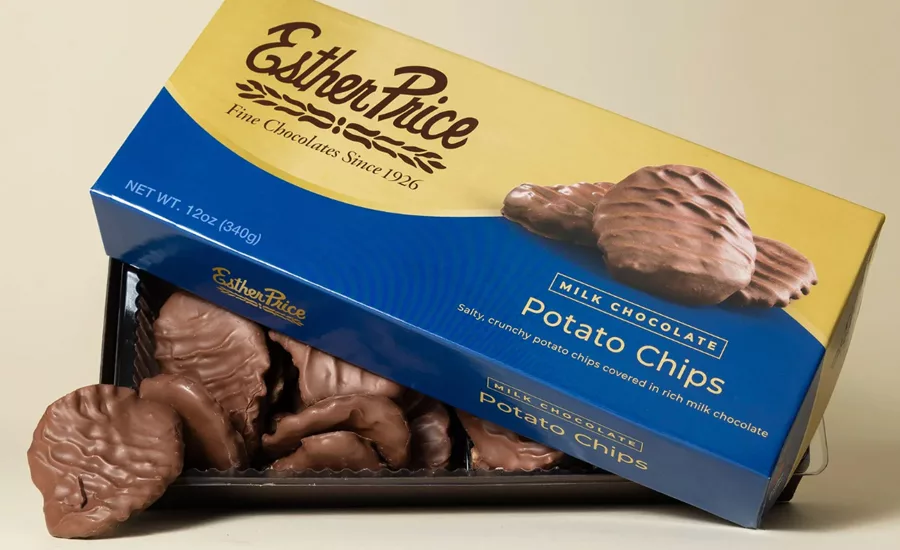
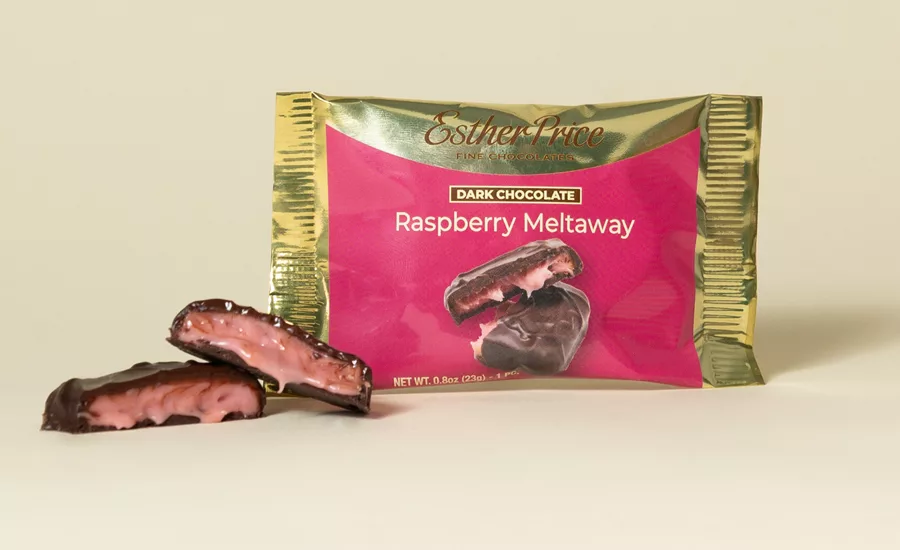
The chocolate market has been somewhat bittersweet as of late—cocoa price volatility, tariffs, labor challenges, and other issues continue to cause headaches for candy makers. However, people still want their little treats in the form of truffles, bars, and other chocolate indulgences, giving chocolate confection producers reasons to look on the bright side.
Market data
Consumers are still reaching for chocolate when they crave a sweet treat, according to Circana (Chicago) data for the 52-week period ending May 18, 2025. Overall, chocolate candy raked in $19.8 billion in dollar sales (a 1.4% increase) and sold 5.9 billion units (a 2.4% decrease). A glance at all the numbers, however, tells a modest tale, with some slight increases and just about as many declines in the various subcategories.
In the “chocolate candy box/bag/bar 3.5 oz” subcategory, sales totaled $7.7 billion, which amounts to a rise of 1.7% for the year. Private-label sales ranked third but saw a notable increase of 17.2%, reaching $664.9 million. The leading brands include:
- The Hershey Co. $2.9 billion, a tiny 0.4% dollar sales increase
- Mars Wrigley: $1.9 billion, a 5.2% decrease
- Lindt & Sprungli: $586.2 million, up 5%
The “chocolate candy snack size” subcategory experienced a 4.3% increase, reaching dollar sales of $1.5 billion total. Feastables, the brand from viral star Mr. Beast, pulled in $22.8 million in sales—modest compared to other ranked producers, but with an increase of an impressive 1,028.2% for the year. The subcategory leaders:
- Hershey: $829.6 million, up 1.9%
- Mar Wrigley: $433.6 million, up 2.5%
- Ferrero: $188 milllion, a 7.8% increase
Sugar-free chocolate candy producers experienced some notable increases and declines, but overall the subcategory’s performance for the year was less sweet than others—overall, products in this column sold $292.1 million, which amounts to a drop of 1.9%. The leaders in that category include:
- Russell Stover: $155 million, down 1.4%
- Hershey: $83.2 million, up 11%
- Lily’s Sweets: $3.5 million, down 25.4%
Then, one subcategory to keep an eye on is novelty chocolate candy. While the total is relatively low, at just $5.8 million for all the ranked producers total, its increase for the 12-month period was a significant 149.2%.
Looking back
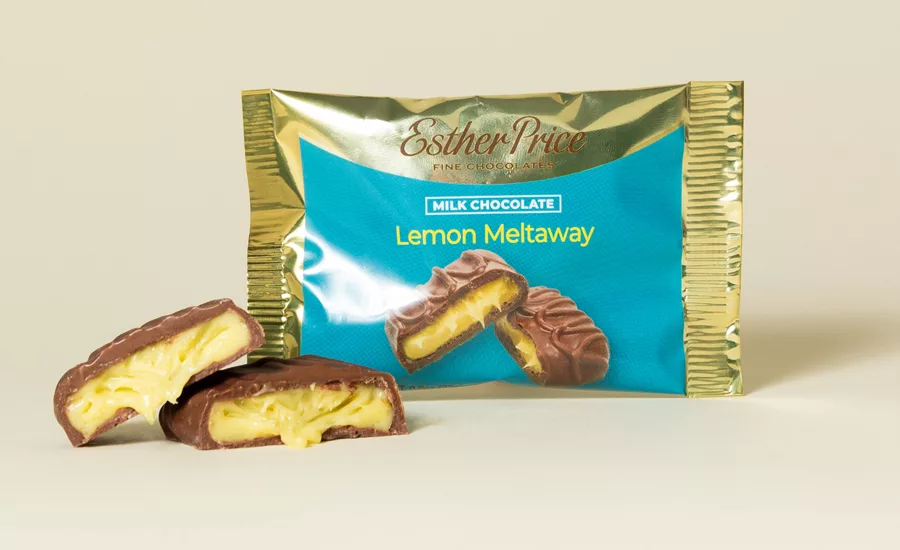
Todd Summers, vice president of sales with Esther Price Candies, says while challenges persist in chocolate (such as surging prices of cocoa and other raw materials), the company has managed to keep afloat by sticking to high quality standards, and delivering in alignment with consumer preferences.
“We’ve responded to changing consumer preferences by introducing more single-serve or grab-and-go items,” he states. “These formats have helped us enter new markets where our brand isn’t as well known, with a lower barrier to entry. We’ve developed a variety of single-serve options that perform well at checkout lanes and on end caps, places where consumers are more likely to make spontaneous purchases. This strategy has enabled us to expand beyond our core market, and sales have been strong so far this year.”
Sara Famulari, VP of marketing for Chocolove, notes observing a number of trends at play in recent months. For example, while consumers increasingly show an interest in eating better, they also want occasional indulgence.
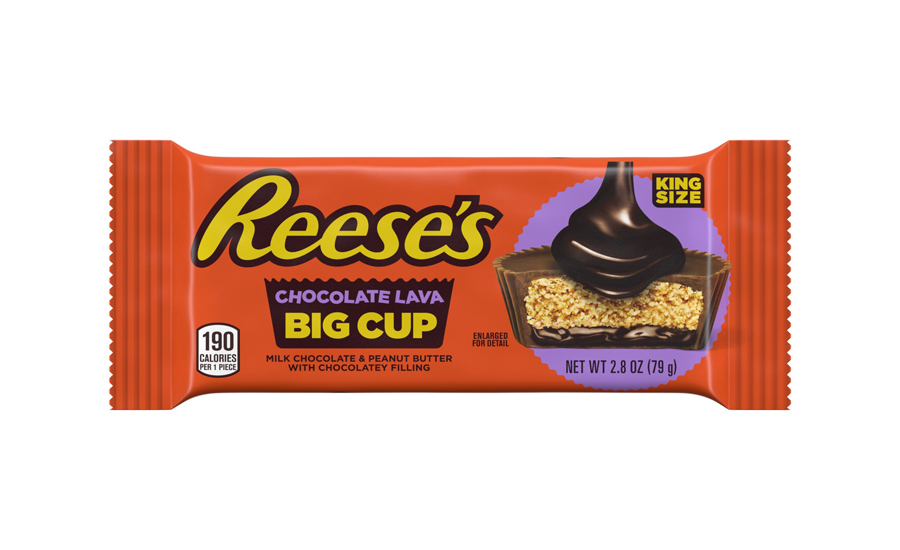
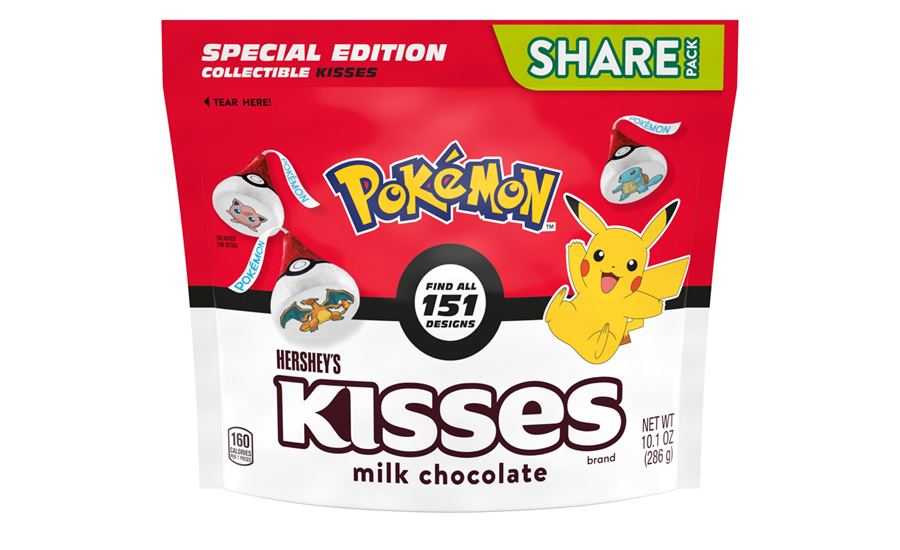
Courtesy of Hershey
“Health and wellness trends and a desire for healthy eating are driving demand for organic and natural products free of artificial ingredients and preservatives,” she says. “Chocolove is ahead of that trend as the natural channel leader for 30 years. We do not use anything artificial, and focus on pure, simple ingredients combined with our delicious chocolate to create incredible taste experiences. We also know customers want to feel good about what they’re eating, which is why our chocolate is made from traceable cocoa and sourced in a way that supports a better future for cocoa farmers and their families.”
Among the other trends Famulari and her chocolate colleagues have noted is “newstalgia,” or combining familiar flavors with novel twists. Katrina Vatter, senior brand manager for Hershey, shares that s’mores have moved from campgrounds to candy shelves and grown from there.
“Consumers are no longer sticking to the traditional trio of graham cracker, marshmallow, and chocolate; 35% are now adding new ingredients, with caramel emerging as a top choice,” she observes. “In response, Hershey’s introduced the Hershey’s Milk Chocolate with Caramel bar, which is designed to fit perfectly on a graham cracker. This product innovation directly supports consumers who are looking to innovate the classic campfire treat.”
In addition to new twists on old favorites, consumers are looking for adventurous chocolate snacking experiences, with novel flavors and interesting textures in the mix.
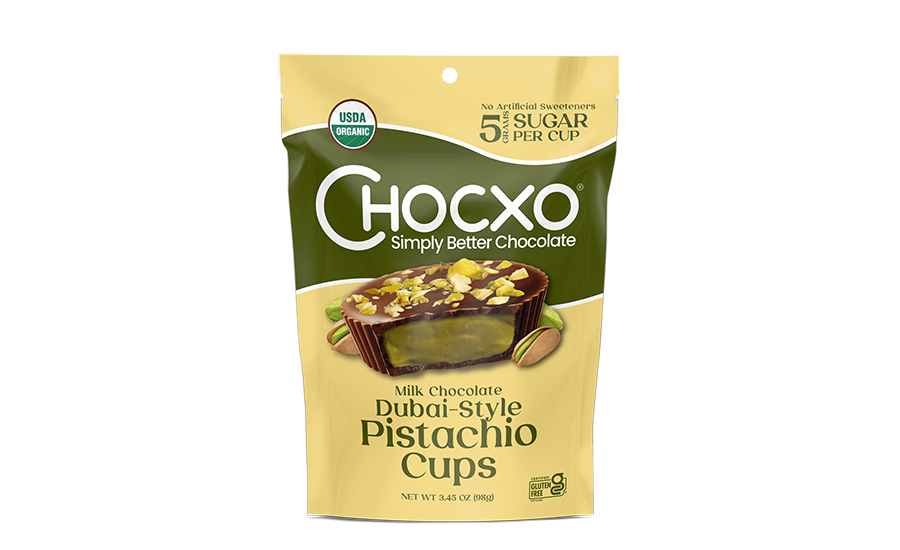
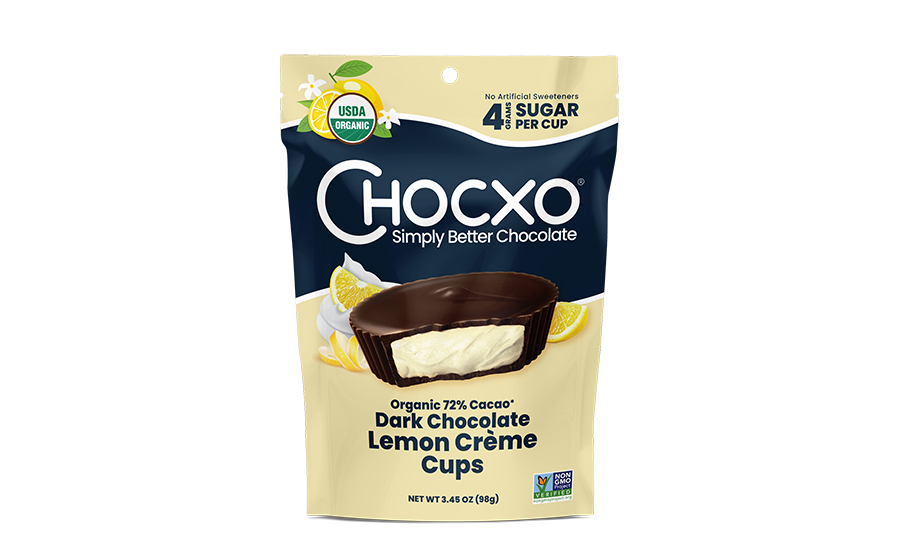
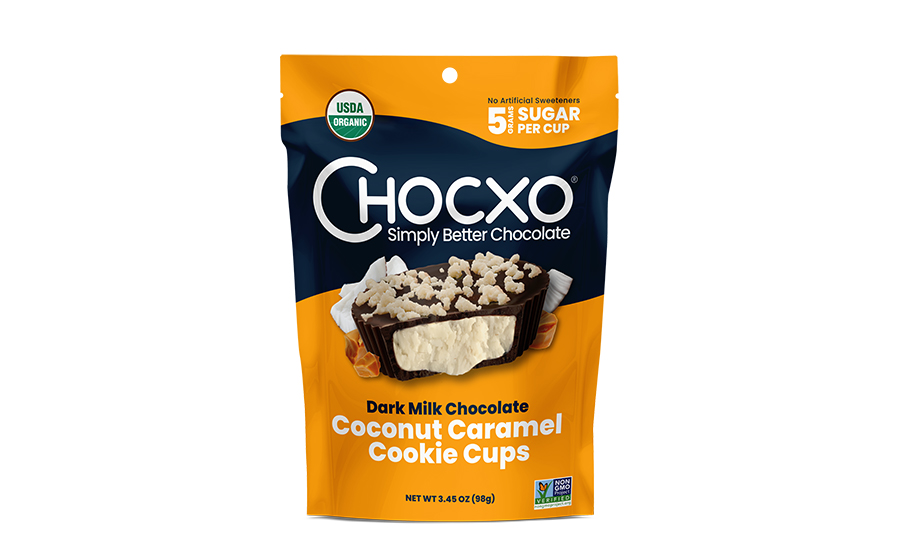
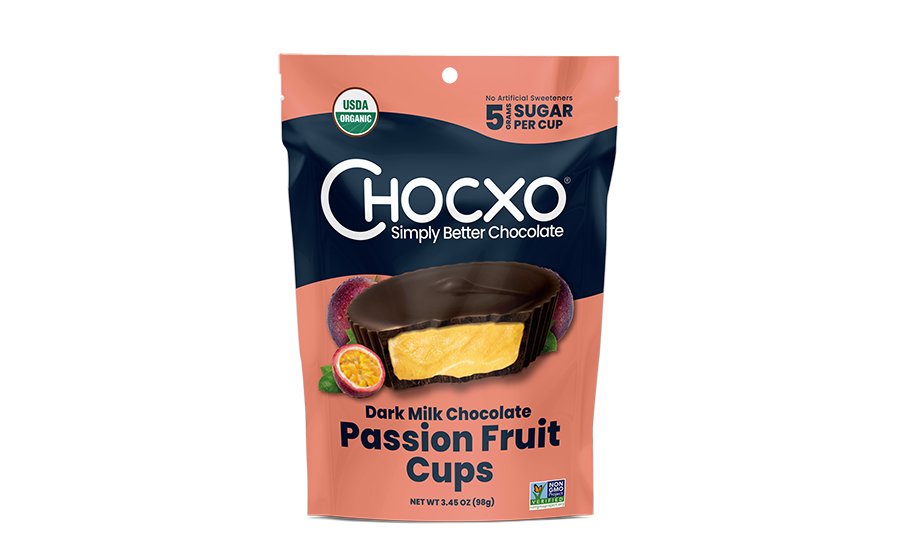
Courtesy of Choxco
“Innovation is a significant driver of consumer engagement,” states Peter Higgins, president of Chocxo.“Shoppers, especially Millennials and Gen Z, are eager to explore new flavor combinations and formats. Our recent launches—Dark Milk Passion Fruit Cups and Toasted Coconut Caramel Cookie Cups—have resonated with consumers because they combine bold, surprising flavors with clean ingredients and low sugar.
Looking ahead
Summers predicts ongoing challenges and persistent uncertainty likely will keep chocolate companies like Esther Price on their toes in the near future.
“I’d describe my outlook as neutral due to the constant changes,” he shares. “Prices in the chocolate market fluctuate almost daily or at least weekly, making it difficult to predict anything with confidence. If prices don’t stabilize, it will remain difficult…We need to find a way to navigate these dynamics.”
Timothy Moley, Chocolove CEO/founder, says he harbors a bright outlook about chocolate’s future, and about the future of cocoa growers.
“Based on many years of work in food that relies on tropical tree crops, and having spent many years in the field where tropical tree crops are produced, I can be optimistic about the current situation,” he shares. “Farmgate prices, or the prices paid to farmers, are increasing, and weather is improving in certain regions, so I think the farmer is better off this year than the past few years. All cocoa grinders and chocolate companies have taken a price change that will support continued growth of the sector, which will in turn support continued demand for the cocoa farmer. In short, more cocoa supply will come to market, farmers will be paid more for it.”
Vatter advises market watchers to expect chocolate producers to innovate by building on existing and emerging trends, pointing toward its innovations poured into the 2025 Halloween (or “Hersheyween”) season, including its Pumpkin Spice Latte Nuggets.
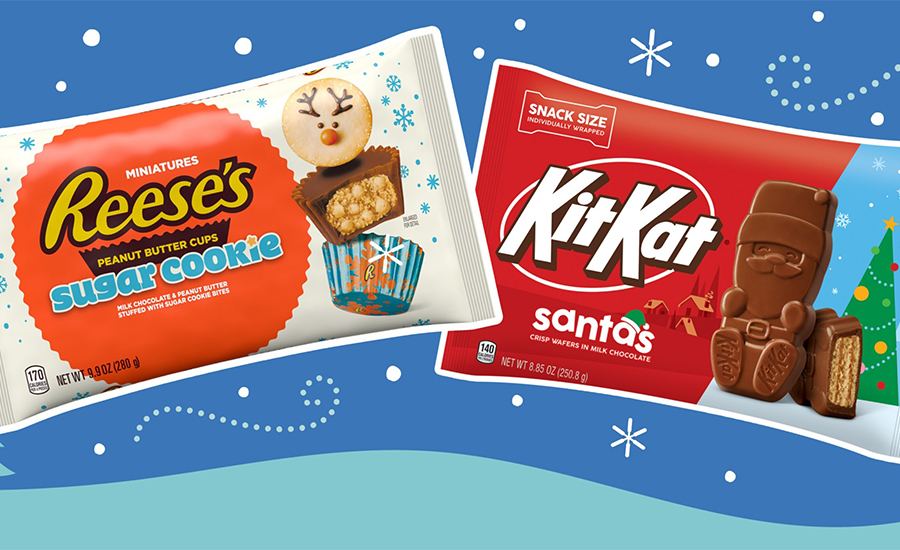
Courtesy of Hershey
“This product builds upon the popularity of the pumpkin spice latte flavor, which consistently resonates with consumers during the fall period,” she says. “This innovation aims to align our brand with evolving seasonal tastes within our Halloween portfolio and provide consumers with a personal treat option this season.”
Higgins foresees cocoa market volatility, fierce competition for retail shelf space, and managing rising costs in numerous areas will continue into the near future. However, in addition to responding to these challenges with strategy and intelligence, the company plans to harness the power of product innovation to stay ahead.
“Building on our citrus and tropical flavor platform, we’re preparing to launch our new Raspberry Crème Cups later this year,” he reveals. “With the same low-sugar promise and organic dark milk chocolate shell, this new SKU offers a bright, tart fruit center—crafted from real raspberry and white chocolate. We believe it will have strong seasonal and year-round appeal across our retail channels.”
Looking for a reprint of this article?
From high-res PDFs to custom plaques, order your copy today!