Whole Foods Market predicts 2026 trends
Consumers seek convenience, gut health, and feel-good design.
Whole Foods Market foragers, buyers and culinary experts share their takes on tomorrow’s trends.
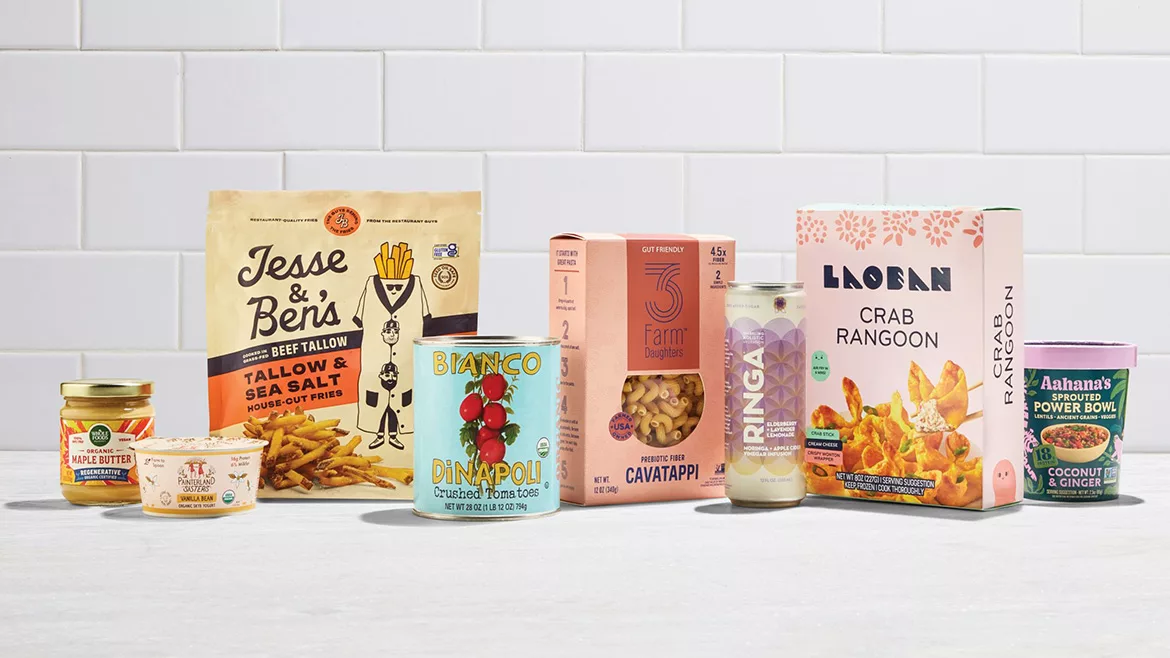
Whole Foods Market predicts 2026 as the year of fiber frenzy, fine-dining freezer finds, and an uptick in tallow. The retailer believes these and other trends will influence the food landscape in the coming year.
Predicting those shifts were members of the Whole Foods Market Trends Council, which includes the company foragers, buyers, and culinary experts. Council members “develop these trend predictions each year through a combination of deep industry experience, keen observation of consumer preferences and collaborative sessions with emerging and established brands,” the retailer said.
“Each year, our Trends report captures the pulse of what’s next in food, and 2026 is no exception,” says Sonya Gafsi Oblisk, chief merchandising and marketing officer at Whole Foods Market. “This year’s trends highlight how curiosity, creativity and conscious choices are shaping the way people eat and shop. We’re inspired by the innovation we’re seeing across the food landscape and can’t wait to watch these ideas come to life in our aisles and beyond.”
“Our trends predictions are inspired by the council’s deep expertise and boots-on-the-ground discovery—at farmer’s markets, industry trade shows, local restaurants and more,” says Cathy Strange, ambassador of food culture for Whole Foods Market and member of the Trends Council. “The 2026 list reflects how quickly ideas can move from emerging concepts to everyday favorites. It’s exciting to see how these trends will shape conversations in kitchens, communities and the broader food culture in the year ahead.”
Here are some of Whole Foods Market’s food trend predictions for 2026:
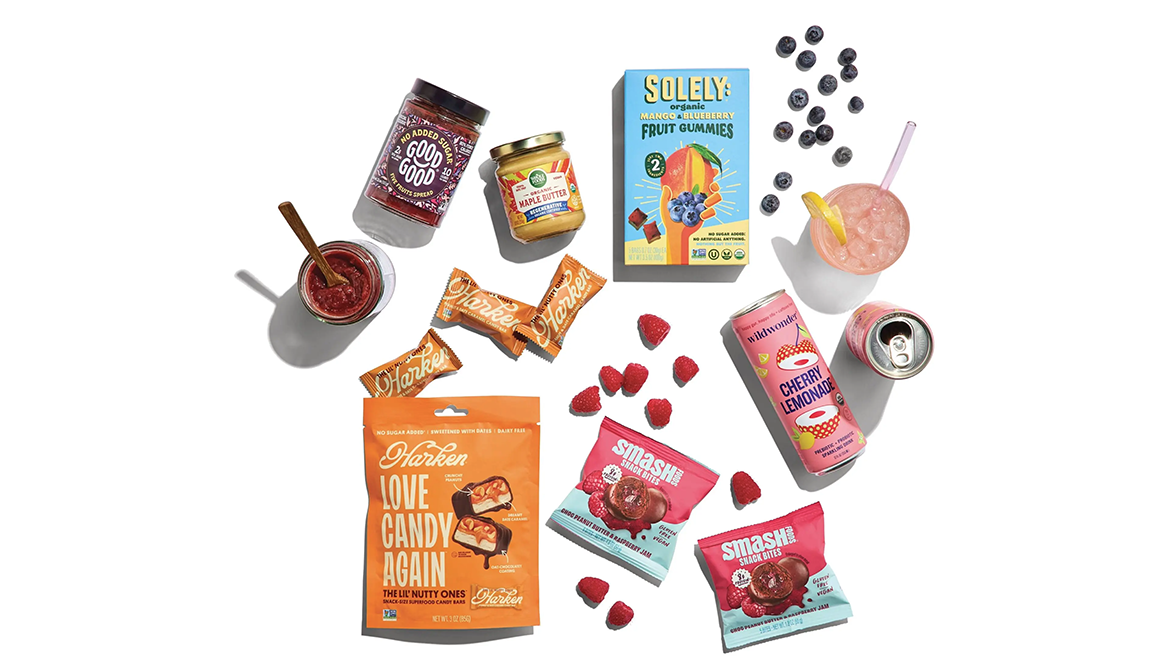
Sweet, But Make It Mindful: Having a sweet tooth will never go out of style, but we’re seeing more customers who are mindful of their sugar intake opting for products that are subtly sweetened with real cane sugar over alternative sources—or simply sweetened with whole fruit, honey or maple syrup. The retailer is seeing jam, chocolate and gummy brands leaning on real fruit in their products rather than high amounts of sugar for flavor and texture. And content creators on TikTok are continuing to make knockoff candy bars with peanut butter and dates (something the company noticed back in 2023 with its trend, “The Great Date”).
Focus on Fiber: Protein continues to be king, but fiber is gaining traction as consumers seek gut health, holistic digestive wellness, and natural ways to feel fuller longer. Brands are getting on board with more fiber-forward callouts on packaging, and increasingly, we’re seeing products with added fiber hitting the shelves, like pastas, breads, crackers, and bars. Roots like cassava and chicory are regulars on ingredient panels of prebiotic beverages, and konjac is a fibrous favorite in plant-based, ready-to-eat meals.
Meanwhile, pantry staples like oats are the star of up-and-coming products, which tout the ingredient for being rich in prebiotic fiber and easy on the gut. It’s safe to say these fiber finds are not just for your grandparents anymore!

What’s new and next for food, beverage and retail trends in 2026
Year of the Female Farmer: With multi-generational farms dwindling and fewer young people choosing careers in farming, it’s more important than ever to celebrate changemakers in the industry. Consumers may have already started to notice an increase of women in agriculture highlighted in media, event panels, and on brand websites and packaging. Organizations like the National Young Farmers Coalition offer funding opportunities through their Young Farmer Grant program which donates 50% of its grants to female-identifying, nonbinary and trans farmers, and the Food and Agriculture Organization of the United Nations declared 2026 as the International Year of the Woman Farmer.
Brands are taking part, too. Lotus Foods provides support to women on the farms they source from by providing premium wages and funding improvement in their local communities, and Kvarøy Arctic has an international scholarship and internship program specifically for women focused on aquaculture. True Moringa supports women tree crop farmers in Ghana, allotting them a plot of land and providing training and access to irrigation, organic certification, childcare, health insurance, and more.
Related: Laoban expands frozen line with takeout-inspired dishes
Looking for a reprint of this article?
From high-res PDFs to custom plaques, order your copy today!