Regenerative sugar leads the way: Global Organics
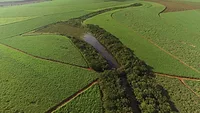
With green harvesting, the sugar cane is not burned, the supplier says.
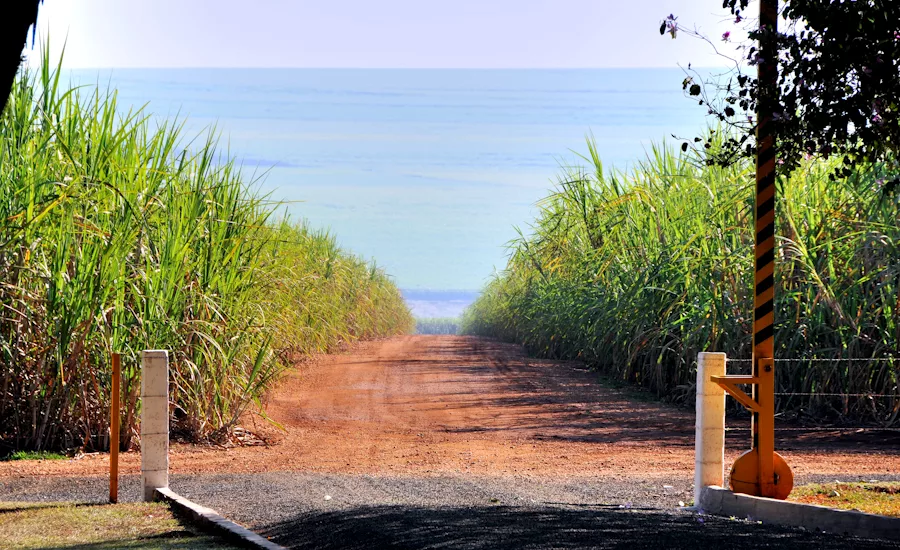
Ingredient supplier Global Organics is a longtime partner of Natíve, Brazil’s first Regenerative Organic Certified Gold sugar producer. For 35 years, Natíve’s Green Cane Project has revolutionized sugarcane farming by prioritizing soil health, biodiversity, sustainability, and social fairness, setting a global standard for sustainable practices, Global Organics says.
We touched base with Dylan Bates, category manager, cane sugar specialties, Global Organics, to learn more about how regenerative sugar farming works in practice, the environmental and business benefits, and why it represents the future of sustainable confectionery.
Liz Parker Kuhn: How is sustainability currently defined within the sugar sector, and where is there still a lack of alignment across the industry?
Dylan Bates: Unlike organic, which is the gold standard for regenerative and sustainable agricultural practices, there is no legal definition of sustainability. As a result, many companies and certifications are defining it for themselves. This does open companies up to criticism if any of their practices are not seen as sustainable by consumers. For example, monocrop farming is needed to produce the scale of ingredients the world consumes, but still relies on hazardous inputs that damage biodiversity, erodes soil, pollutes water systems, and is hazardous to farmers and their communities.
Sustainability is defined by sustainable growing practices. Green cane harvesting means that you don't burn the sugarcane to harvest it, which a lot of sugar mills still do. A lot of sustainability practices are covered in organic certification, which is where it actually is aligned across the industry in a set of guidelines to apply to.
LPK: What are the most pressing environmental and social challenges facing global sugar production today?
DB: Climate change is having a huge impact on sugar, along with every other agricultural project. It is the biggest challenge that the sugar industry is dealing with now. Rainy and dry seasons are no longer consistent from year to year, and they are in drought much more often. The agricultural staff in Brazil tell us they have not had a “normal weather year,” for more than a couple of years in a row, in over a decade.
Global Organics’ longtime partner Natíve is putting in irrigation in a lot of its fields that have been dry farmed (no irrigation) for centuries. Their location in Brazil didn't have to be irrigated and was productive with their typical rainfall, but that's no longer the case.
In terms of social impact in sourcing ingredients from around the world, every country is going to have its own strengths and weaknesses when it comes to labor practices. Fair Trade certifications are extremely important in making sure that everything is up to standards and there's money going back to support both the workers and the families that live around the areas that are growing the sugar. Global Organics offers several fair-trade certifications on many of our ingredients, including sugar.
LPK: How do regenerative organic farming systems approach those challenges differently?
DB: Regenerative organic farming focuses on soil health. Natíve’s regenerative organic farming methods help improve the structure of the soil, incorporating more organic material. The open soil structure can absorb more rain and is better able to deal with intense rain events without erosion. The soil also holds moisture better, allowing the farms to fare better during drought cycles. Organic farming methods help keep carbon flows in the soil and out of the air. It is a potent tool in the fight against climate change.
Traditional sugarcane practices that burn fields prior to harvest damage the soil. Burning also has impacts on the environment, and not just global greenhouse gas emissions, but also locally. And one must consider ecological damage done to other plants and wildlife.
LPK: Natíve was the first to achieve Regenerative Organic Certified Gold status for sugar. What does that milestone mean in terms of day-to-day farming practices and measurable impact?
DB: Natíve’s Green Cane Project has completely changed sugarcane farming and yielded measurable improvements for soil health, biodiversity, sustainability and social fairness. They’ve planted over two million trees across 5,800 acres. These forest restoration efforts have significantly improved habitats, supporting 23 times more biodiversity than conventional cane fields. A total of 340 species, including 49 that are endangered, have been identified in the restored areas.
Natíve’s entire process runs off the sugarcane fiber. When you take into account the electricity they generate and the fuel ethanol they distill, they are carbon negative. They generate carbon credits that they sell on Brazil’s RenovaBio marketplace.
In addition to reforestation and biodiversity, regenerative organic farming improves yields, especially on poor quality fields.
LPK: How are sugar suppliers and manufacturers working to improve traceability and transparency across the supply chain?
DB: At Global Organics we’re incorporating best in class lot tracking systems and working with the mills to make sure that all of the sugar can be traced back to the field that it came from, usually down to as close as the acre.
We conduct regular audits with our producer partners, both virtual and in person. Our QA team has walked through common spaces and the manufacturing areas in the fields. We’ll typically meet with them virtually a couple of times a year and at least once a year to visit the fields.
LPK: What role does supplier diversification play in supporting supply chain resilience in sugar sourcing?
DB: In terms of supply chain, diversification is crucial. It’s just not viable to be single-sourced anymore, given the weather patterns changing all over the world. We've recently started working with a lot of new suppliers, not because of any quality issues or commercial issues with historical suppliers, but because we need to have supply protection. For example, in case Brazil has a bad weather year, but Southeast Asia or India or northern South America does not. Diversifying is more important now than ever to protect against climate change.
LPK: What impact are certifications (e.g., organic, Fair Trade, Bonsucro, ROC) having on driving meaningful change in the sugar industry?
DB: These certifications act as “rulebooks” that force the industry to move from vague promises to verified actions. The changes that mills make when they want to get one of these certifications—whether it be organic, ROC, Bonsucro—it's a rising tide that lifts all boats. The practice that organic producers are doing now will eventually create more sustainable practices for mills that aren't even seeking those certifications. If they want to have better sustainability metrics they can sort of piggyback off the improvements that the organic and regenerative mills are making to improve themselves.
LPK: Beyond environmental and social benefits, how does regenerative organic sugar impact business outcomes for confectionery manufacturers?
DB: Regenerative organic agriculture results in a cleaner ingredient, which also results in a more resilient supply chain. Sustainable growing practices tend to be able to withstand changes better. The soil is more resilient. It holds more water. It typically has more nutrients when you grow sustainably. And you're using all of your acreage, waiting less time for fields to turn over and rejuvenate so that you can plant again. Regenerative agriculture typically yields more harvests out of a single growth cycle, allowing for more harvests per plant before you need to replant, particularly for sugarcane.
Beyond that, confectionery manufacturers stand to gain in multiple ways:
- Higher profit margins: ROC products attract “super champion” customers allowing for premium pricing; moreover, it will allow them to leverage the strong growth of ROC branding.
- Brand differentiation: Using ROC provides a high trust “halo effect” that will help build deeper customer loyalty through stronger marketing stories.
- Customer retention: Brands using high-quality organic cane sugar generally report higher repeat purchases and customer loyalty.
- Be part of a movement that is committed to climate-proof supply: organic and regenerative practices are all about creating healthier soils that help mitigate the impacts of climate change and reduce emissions. These are crucial issues of today and are more important than meeting monthly and annual targets.
Related:
Looking for a reprint of this article?
From high-res PDFs to custom plaques, order your copy today!