Icon Foods cracks code on reduced-sugar formulation
Allulose, stevia, monk fruit, isomalt, and more can lower sugar content.
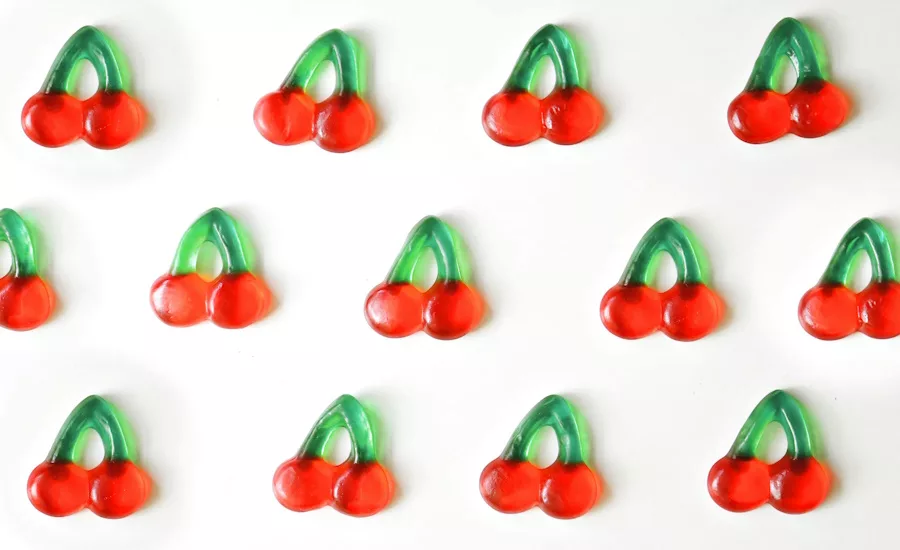
Photo: Madison Inouye/Pexels
By: Thom King, chief innovations officer, Icon Foods
Sugar, we gotta talk.
We all love a sweet little something now and then—whether it comes in the form of a nostalgic cherry lollipop, a sour gummy worm, or that chewy caramel that gets stuck in your molars for hours. But today’s consumers want balance. They want candy options that are clean, functional, low in sugar, and still indulgent enough to scratch that sweet tooth itch. Tall order? You bet. But totally doable.
Between a growing awareness of metabolic health, new FDA label requirements and the rise of brands like SmartSweets, Zolli, and Project 7, the pressure is on to create candy that delivers full-sugar satisfaction with less... well, sugar. But let's be real: this is not just about swapping sugar for stevia and calling it a day. Reduced-sugar candy formulation is an art and a science—one that demands ingredient synergy, processing know-how, and a little moxie.
Why reduced-sugar candy deserves a closer look
We’re not in diabetic-only territory anymore. Reduced-sugar candy has officially entered the mainstream. According to recent market data, the global sugar-reduction confectionery category is projected to grow at a CAGR of 7.5% over the next five years. These consumers want sweet treats that won’t spike their glucose or wreck their gut.
They’re seeking products that avoid blood sugar spikes, provide a clean flavor profile without artificial aftertaste, and maintain the familiar flavors and textures they love. Many are also looking for added benefits like fiber, collagen, or immune support. At the same time, they’re actively avoiding ingredients with laxative effects, complex chemical-sounding names, or formulations that feel like a compromise in taste or experience.
Now that we’ve examined what today’s consumers are looking for in reduced-sugar candy, let’s explore how to meet those expectations with formulation strategies that deliver—technically, legally, and sensorially. With the right ingredient systems, it’s possible to reimagine candy classics to align with modern demands while preserving the taste, texture and irresistible appeal customers expect.
Hard crack candy: where shine meets snap
Let’s start with the OG of shelf-stable indulgence: the hard candy. Think lollipops, fruit drops, and everything that would survive the apocalypse in your grandma’s purse.
The challenge: Sugar isn’t just sweet—it’s functional. It caramelizes. It hardens. It snaps. You need the right combo of sweeteners to get that same glassy structure and brittle bite.
The solution: allulose and isomalt
Allulose brings the clean, sweet taste and browning potential. Isomalt gives structure and clarity, plus that signature shine. Together, they behave remarkably like sucrose under high heat—without the glycemic spike.
Formulation tips
When formulating hard candy with allulose, it’s important to carefully control your heat—temperatures that are too high can degrade the sweetener and impact the final product. The order of ingredient addition also plays a critical role; start with your bulking agents and build from there. While humectants may be optional depending on your formulation goals, anticrystallization agents are a must.
These techniques have been successfully used in reduced-sugar lollipops that look—and crack—just like their full-sugar counterparts, as well as in Jolly Rancher-style fruit candies that deliver the same bold flavor and glassy finish without the sugar.
Gummies: the MVP of functional candy
Gummies are having a moment. Actually, several moments. From adult wellness brands slinging collagen or sleep-support SKUs, to kid-friendly low-sugar snacks with sneaky fiber boosts—they're everywhere.
The challenge: You need bulk, bounce, and sweet. And that gummy chew is super texture-sensitive. Miss the mark and you’ve made... fruit leather.
The solution:
- Allulose for baseline sweetness and syrup behavior
- Stevia or monk fruit for top-note sweetness without the calories
- Prebiotic fiber syrups like soluble tapioca fiber or inulin to build volume and support texture
Formulation tips
To ensure optimal gummy formulation, use acidulents and buffers to strategically to lock in gelation and carefully manage water activity to avoid overly sticky textures. For functional SKUs with strong herbal notes, a small amount of thaumatin (from katemfe fruit), or a steviol glycoside blend can help mask off-flavors. These strategies are especially effective in products like Goli-style functional gummies or kids’ gummies that deliver fiber and taste like candy—without the sugar crash.
Chews: the final frontier
Oh, chews. The most deceptively difficult candy to get right. Caramels, nougats, taffies—they’re all divas. Sugar does a lot of heavy lifting here, so removing it is like recasting Beyoncé with a karaoke singer.
The challenge: You need a sweetener system that delivers plasticity, slow release and structure—without the digestive drama.
The solution:
- Isomaltooligosaccharides (IMOs) for chew and structure
- Allulose for flavor and mild Maillard reaction
- Stevia or monk fruit for balanced sweetness
- Optional: Add glycerin or gelatin to modify texture and mouthfeel
This combo gets you as close as possible to that nostalgic chew without the sugar spike. IMOs and allulose create the stretch, while monk fruit and stevia blends fill in the sweetness gaps.
Don’t be afraid to push the boundaries with low-sugar candy chews—think reduced-sugar, Starburst-style fruit chews; chewy caramels fortified with collagen, fiber or protein; and even functional taffies infused with adaptogens or nootropics. Yes, it’s happening.
The sweet truth
There’s no one-size-fits-all solution in candy formulation—each format has its quirks, dependencies and diva moments. But that doesn’t mean you can’t innovate. With the right mix of sweeteners, fibers, and functional ingredients, you can create confections that meet consumer expectations and appeal to label-conscious consumers.
Reduced-sugar isn’t a compromise—it’s a category evolution, and savvy formulators know it’s the future.
Formulators: It’s time to get in the lab, grab your beaker (or KitchenAid), and make candy magic.
Related: Icon Foods introduces MonkSweet LS4
Looking for a reprint of this article?
From high-res PDFs to custom plaques, order your copy today!