ABIMAPI Bakery Congress
ABIMAPI, the Brazilian Manufacturers Association of Biscuits, Pasta, Industrialized Breads & Cakes, recently held its 15th International Congress in Florianópolis, Brazil. The companies highlighted in this slideshow participated in the event, either at the Congress in Florianópolis or as part of a post-Congress media tour. For more information, see “ABIMAPI holds bakery congress in Brazil.”
NONE
ABIMAPI, the Brazilian Manufacturers Association of Biscuits, Pasta, Industrialized Breads & Cakes, recently held its 15th International Congress in Florianópolis, Brazil. The event brought together Brazilian bakery executives to strengthen and grow their business, as well as international retail buyers and media seeking to learn more about Brazilian bakery products. The event focused on global bakery trends, as well as strategies to grow Brazil’s bakery industry.

NONE
The 15th International ABIMAPI Congress was held at the Costão do Santinho Resort & Spa in Florianópolis. The Congress consisted of presentations by noted Brazilian industry speakers, panel discussions, a trade show, networking and an international business meeting focused on Brazilian snack and bakery products available for export.
NONE
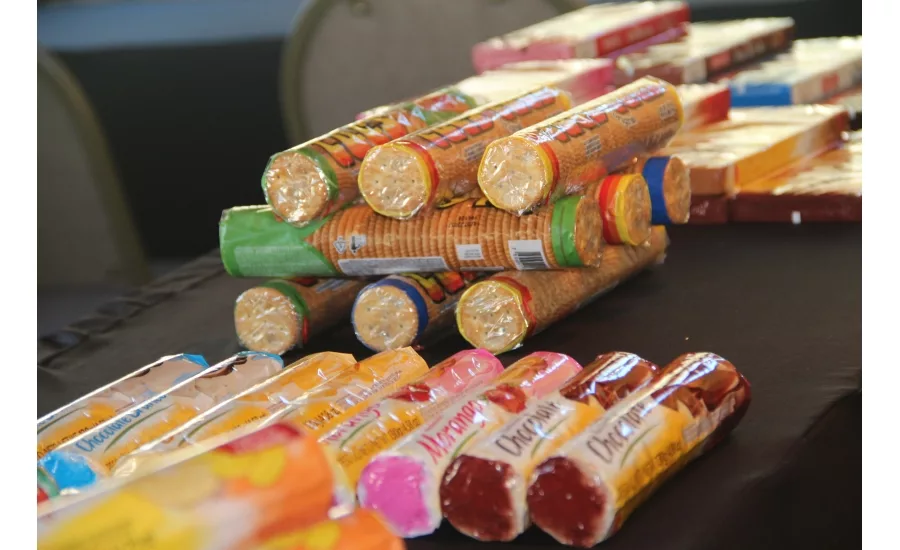
Bela Vista places a high importance on the export market, selling products in the U.S., Africa, Middle East and Canada, among other countries. They’re a leader in the Brazilian cookie market, including better-for-you products made with whole grains and natural ingredients. The company expects to double in size over the next four years, mainly due to demand for better-for-you and/or youth-oriented products.
NONE
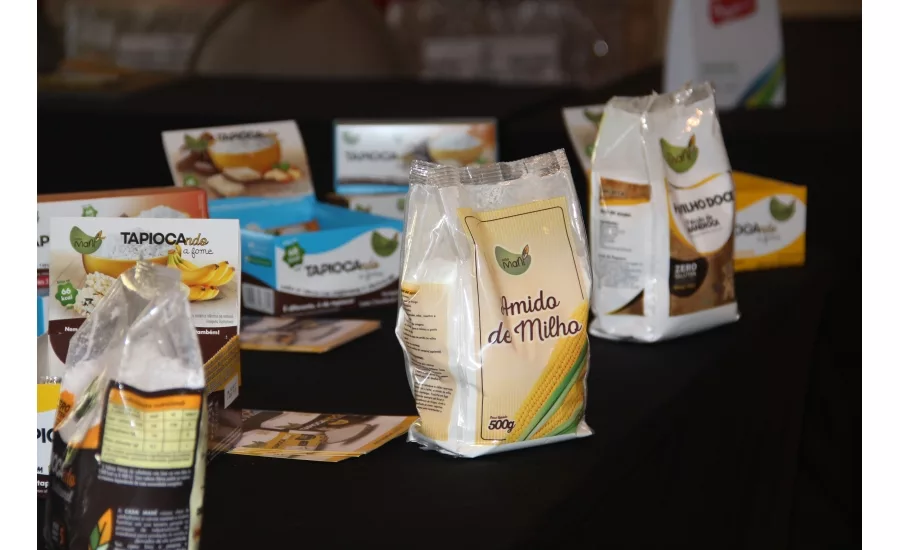
Cassava is a central ingredient for Casa Mani, offering snack bars and instant tapioca products to create wraps, pancakes and similar foods. While such foods are quite common in Brazil, a significant opportunity exists to bring this application to the U.S.
NONE
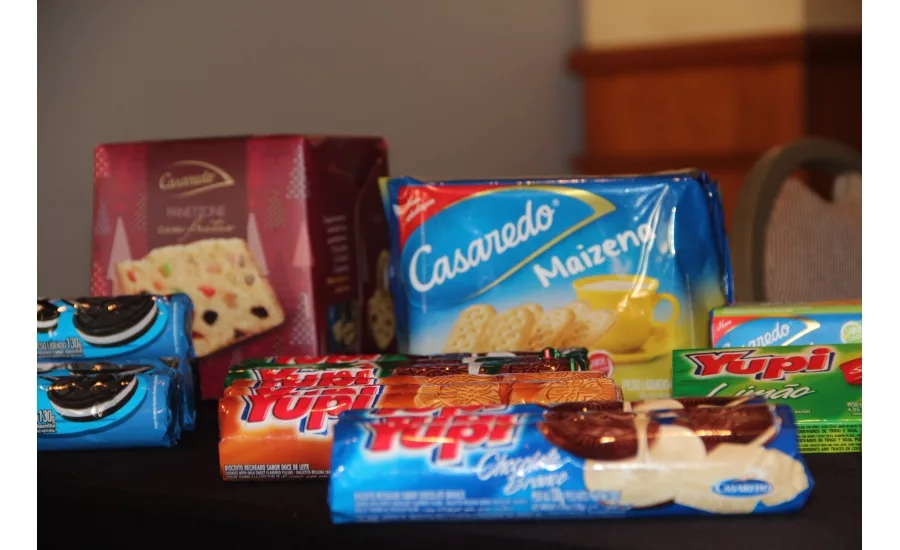
Cookies and crackers are primary products for Casaredo. Wafers are particularly popular in Brazil, and the company offers several varieties, including cookies and cream, banana, lime, white chocolate, chocolate, and strawberry. Its flowpack cookies are also quite popular.
NONE
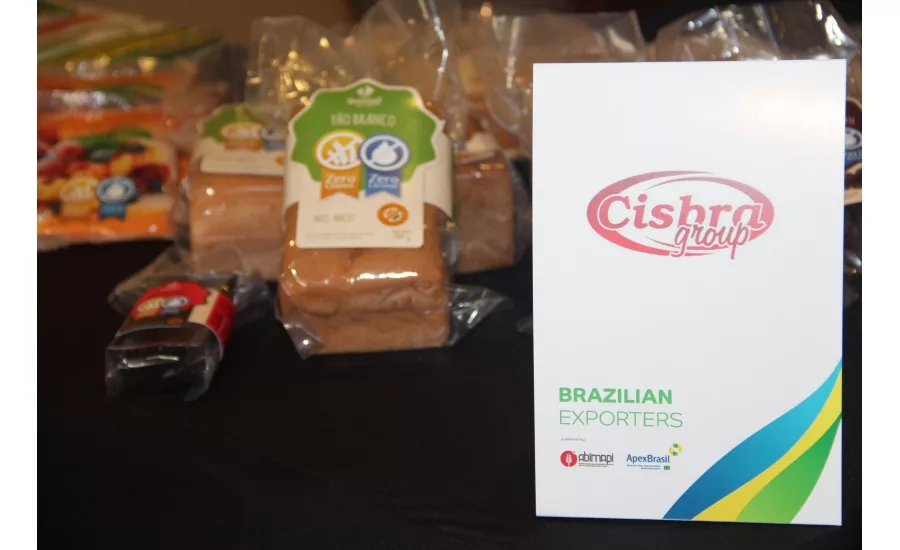
In addition to supplying grains to other bakers like Grupo Bimbo and Nestlé, Cisbra Group offers speed-scratch mixes for tapioca wraps, crêpes, waffles and pizza crust. It has multiple gluten-free options and sees strong opportunities for free-from mixes in the U.S. market. In Brazil, many products that are gluten-free are also lactose-free, a concept that could gain momentum in the U.S.
NONE
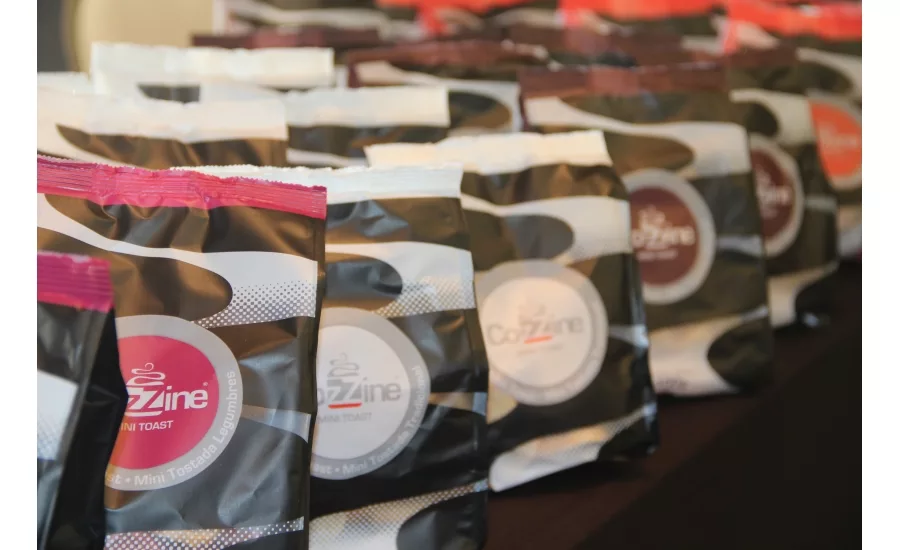
Bread crisps have started to challenge market share in the U.S. crackers category, and Cozzine knows this market well. It offers four different types of Mini Toasts: Traditional, Vegetable, Onion and Wholegrain. Its Vegetable Mini Toast is made with beet, carrot and spinach powders, as well as wheat flour—and no artificial colorants.
NONE
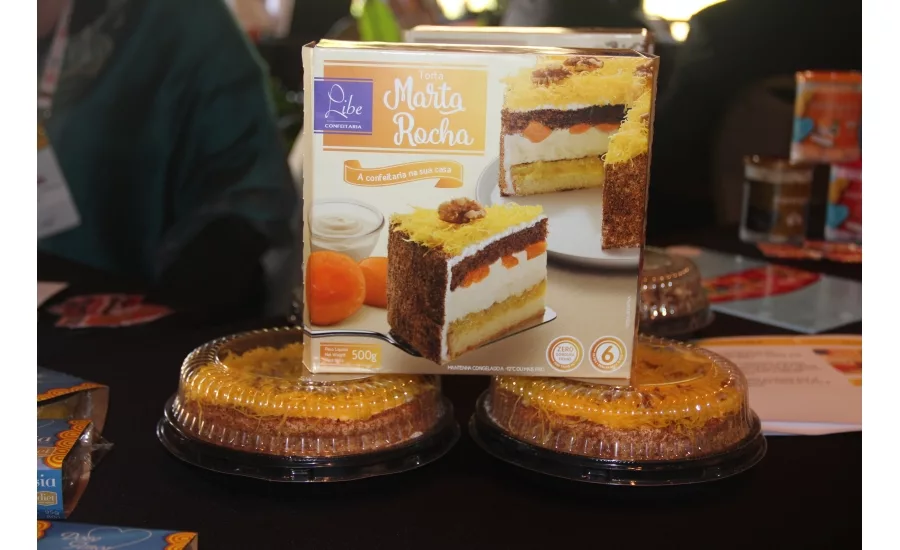
Doce Amor focuses on diet-friendly sweets and tortes. Brazil has developed a strong market for health-focused treats and desserts. Doce Amor offers sweets like meringue cookies and several varieties of tortes, including the elegant, multilayered Marta Rocha.
NONE
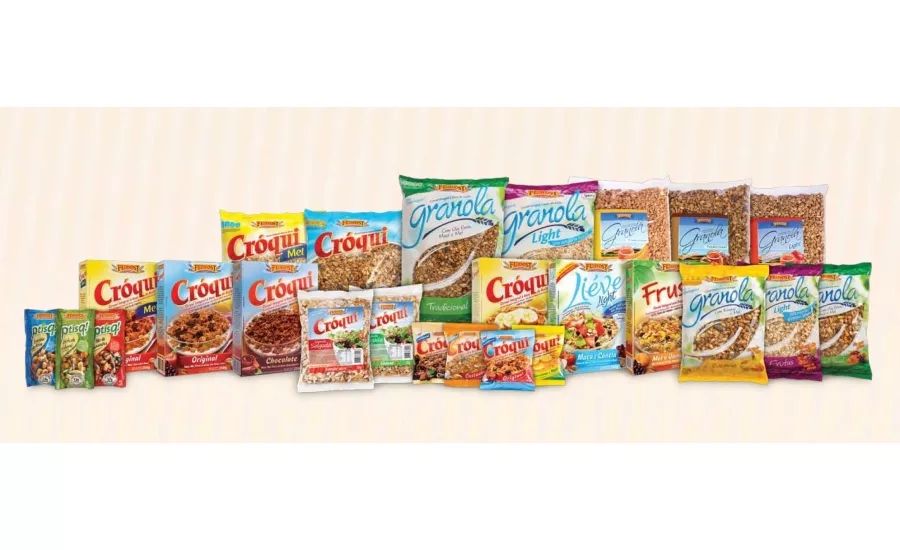
What started as a mom-and-pop granola business is now a significant player in the Brazilian RTE cereal market. Feinkost has made Cróqui a household name in Brazil. The company also understands that cereal is also often a snack, now offering single-serve packets of cereal, as well as single-serve snack mixes. Native Brazilian ingredients like açaí, Brazil nuts, passion fruit and coconut regularly go into its products. Feinkost also sells its cereals to companies like PepsiCo and Bauducco for use in their products.
NONE
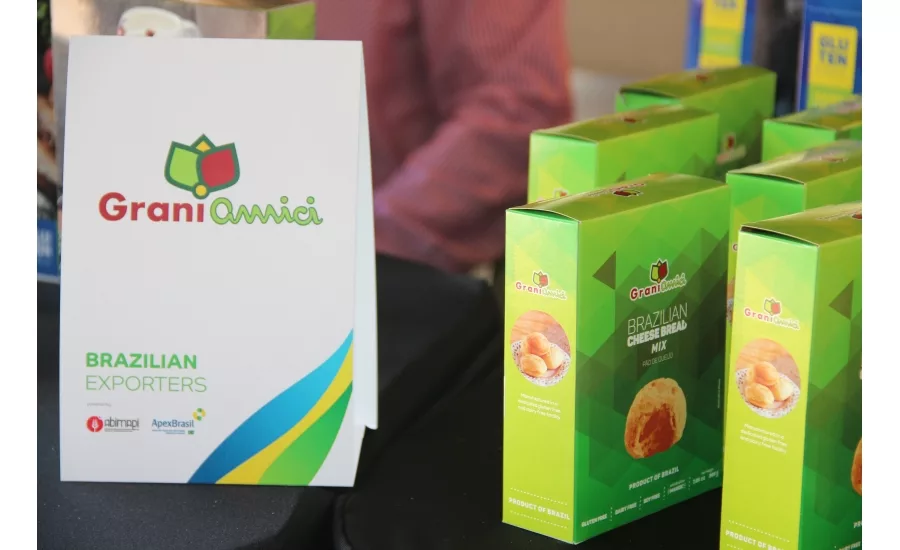
Grani Amici focuses on products that are both gluten-free and lactose-free. This approach extends to its new pão de queijo, traditional Brazilian cheese bread mix. The company also offers various free-from cake mixes, including chocolate, dark chocolate and vanilla. In order to ramp up production, the company invested in a new facility in 2015. During 2016, Grani Amici exported 50,000 products and expects an increase of 30 percent over the next two years.
NONE
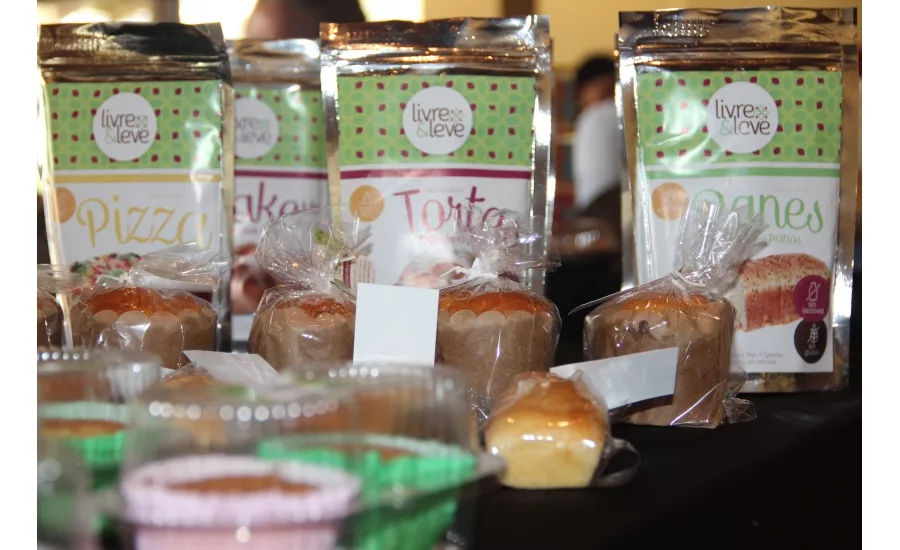
Products that are both gluten-free and dairy-free are gaining ground in Brazil. This area of formulation is the primary focus of Livre & Leve (RMix Foods), which offers gluten-free mixes for breads, cakes, pizza crusts, crêpes, pancakes and cookies, as well as mixes that are both gluten-free and dairy-free. Some are also available in zero-calorie options.
NONE
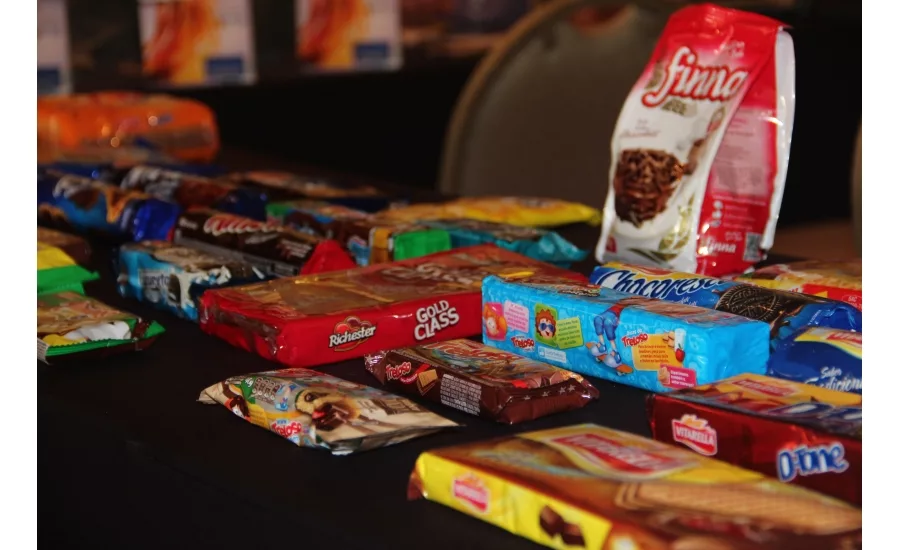
A vertical structure to its business—by owning its own milling operation and refining its own oils—has helped M. Dias Branco, named after its founder, Manuel Dias Branco, reach a significant global audience for its cookies, cakes, crackers and other products. The company operates 14 facilities in Brazil and exports to countries around the world.
NONE
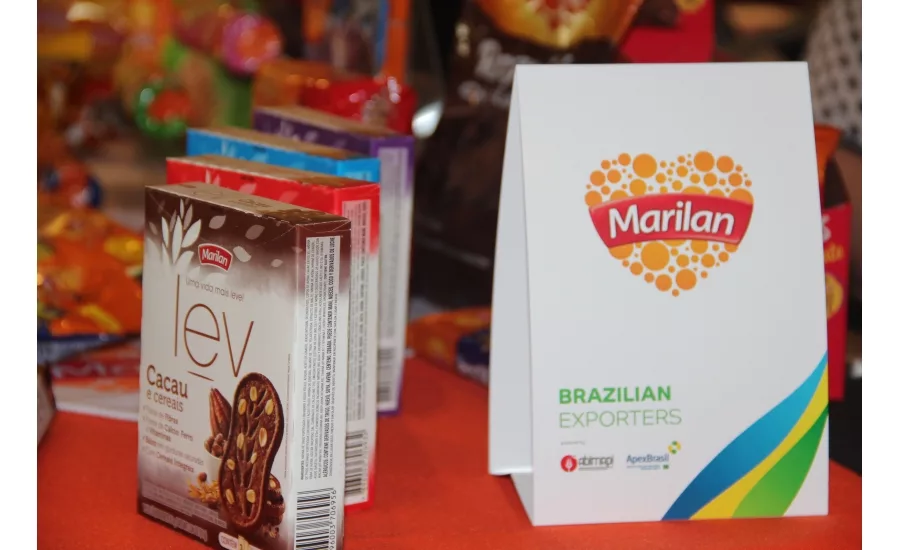
Marilan is the second-largest cookie and cracker producer in Brazil. It makes some innovative products, including co-extruded, filled cookie snacks—bite-sized pillow cookies filled with chocolate, vanilla or coconut cream. It also produces a wide range of different cookies and crackers, including nutrition-forward breakfast biscuits and cookies. The company exports its products to 60 countries around the world.
NONE
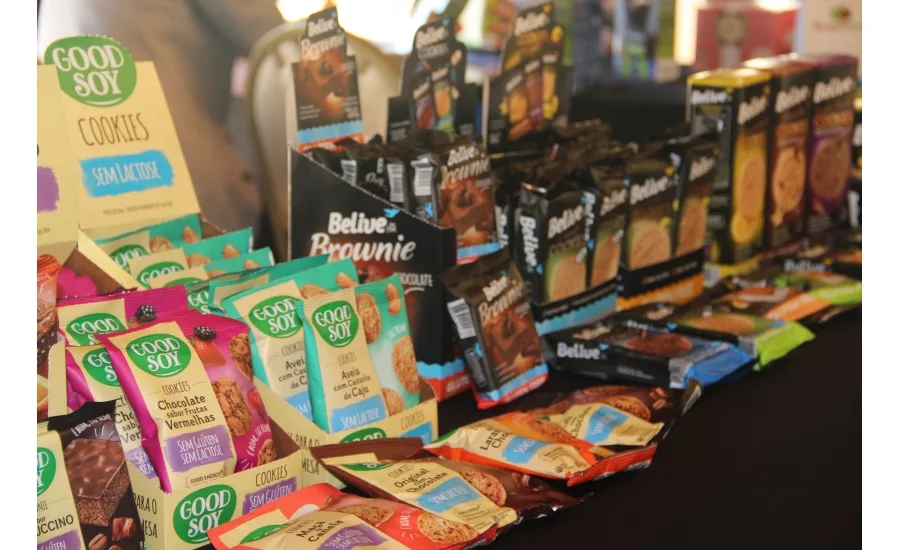
The intersection of “nutritious, healthy and delicious” is at the heart of the products developed by NHD Foods, which include extruded snacks, cookies and brownies. The company is also invested in agriculture, farming its own soy, sorghum, buckwheat, oats and corn, among others. Several products are gluten-free and lactose-free.
NONE
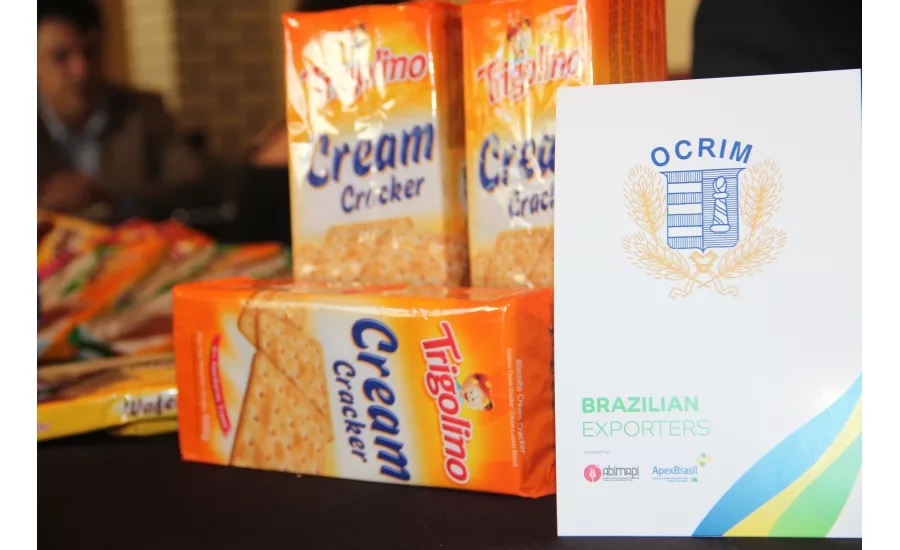
The focus of the snack and bakery focus for the Ocrim Group is its Trigolino brand of cookies and crackers, with a particular emphasis on the youth market. Ocrim has a strong focus on its milling business in Brazil.
NONE
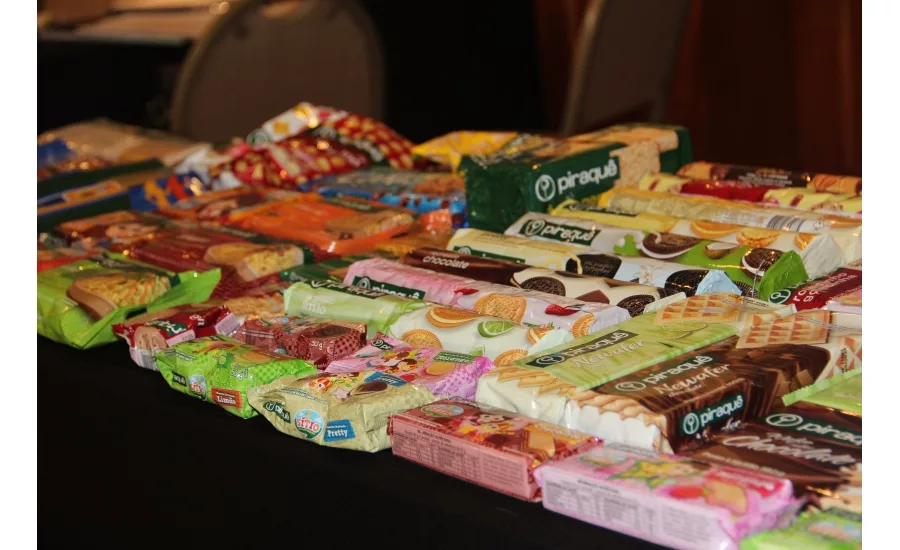
Cookies and crackers are the snack and bakery focus for Piraquê, which has been a mainstay in the State of Rio since the 1950s. One unique product is its premium wafers, with Belgian-waffle-styled wafers sandwiching chocolate, strawberry or lime fillings.
NONE
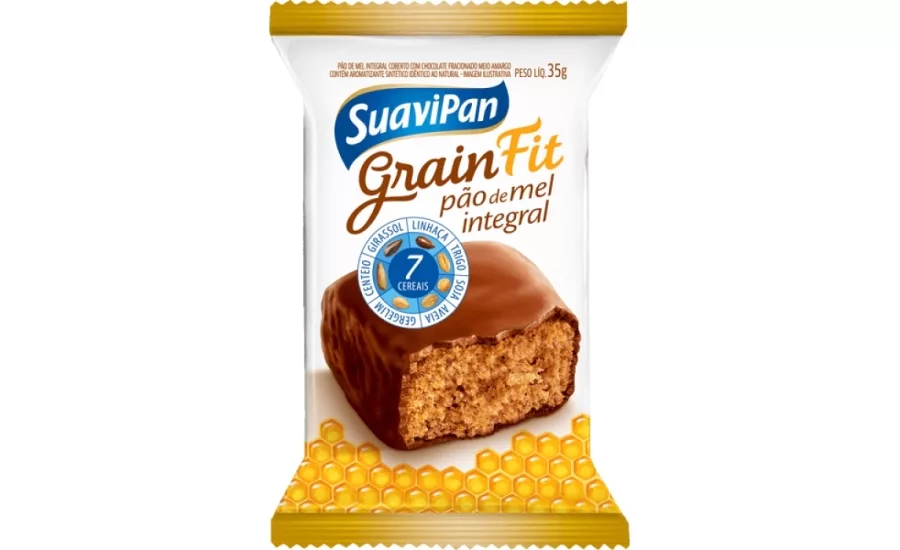
SuaviPan focuses its baked goods on health and wellness, with traditionally indulgent products like snack cakes featuring whole grains and offering zero-calorie options. The company also offers a line of organic muffins. Its alfajores—sandwich cookies completely enrobed with chocolate ganache—are made without sugar or trans fats, and are low in sodium.
NONE
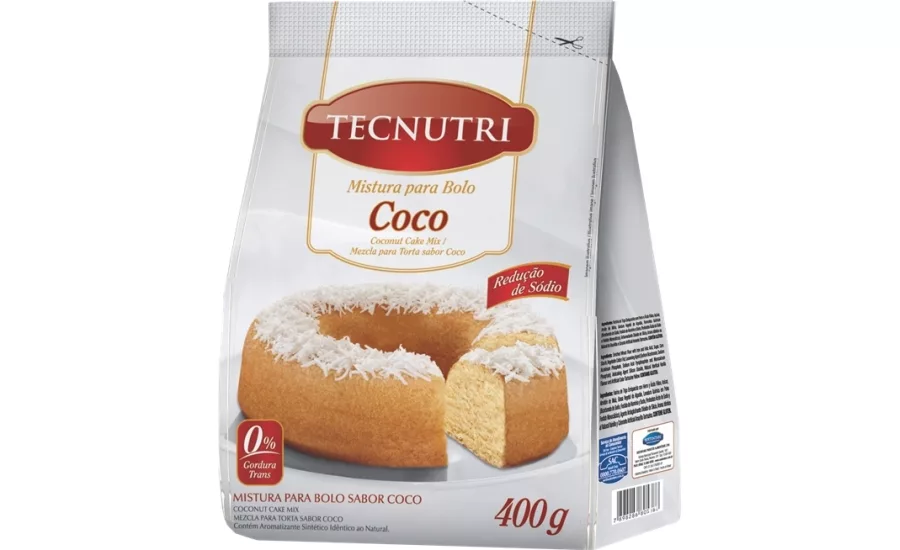
Sustentare supplies products for Brazil’s foodservice and retail markets. For retail, it offers mixes for various types of cakes, as well as a mix for pastry, among other products. The lineup includes a mix for maria mole, a marshmallow-like Brazilian dessert.
NONE
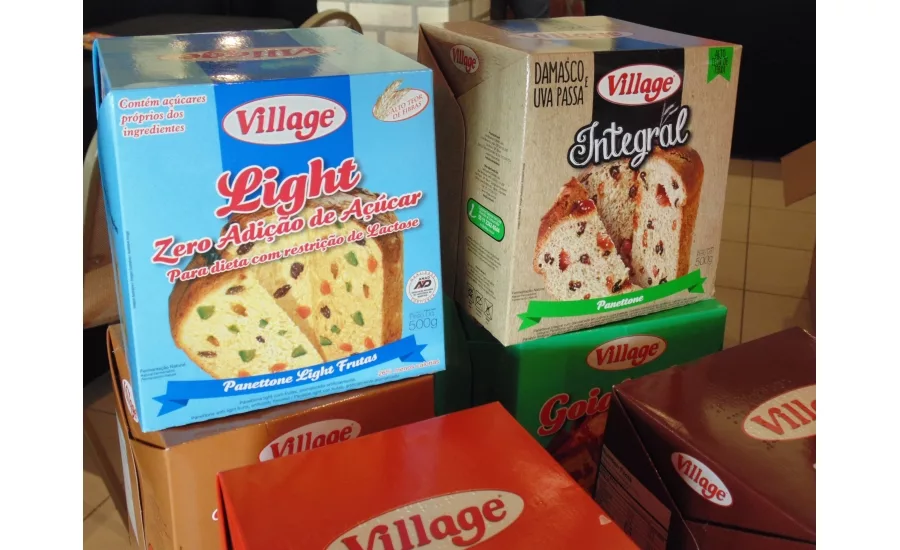
Panettone has Italian origins, but thanks to an influx of Italian immigrants to Brazil in the 19th and 20th centuries, Brazil is one of the largest producers of this sweet, cupola-shaped bread. Village is the second-largest baker of panettone in Brazil and exports products throughout Latin America, Europe and the U.S. The company expects growth in exports over the coming years. Beyond the traditional version with candied fruits, flavors have expanded through the years to include chocolate, banana and cinnamon, chocolate with dulce de leche, hazelnut chocolate and zero-sugar options. Village also produces cake products, cookies and RTE caramel popcorn.
NONE
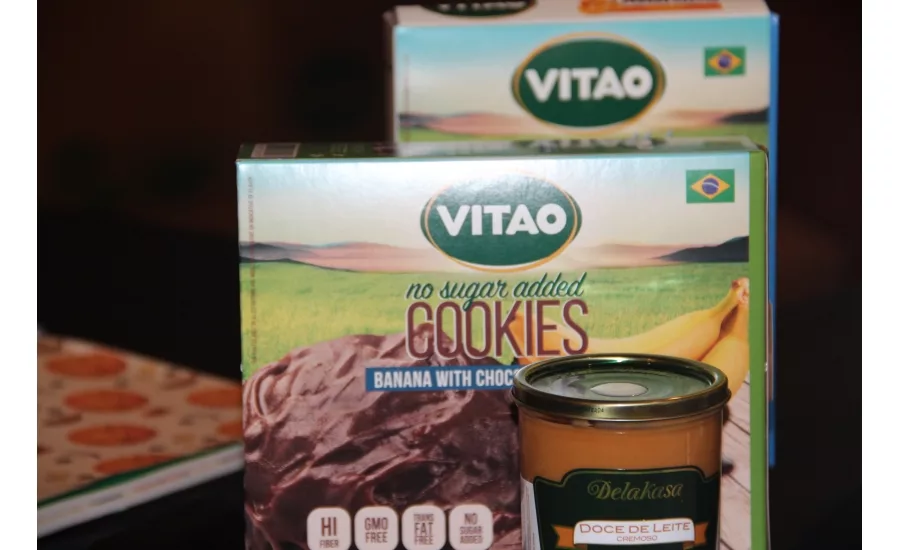
The cookies offered by Vitao continue the prevailing health-and-wellness pattern seen at ABIMAPI’s 15th International Congress. Multiple Vitao products are made with whole grains or granola and/or have reduced or zero sugar. Various traditional options are also available. The Vitao lineup also includes RTE and instant hot cereals, nuts and snack mixes, puffed/extruded snacks, and baking mixes (including gluten-free), among other categories.
NONE
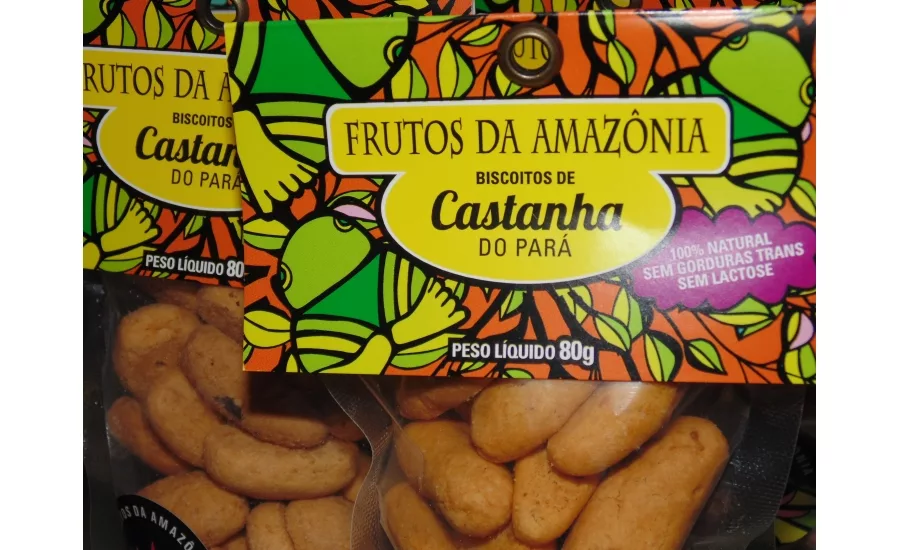
Upon the conclusion of the Congress, media guests were treated to a tour of various Brazilian snack and bakery companies. The first stop was at Frutos da Amazônia where Iolane Tavares, director of the company, outlined the mission of the company: to offer a true taste of the Amazon while preserving its most precious element—the forest. The company partners with riverside communities and cooperatives that work the forest without degrading it. The lineup of snack and bakery products Frutos da Amazônia offers includes panettone, cookies, and fruit and nut snack mix.
NONE
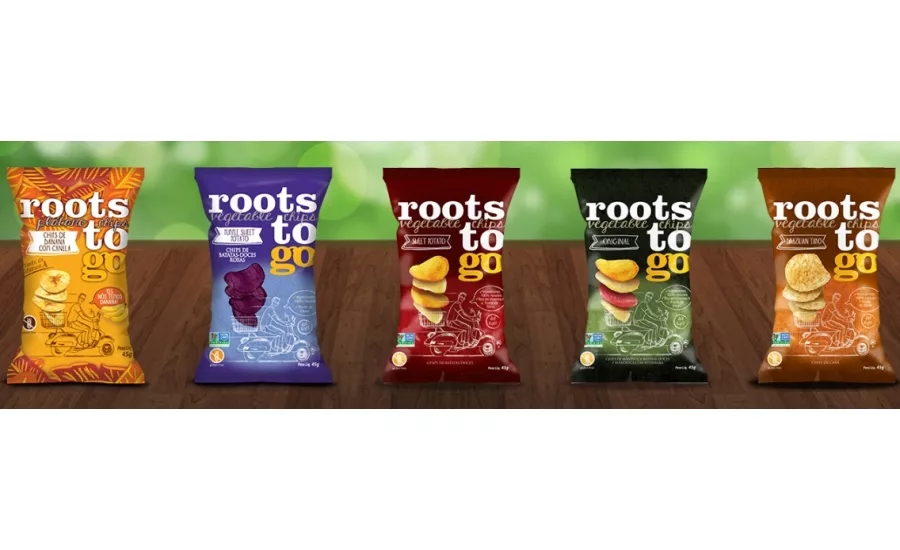
The vertically oriented Roots to Go is quickly making a name for itself in Brazil—and beyond. During our visit, the company founders discussed their farms in the states of São Paulo, Minas Gerais and Bahia. They were the first company to bring sweet potato chips to market in Brazil, and the lineup now includes beets, yucca, taro, purple sweet potato and more. Roots to Go has already established some distribution in the U.S., including Whole Foods Market in Florida.
NONE
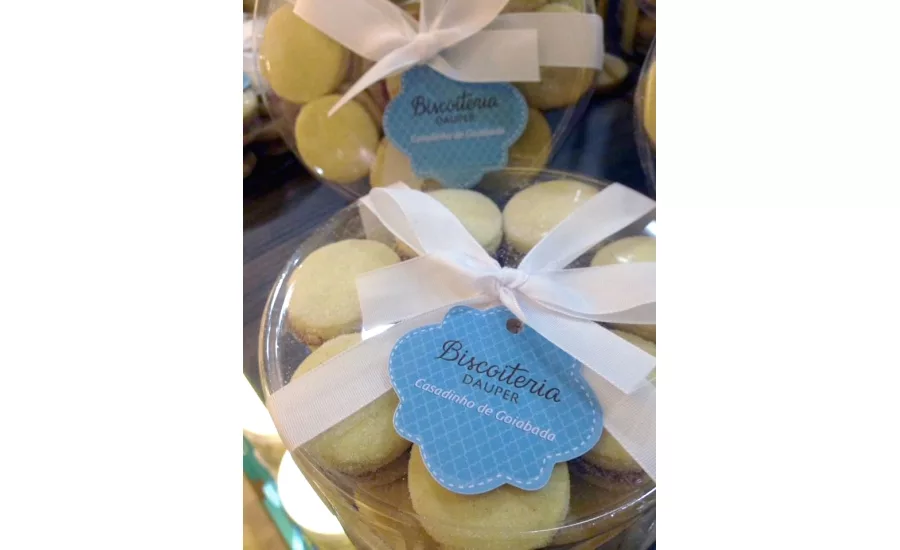
Our group met with Lucas Lanzoni, national commercial manager for Dauper, at one of its retail stores in a popular São Paulo shopping mall. The Dauper story begins at AIB, where company founders Ana and Marcio Peres studied baking science and technology. They subsequently opened the first Dauper cookie bakery in Canela, Brazil in 1988. Two years later, it became the cookie supplier for McDonald’s in Brazil. Today, the company is primary contract manufacturer for top global cookie brands. Dauper also offers its own brands of cookies to the Brazilian market—a health-oriented brand and a premium brand. As a retailer, through boutique, gift-oriented Dauper Biscoiteria, the company offers many unique, high-end cookie options. Dauper is also an ingredient supplier for the global bakery industry.
NONE
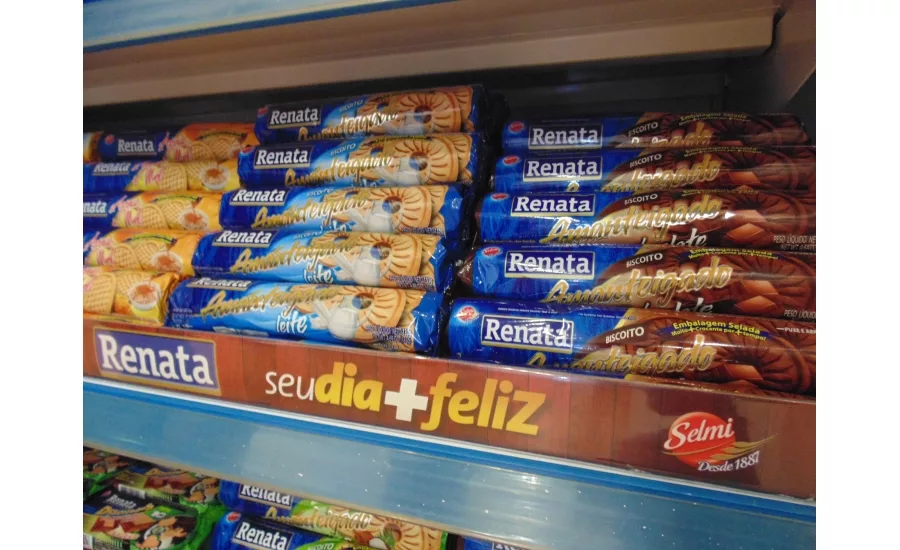
The roots of Brazilian food industry giant Selmi go back to 1887 when Adolpho Selmi arrived in Brazil from Italy. His initial factory created pasta noodles—and only recently, about a decade ago, Selmi added cake, cookie and cracker production. Selmi has invested strongly in automation, including palletizing and pick and place at the end of the line, along with a highly automated warehousing system.
NONE
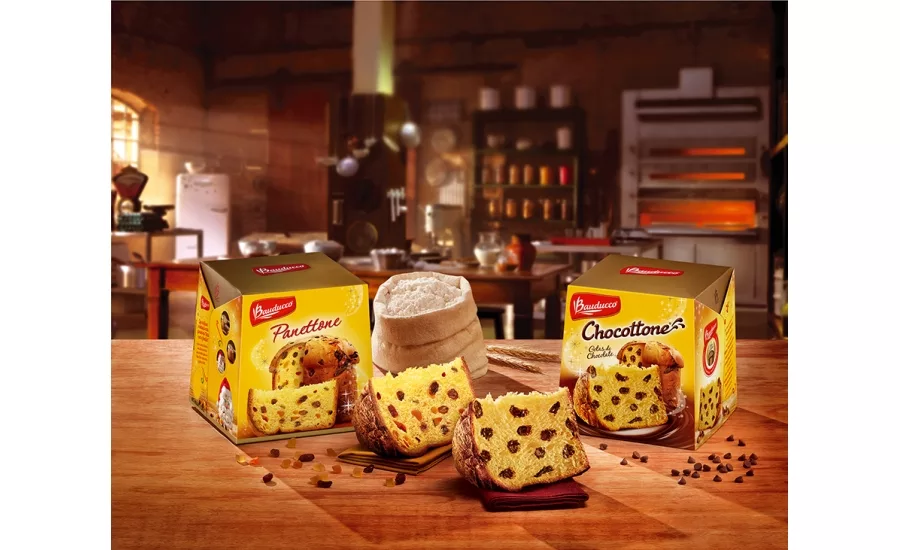
Our final stop on ABIMAPI media tour of Brazilian snack and bakery operations was Bauducco, the largest bakery company in Brazil. The bakery has over 50 percent of the market share of panettone sold in the U.S. and is the largest producer of the breads in the world. The company also produces a wide range of snacks and baked goods, including cookies, toast, snack cakes and muffins. The company got its start in 1952, founded by Carlo Bauducco, who traveled from Italy to Brazil in 1948 with his family’s panettone recipe. A recent addition to the bakery we visited is a fully automated muffin line, which will help fuel the company’s school foodservice business.