State of the Industry: Buns keep rolling along
The category experienced ups and downs in both the perimeter and c-store.
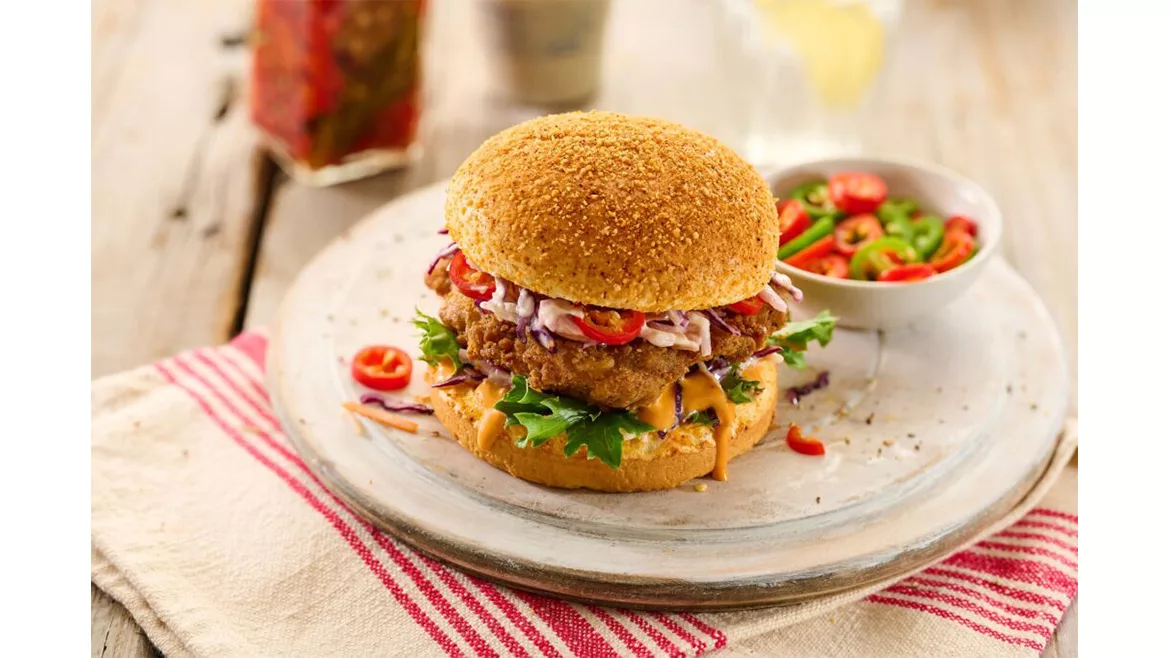
With burgers, hot dogs, and sandwiches still frequently starring on American menus, buns and rolls still are invited to dinner and social gatherings where those items are served. The various divisions within the category experienced some mixed results over the past year, but producers have continued innovating—and they don’t show signs of stopping anytime soon.
Market data
Common to many other bakery categories in Snack Food & Wholesale Bakery’s 2026 State of the Industry coverage, buns and rolls saw some ups, some downs, but overall it stayed relatively even. One bright spot was center-store specialty rolls. According to market data for the 52-week period ending March 22, 2026, the subcategory took in $322.2 million during that time, a gain of 19% compared to the previous year. Private-label products led the way, with its $143.5 million (an 11.6% gain). Leading producers included:
- Grupo Bimbo: $71.8 million, a 14.4% increase
- Campbell’s Co.: $51.3 million, a whopping 82.2% increase
- U.S. Bakery: $16.9 million, a 6.7% increase
The biggest-selling c-store categories, hamburger and hot dog buns, saw dollar sales decline—the category’s $3.3 billion amounts to 1.2% less than the previous year. The leaders here:
- Grupo Bimbo: $949.5 million, a 5.5% gain
- Flowers Foods: $526.7 million, a 3.7% increase
- Campbell’s Co.: $279.1 million, a drop of 7.9%
In the perimeter, private-label products dominated and took home most of the dollar sales in nearly all of the buns and rolls subcategories. For example, dollar sales of perimeter dinner rolls overall reached $382.5 million, a 3.6% decline. Of that, private-label products sold $315.8 million (a 5.5% loss). The top-ranked producers in this category had shares much more modest (though some with notable percentage gains):
- Wholesome Harvest: $29.5 million, a 2.3% drop
- Aspire Bakeries: $15.8 million, a 6.8% decline
- FGF Brands: $5.8 million, a jump of 144.6%
Specialty rolls in the perimeter showed results similar to those of perimeter dinner rolls—the subcategory took in $185.8 million of that (3.4% less than the previous year), and private-label items raked in $179.9 million of that, a 3.5% drop. Leading producers included:
- Guttenplans Bakery: $2 million, a 1.7% gain
- Aspire Bakeries: $530,980, a 65.7% loss
- Miami Onion Roll: $454,902, a gain of 0.6%
Looking back
Consumers in recent history have been looking for bread products (particularly rolls and buns) that provide good value, taste, and an eating experience that replicates dining out, in terms of quality and presentation.
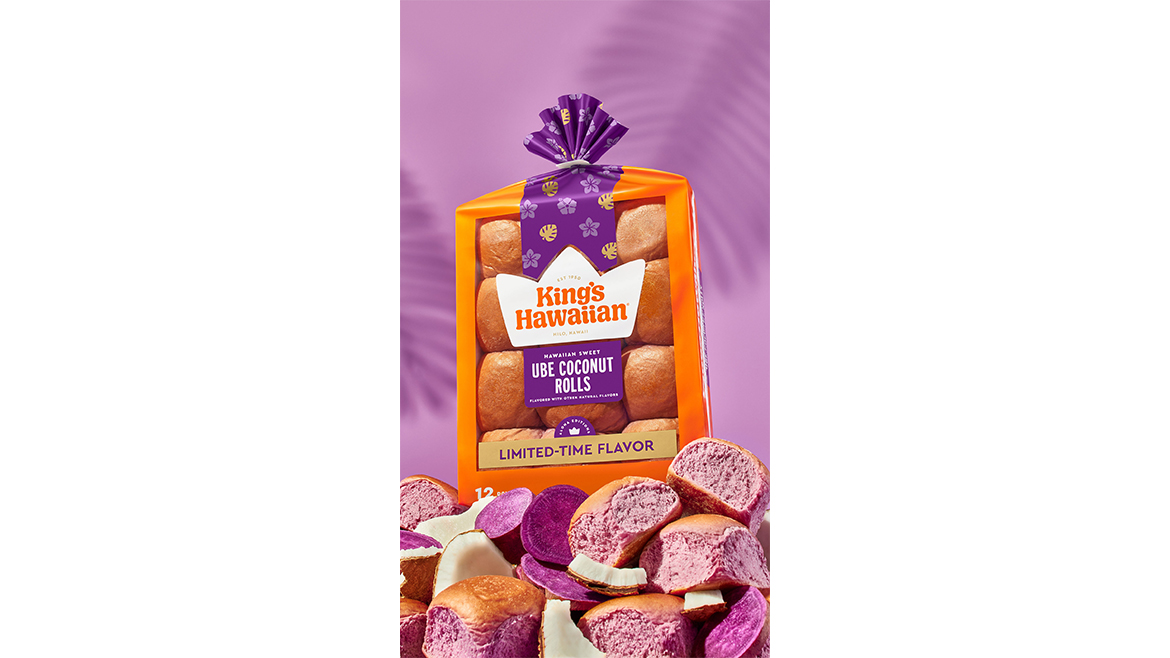 Courtesy of King’s Hawaiian
"We know that our customers are always looking for ways to elevate their culinary creations and make mealtimes feel a bit more special," notes Catherine Danielowich, senior brand manager of Grupo Bimbo brand Artesano. "With our new Potato Hot Dog and Hamburger Buns, and Sourdough Bakery Bread, we're helping to elevate daily mealtimes with the soft, indulgent texture and quality consumers expect from Artesano—without compromising convenience."
LTOs continue to be a popular strategy in the category, with seasonal options for holidays and other parts of the year. King’s Hawaiian recently brought back its Ube Coconut Rolls because they’d been a hit with consumers at retail (and a viral hit on social media).
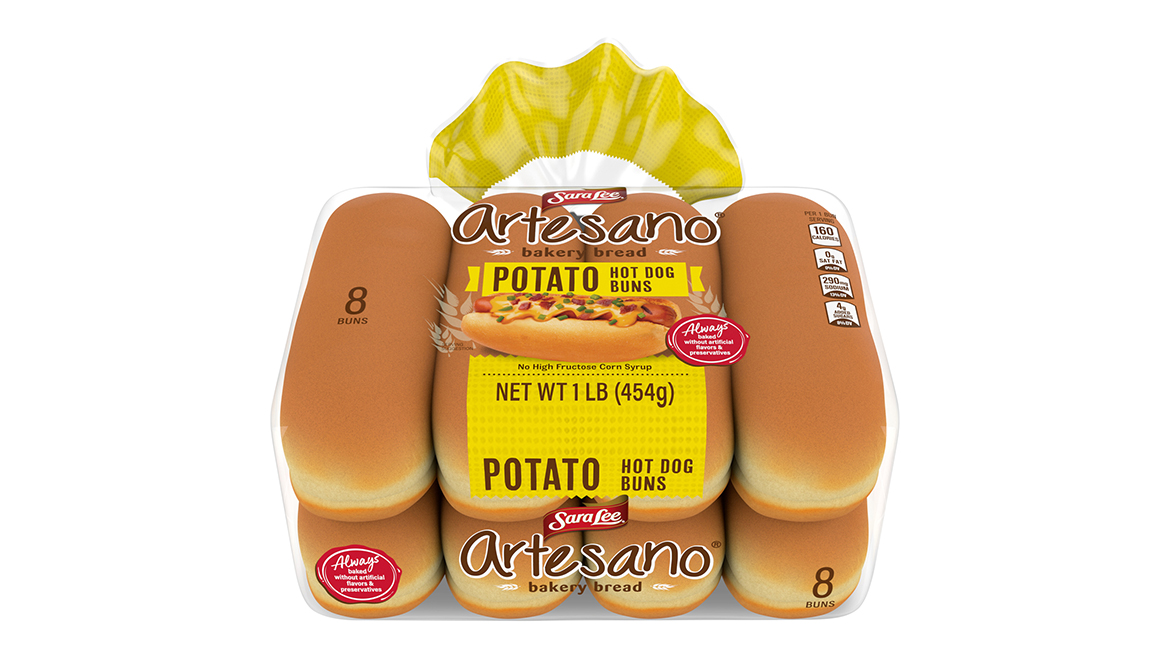 Courtesy of Grupo Bimbo
“We saw the incredible demand for our Ube Coconut Rolls in 2025 when we first unveiled them on our website and they sold out almost instantly," says Raouf Moussa, CMO at King's Hawaiian. "In that moment, we knew we had something special and were determined to bring them to consumers as quickly as possible. Our Ube Coconut Rolls strike the perfect balance of introducing something new while staying true to our roots.”
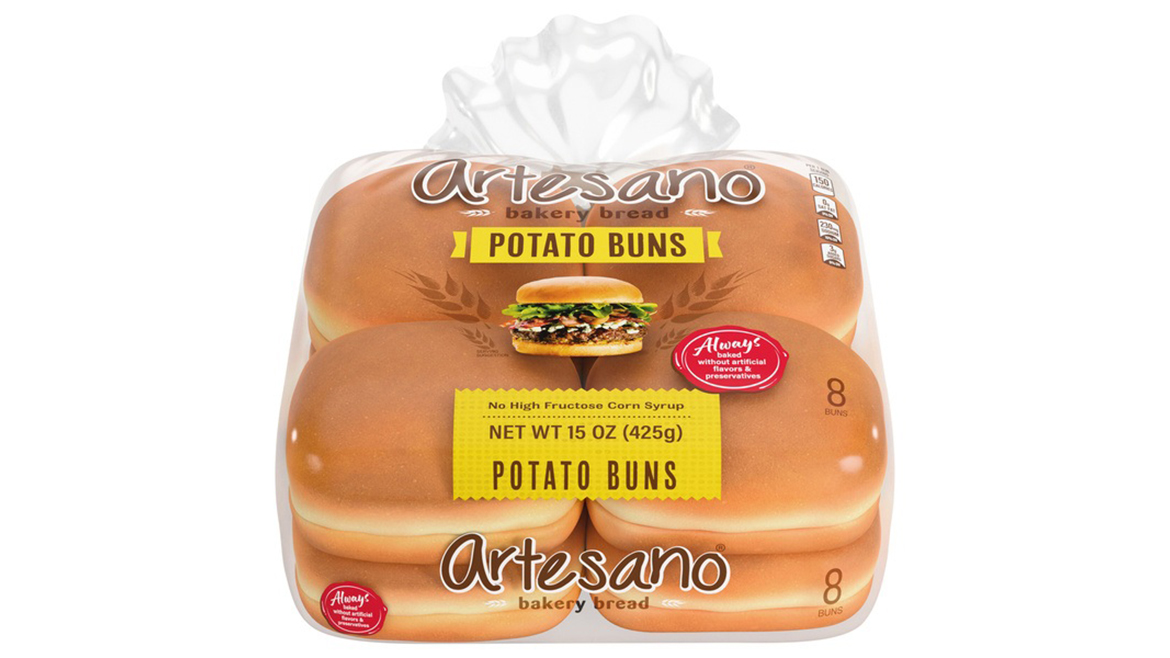 Courtesy of Grupo Bimbo
Looking ahead
As is the case with other categories, producers in the buns and rolls arena are cautiously optimistic about the upcoming year, with their eyes cast on coming out with products that hit the marks consumers want them to aim for. Trends to look out for include:
- Better-for-you bites: consumer interest in clean-label eating, high-protein products, boosted fiber content, and other aspects will likely drive innovation as well as sales
- Premium products: U.S. shoppers still want restaurant-quality meals at home, without the need to leave the comfort of their own domiciles
- Flavorful options: aside from white and wheat options, people are more interested in ever in Hawaiian rolls, onion buns, jalapeno-cheddar, and other tastes
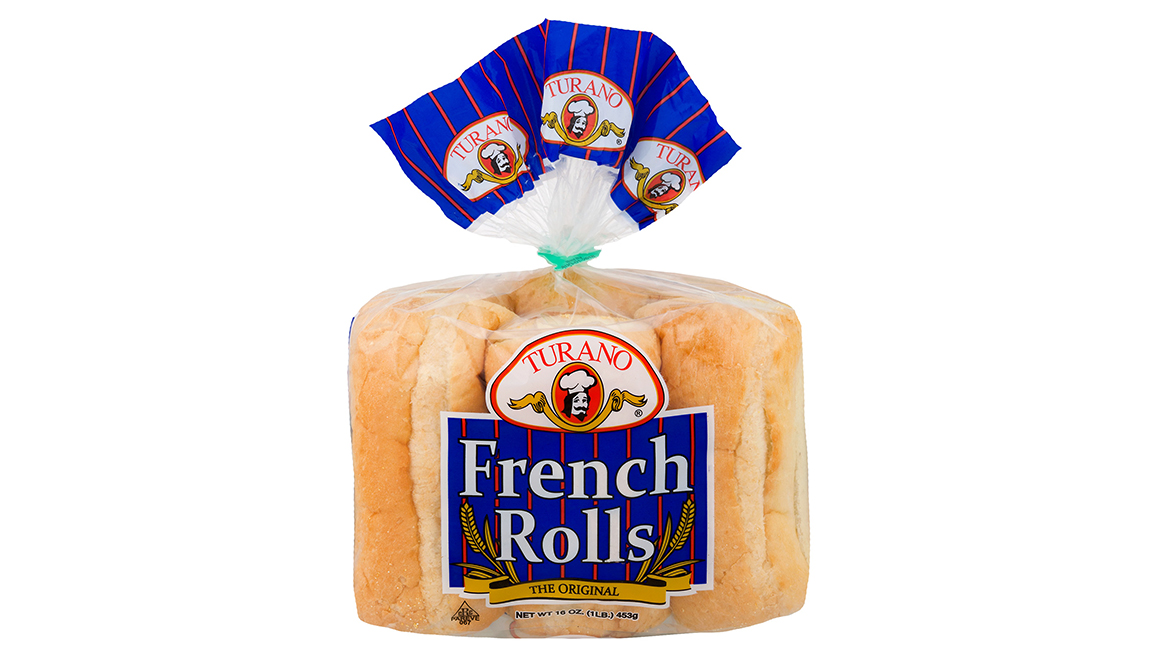 Courtesy of Turano Baking Co.
While conventional buns and rolls continue to attract consumer attention, products that offer better-for-you appeal—clean-label ingredients, protein boosts, high fiber content, and more—have been gaining traction. Mason Dixie Foods is one company has continued to aim for that space, with rolls, biscuits, breakfast sandwiches and other items.
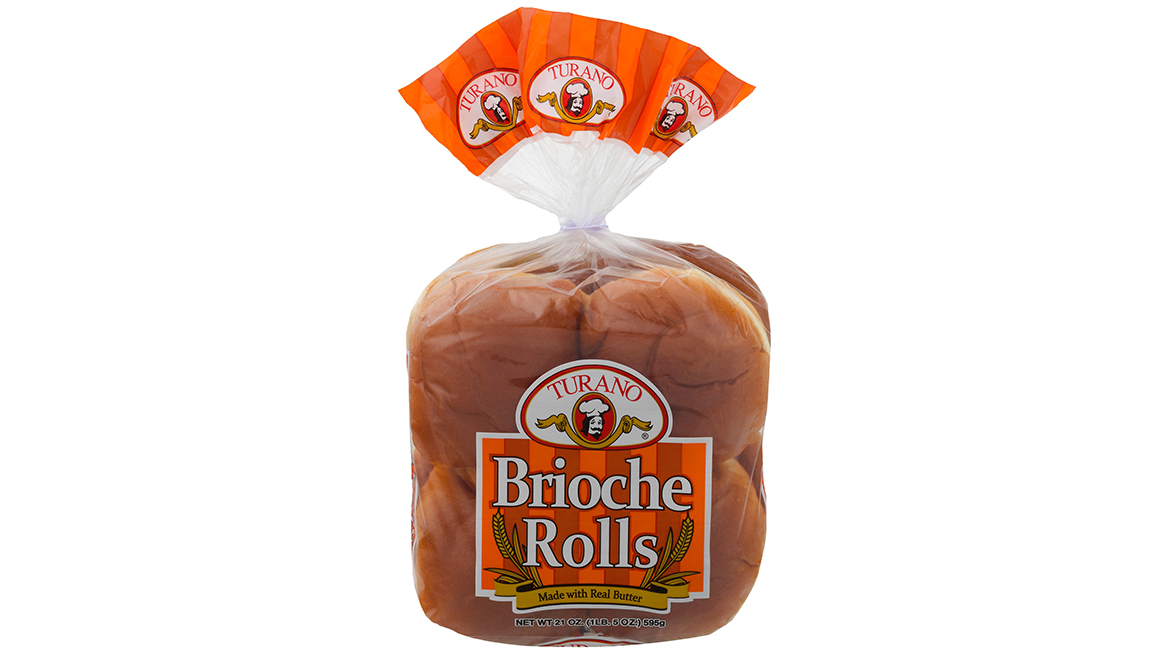 Courtesy of Turano Baking Co.
“From day one, we've been committed to clean-label products made with real butter, fresh dairy, and quality ingredients you'd find in your own kitchen," says Ayeshah Abuelhiga, founder and CEO at Mason Dixie Foods. "Just look at the back of most packaging in the frozen food aisle today—even products labeled 'natural' often contain 30 plus ingredients, many of them unnecessary additions like natural flavors, acids, and gums.”
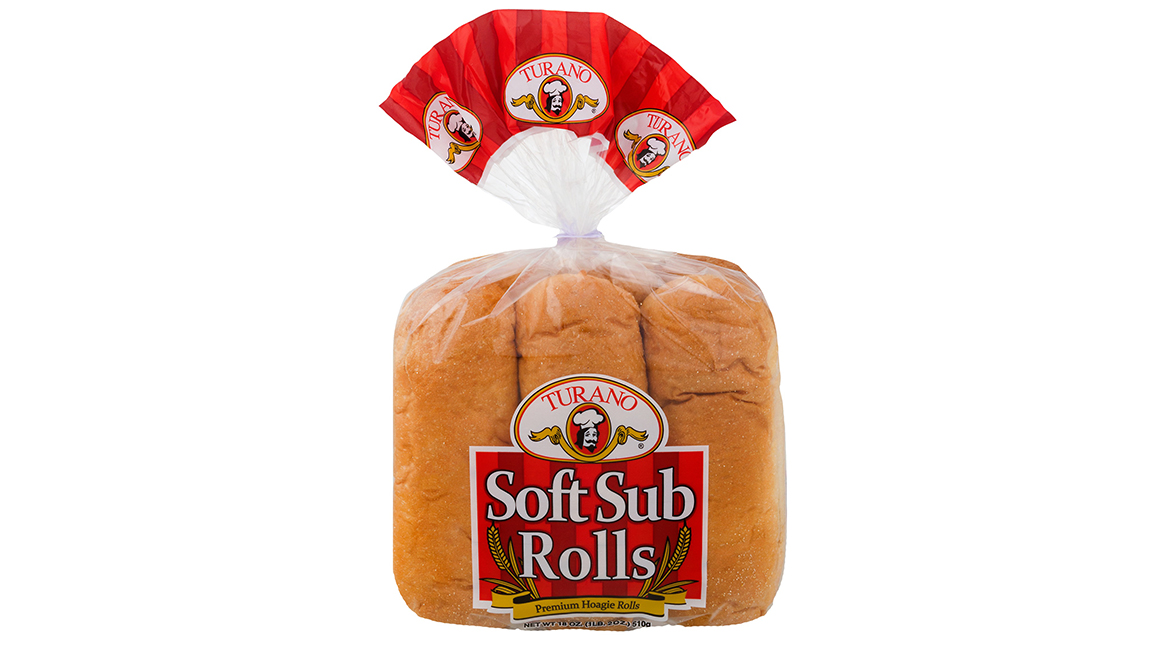 Courtesy of Turano Baking Co.
Earlier this year, Grupo Bimbo announced its intention to hit numerous health goals, including phasing out artificial colors by the end of 2026. The company has stated most of its buns, rolls, and other bakery items already are free of artificial flavors.
“We continue making solid progress toward our health and wellness targets,” says Rafael Pamias, CEO of Grupo Bimbo. “By year-end, we expect 100% of our bread, buns, and breakfast portfolio to deliver positive nutrition, achieving a Health Star Rating of 3.5 or higher. Looking ahead, we are expanding our focus with a bold goal: by 2026, all our products will be free from artificial colorants. And by 2030, we aim for 100% of our baked goods and snacks to be made with simple, natural recipes—ensuring our products remain safe, nutritious, affordable, and accessible to families around the world.”
Looking for a reprint of this article?
From high-res PDFs to custom plaques, order your copy today!