State of the Industry 2026: Bread shifts towards healthier alternatives
The product is becoming more of an intentional purchase, driven by quality ingredients.
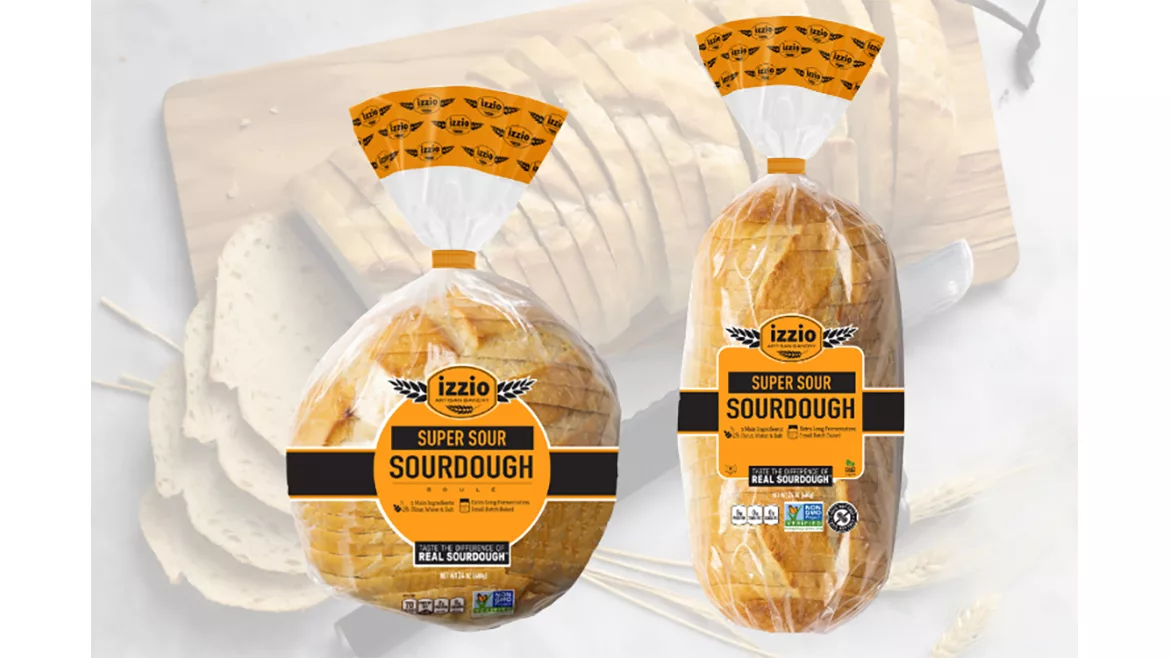
“Have your bread and eat it too” is not exactly how the saying goes, but perhaps it should be. Rather than cutting the often carb-laden product from their diets, consumers instead have been searching for better-for-you options, such as sourdough.
“Bread is increasingly becoming more of an intentional purchase, driven by quality, ingredients, and overall tasting experience,” shares Sara Kafadar, chief commercial officer at Izzio Artisan Bakery. “Shoppers are moving away from commodity sandwich breads and actively seeking cleaner-label bread options that feel more purposeful and satisfying.”
Market data
The bread category overall held steady over the past year, according to Circana data from the past 52 weeks, ending on April 19, 2026.
The center store breads category took in $11.5 million with a 2.1% decline. The center-store sandwich bread subcategory brought in $9.9 million of that chunk but also suffered a loss of 2.4%. Major players included Grupo Bimbo ($2.8 million in sales, with a drop of 2.8%), Flowers Foods ($2.6 million, a 5.4% decline), and private label ($2 million, a very slight decline of 0.4%).
In the center store crusty/meal bread subcategory, which took in $676 million (a bright spot, up 3.9%), private label reigned king ($418 million in sales, a 5.5% increase), with Grupo Bimbo bringing in $68.6 million (a 0.8% drop) and Flowers Foods garnering $36 million (a 3.9% decline).
Other things of note:
- The center store sweet bread subcategory brought in $469.5 million, but was down 4.5% in sales, with private label dominating ($148.2 million, down 3.4%) and The Campbell’s Co. on its heels, with $104.3 million (a 5.5% decline)
- All other center store breads took in $296.6 million (a 2.5% decline), with Grupo Bimbo garnering $119.5 million, albeit at an 8.6% loss. Some standouts here, though, with Flowers Foods ($10.3 million) up by 2.4%, and Heidelberg Baking Co. ($5.2 million) increasing by 43.8%.
- Center store panini/ciabatta/focaccia bread garnered $43.2 million, with a modest 2.2% increase, and private label was responsible for more than half of that, with $29.2 million and a nice 8% increase.
- Center store specialty bread grabbed $35.9 million, with an 8.3% uptick. Of note: an astonishing 981.3% increase by Bauducco Foods Inc. ($2.7 million in sales), and private label taking in $6.8 million, with a 6.5% upturn.
- Center store Hispanic bread was small but mighty, with $2.8 million in sales and a 6% increase. 460 Bread Inc. was the breadwinner (no pun intended), with $736,000 and 17.5% in growth.
Looking back
“Our breads are rooted entirely in true, artisan sourdough baking—not just sourdough flavor like others on the market,” shares Kafadar. “By extending sourdough across artisan sliced loaves, heat and serve, and sandwich formats, Izzio has turned a high-growth bread type into a scalable platform that differentiates in-store, while simultaneously bringing new shoppers into the bakery set.”
Sourdough has emerged as the clearest signal of premium quality, offering digestibility, and authentic craft, she adds.
In January 2026, the brand released its new line of Organic Artisan Sandwich Breads. The Non-GMO Project Verified loaves are made with living sourdough cultures, slow fermentation, and start with the same three ingredients as all Izzio breads—freshly milled custom unbleached flour, water from the Rocky Mountains, and salt. Varieties include Sourdough, Classic White, Whole Wheat, Ancient Grains, Sprouted Seeds, and Lucky 7 Multigrain, with two new offerings on the way.
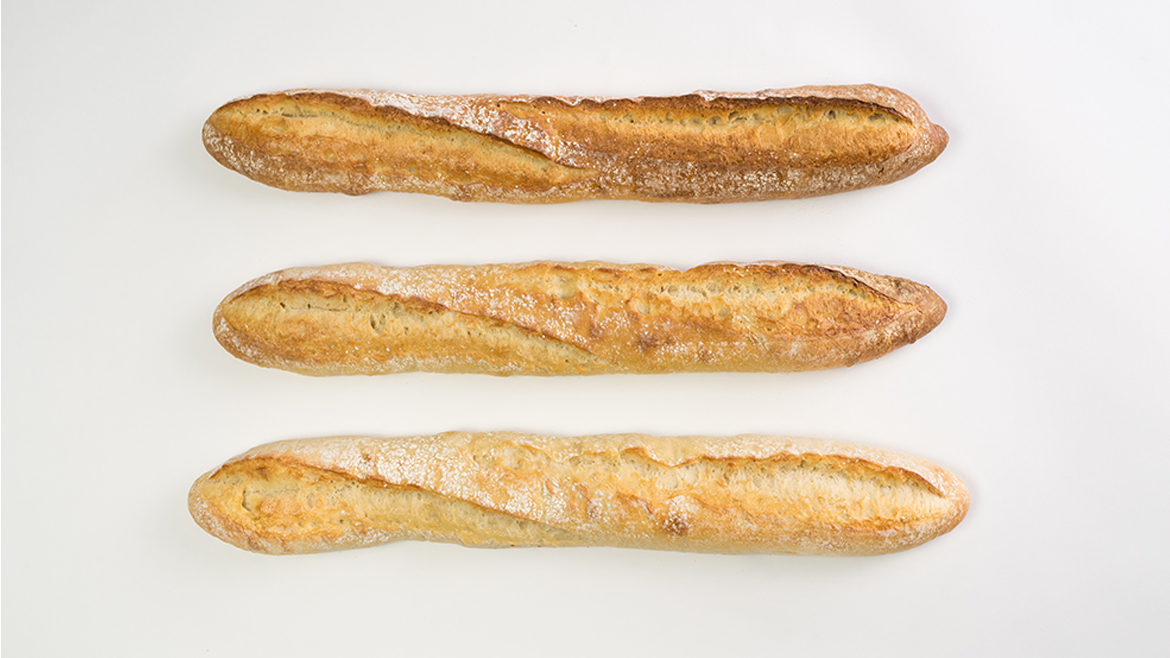 Credit: La Brea Bakery
Jon Davis, head of culinary and VP of R&D at La Brea Bakery (an Aspire Bakeries brand), agrees with Kafadar, saying consumers are now looking for higher-quality, better-for-you bread options at home, including sourdough, which has contributed to sales at a healthy, steady pace in the last year.
“Fermented foods are having a moment right now, as people have become much more aware of ultra-processed foods and what actually goes into them,” he explains. “Fermentation represents time-honored methods, simple ingredients and processes easier for consumers to understand, and we’ve seen transparency become a non-negotiable.”
As new bread brands continue to emerge onto the market, the challenge for La Brea Bakery is always to remain innovative and true to its roots, Davis notes: “Our approach to R&D is renovation and innovation. By renovation, we’re always looking for and analyzing new ingredients that can improve the quality of our breads. Within innovation, we’re continuing to stay current with flavor trends and challenge what artisan bread can be.”
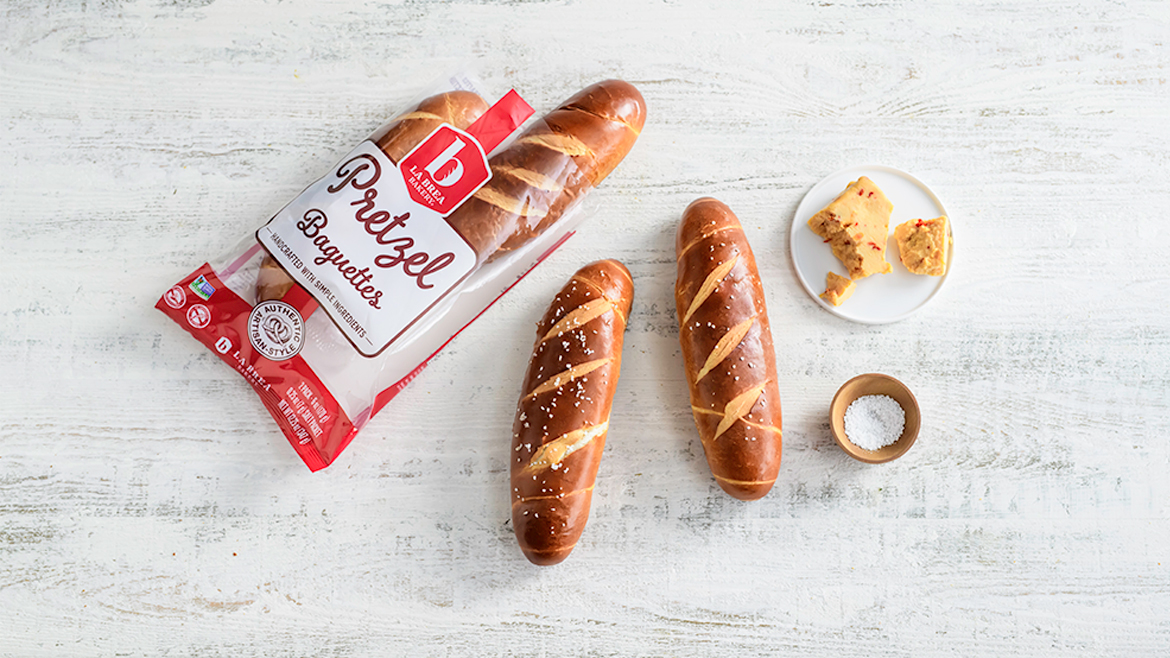 Credit: La Brea Bakery
Last year, La Brea launched Soft Pretzel Buns & Baguettes, which combine an authentic recipe with its dedication to handcrafted, simple ingredients. While the brand is constantly researching and developing new breads it thinks will resonate with consumers, its six loaves born from the original 1989 sourdough starter continue to be customer favorites today.
Additionally, broader wellness and weight-loss trends are reinforcing a shift toward higher-quality bread occasions. Rather than eliminating bread, consumers are being more selective, choosing breads that deliver greater satisfaction, versatility, and meal relevance, notes Kafadar. This shift favors the authentic, real sourdough breads that Izzio bakes, she adds.
“Looking ahead, we see the most opportunity in continuing to align with how consumers are redefining bread’s role in their lives—not just as a staple, but as a meaningful part of the eating experience,” she adds. “Brands that can deliver on both function and craft, while remaining adaptable to evolving preferences, will be best positioned to drive growth in an otherwise mature and shifting category.”
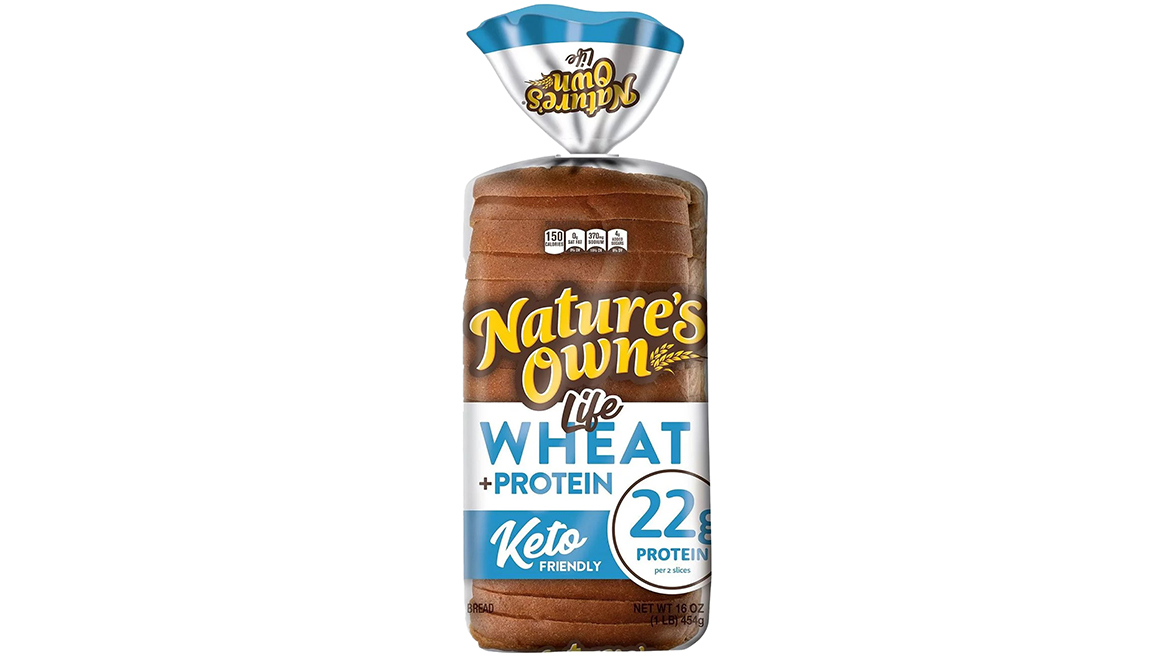 Courtesy: Flowers Foods
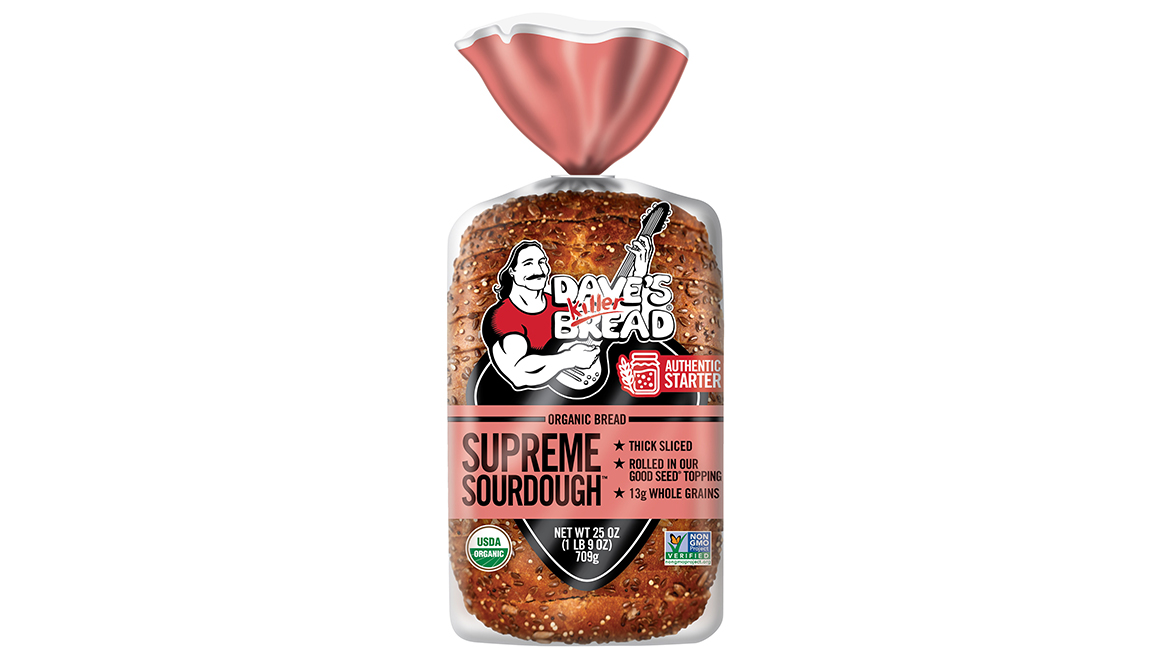
In May, Nature’s Own (a Flowers Foods brand) introduced a new, simpler recipe across its entire product portfolio, and refreshed its brand look to reflect its commitment to “Real. Soft. Bread.” The updated recipes include up to 38% fewer ingredients than before, and the full portfolio is now Non-GMO Project Verified. The reformulation comes as new research commissioned by Nature's Own shows that parents see bread as an opportunity to make better choices for their families, with a majority (80%) saying they are willing to switch brands to find options made with simpler ingredients.
 Courtesy: Flowers Foods
“This milestone represents a significant achievement for both our team and our customers. With this relaunch, Nature’s Own becomes the largest Non-GMO Project Verified loaf product in the market—a first at national scale—and reinforces our leadership in the better-for-you segment,” notes Ryals McMullian, chairman and CEO of Flowers Foods.
Looking forward
Davis anticipates the bread market will continue to expand to include new brands and flavors and is cautiously optimistic that the market as a whole will continue to flourish.
 Courtesy: Lewis Brothers Bakeries
“I predict fermented foods will continue to be top of mind for consumers given the health benefits associated with a long fermentation process. ‘Fibermaxxing’ is also something we’ll continue to see consumers gravitate towards versus brands who tend to use additives,” he notes. “Consumers have become more knowledgeable about bread and realize that an extended shelf life does not equate to quality. Because of this, we’ll see consumers continue to look for authentic bread made with simple, high-quality ingredients.”
The future of bakery is being shaped by a shift toward breads that simultaneously deliver on health, taste, and quality, agrees Kafadar: “We anticipate continued growth in sourdough breads, along with clean ingredient decks featuring simple, recognizable components.”
Overall, the category is moving towards breads that not only help people eat well, but live well, too, she notes, predicting artisan bread will continue to expand in the following areas:
- Everyday categories and formats, particularly the center-store bread aisle, where there's a significant opportunity to replace conventional products with higher-quality breads.
- Across more usage occasions, from quick weekday meals to entertaining. Breads that combine convenience with artisan quality will be especially important.
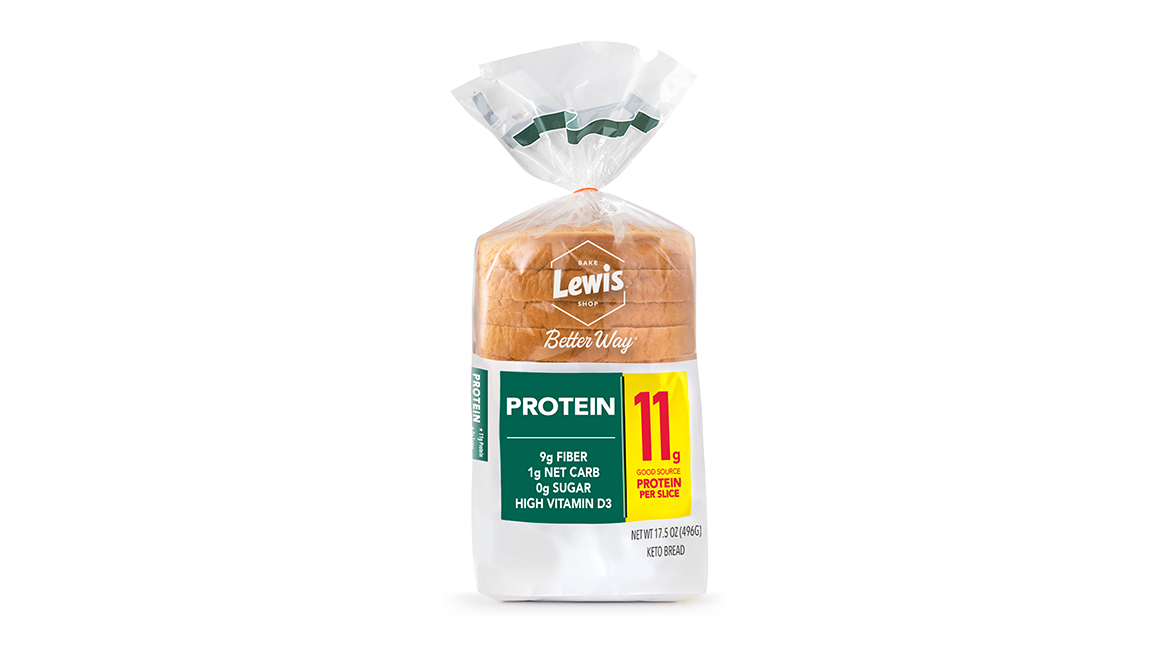
Similarly, Flowers Foods will continue to lean into faster-growing, BFY segments, says McMullian: “We [will] continue to build on our leadership in specialty offerings, including our position as the number one keto bread brand nationally, while expanding our presence in functional innovation through the national launch of protein breads. These products align with evolving consumer preferences and represent important drivers of future growth.”
In the company’s first quarter earnings remarks, he shares it sharpened price points within its Wonder Bread portfolio to help narrow pricing gaps in key areas of the category. While near-term pressures remain, the company believes these actions will position it to improve its performance over time.
In terms of food safety, one area La Brea Bakery continues to wrangle with is how to educate consumers about the misinformation surrounding “sourfaux,” an emerging trend over the last few years, notes Davis.
“Because there’s no regulated universal standard for defining sourdough, we’ve seen commercial breads label their bread sourdough even though they haven’t used a true sourdough starter,” he warns. “There are tools and ingredients that can be leveraged to expedite the commercial process (like using vinegar to add sour flavor). We continue to caution consumers to look at the ingredient label and if it doesn’t include ‘sourdough culture’ and/or does include yeast on the ingredient list, it’s not authentic sourdough.”
In addition, Kafadar says the category is still navigating an ongoing perception challenge, as bread is often scrutinized within broader conversations around carbohydrates and processed foods: “This places added importance on clear communication around quality, craft, and health. It’s not about eating less bread, it’s about better bread, and Izzio offers exactly that.”
Looking ahead, the brand will continue to explore ways to push boundaries while staying rooted in authentic, long fermentation.
“One [product] we’re especially excited about is our Super Sour Sourdough, [coming in] June—a bold, deeply flavorful loaf with tang, crafted for sourdough lovers who crave a more pronounced fermented profile,” Kafadar shares. “These new breads deliver the complexity consumers are increasingly seeking, while remaining craveable and balanced and offer the craftsmanship and quality that defines Izzio breads.”
Looking for a reprint of this article?
From high-res PDFs to custom plaques, order your copy today!