Consumers seek snacks with sustainability in the mix: Sensient
A representative from the supplier shares insights on snackers’ top priorities.
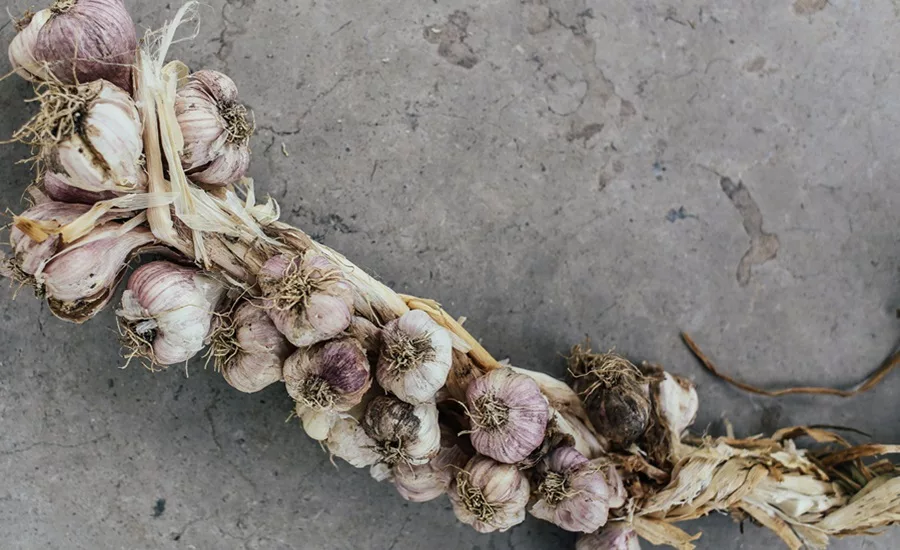
Photo: Rachel Claire/Pexels
Sustainability is important to snackers—according to Aret Meyer, general manager with Sensient Natural Ingredients, planet-friendly properties are important attributes when Americans shop for snacks. To learn more, Snack Food & Wholesale Bakery connected with her about what consumers look for in their snacks and how suppliers can help producers deliver the right recipe.
Jenni Spinner: Could you please share a bit about Sensient—what it does, the products you offer, and what capabilities you offer for snack and bakery producers?
Aret Meyer: Sensient Natural Ingredients is a major producer of dried California onion, garlic, and parsley, with a long history of supplying capsicums and chili varietals to the snack and bakery industry. With over a century of experience, the company leverages advanced technologies and global supply chain to provide clean, natural ingredients. Sensient’s focus on quality and industry trends helps ensure its ingredients meet the evolving preferences of today’s consumers.
JS: Let’s talk about sustainability—how important is it for consumers to have options in their bakery and snack buys that offer planet-friendly bona fides?
AM: As the snack category continues to expand, it’s increasingly common for snacks to serve as meal replacements. Consumers expect the same level of choice and consideration in their snack options as they do with other food categories. When analyzing consumer purchasing behaviors in 2024, the “environmentally friendly” claim ranked number one, “sustainable packaging” as number two, and “no artificial or chemical ingredients” as number three. Just as sustainability has become a priority for meals, it’s just as important for snacks and bakery items.
JS: Then, if it’s important to consumers, it’s usually important to the makers of such products. Could you please talk about what sustainability looks like for a company putting out tasty snack and bakery treats?
AM: Prioritizing clear sustainability messaging on packaging can boost performance by meeting consumer expectations for planet-friendly products. For companies producing snacks and bakery treats, sustainability can take many forms, and empowering members of the supply chain is a key part of that.
Snacks often have long and complex supply chains, so sustainability for companies in this industry requires an understanding of those supply chains. This may involve an assessment of the energy, biodiversity, and labor impacts on the farm; a process for flagging suppliers with less transparent supply chains and practices; ongoing technological and procedural improvements to reduce energy use in manufacturing; or even strategic planning for raw material and finished-good shipping to minimize the distance a product travels before it gets to a consumer.
Sensient Natural Ingredients has been strategically simplifying the agricultural supply chain for decades to make sustainability initiatives like advancements toward regenerative agriculture and the sharing of energy-efficient technology much more accessible to us, our suppliers, and our customers. To maintain this strategy of continuous improvement, we regularly assess our greatest sustainability-related risks and opportunities and have developed a roadmap for addressing them in a prioritized manner. By understanding the supply chain, we can take more intentional and efficient steps toward building a sustainable food system.
JS: How can Sensient help producers improve the sustainability of their items? Feel free to talk about specific products, overall benefits in your product portfolio, consulting, anything at all.
AM: Sustainable product design is one of the five foundational pillars of Sensient’s Sustainability program. We’ve established an internal checklist, consisting of more than 90 questions, that directs our innovation experts to optimize resource use, reevaluate raw material selection for potential supply chain risks, and meet the sustainability-related needs of our customers. One hundred percent of our innovation projects go through this checklist, and we are more than happy to leverage this tool to help a customer upgrade their portfolio.
A significant advantage we offer is the local production of our dehydrated products within the USA. Local production means a more transparent, low-risk supply chain and a reduction in transportation emissions. Additionally, our proprietary high-solid onion seeds are a testament to our commitment to sustainable agriculture. While traditional onions in regions like India average around 14% solids, our seeds produce onions with 25% solids. This means we require fewer acres of land, less water, less energy, and overall fewer resources to produce the same amount of flavorful product.
Furthermore, we generate minimal byproducts, and any organic materials that remain are repurposed as natural compost, enriching our soil and supporting regenerative farming practices.
By choosing Sensient Natural Ingredients, producers gain a partner dedicated to sustainable innovation. Whether it’s through our locally sourced products, efficient use of natural resources, or commitment to reducing waste, we help brands meet their sustainability goals and respond to growing consumer demands for planet-friendly products.
JS: You mentioned earlier Sensient’s track-and-trace capabilities on your products—why is that information useful for companies with sustainability concerns and goals?
AM: Our track-and-trace capabilities provide companies with direct, transparent insight into our supply chain, making it easier to address sustainability concerns and meet their goals. Because we work directly with the farms, there’s no need to navigate through multiple suppliers or intermediaries. This streamlined approach means we can quickly and accurately answer questions about sourcing, growing practices, and overall sustainability efforts.
Transparency is key, and our system allows for straightforward auditing and verification. Companies don’t have to deal with multiple critical control points (CCPs) or layers of oversight, making traceability simple and reliable.
It’s also about accountability. By maintaining a direct relationship with our growers and overseeing every step of the production process, we ensure that our products are handled responsibly. There’s no uncertainty about who is involved or duplicity of who is handling our product.
JS: Do you have any advice for sustainability-minded producers before we say goodbye?
AM: There are plenty of great options and alternatives for sustainably minded producers, but one of the most valuable choices is to work with a partner who offers transparency and accountability. Simply labelling products as “environmentally Friendly” lacks universally established standards, leaving companies susceptible to accusations of “greenwashing.” American agriculture has a rich legacy of responsible farming, and partnering with companies that prioritize local sourcing can make a significant difference.
There is real magic in knowing who grew the food in your products and a huge advantage in being able to trace your ingredients back to their source. When you can, find partners who can provide complete visibility and align with your mission to support local farming communities.
Sustainability isn’t just about reducing environmental impact; it’s also about fostering transparency and building strong, trustworthy relationships across the supply chain.
Related: Consumers look for natural sweetness in their snacks and baked goods
Looking for a reprint of this article?
From high-res PDFs to custom plaques, order your copy today!