PPM, Key Technology unveil integrated potato chip line
The processing line is intended to help processors deal with high-volume demands.
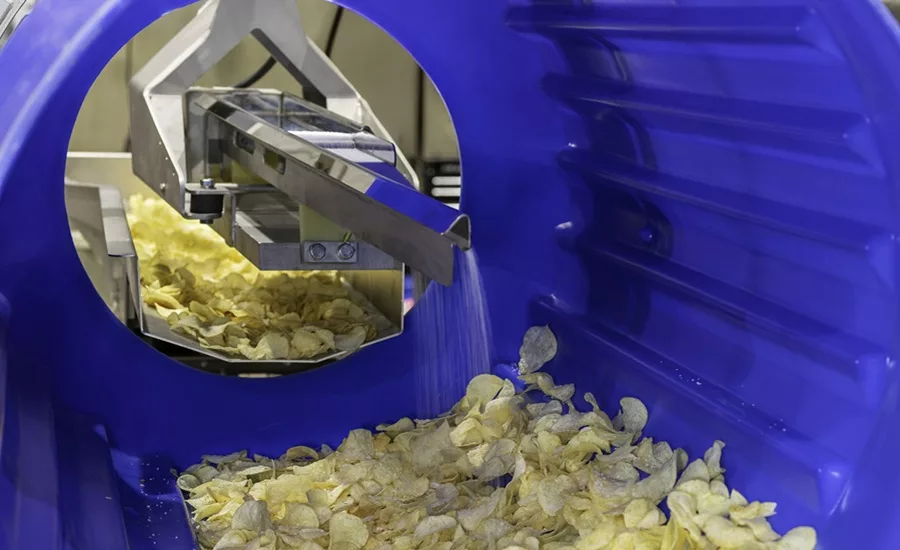
PPM Technologies and Key Technology (both Duravant companies) have introduced a fully integrated potato chip processing line. Designed for processors managing raw material variability, labor shortages, and the coordination demands of high-volume chip production, the line brings together PPM's frying, seasoning, and product handling capabilities with Key's advanced optical sorting technology into a single, unified solution. From slicing through packaging, this integrated line reportedly helps achieve consistent product quality, recover more usable product, reduce labor requirements, and offer single-source accountability with global support.
“Potato chip processing lines that hold up under challenging conditions aren't just well spec-ed,” says Daniel Luna, director of processing at PPM Technologies. “They're built by partners who understand what each stage demands, can anticipate future needs, and are committed to making those technologies work as one cohesive unit. PPM and Key have two of the longest histories in the potato chip industry, and their depth of expertise doesn't just show up at startup—it’s there through the life of the equipment.”
According to the companies, PPM's frying technology anchors the line. Processors producing kettle-style chips use the BatchWright batch fryer, which is designed to provide exacting control over the full frying curve to deliver the texture, color, and flavor profiles consumers expect from premium kettle chips. Processors producing conventional potato chips use the CookWright continuous fryer, which features customizable heating, belt, and filtration configurations to meet each processor’s application needs and goals. Both fryers are equipped with advanced oil filtration in order to extend oil life and reduce operating costs, along with clean-in-place capability that limits downtime during sanitation.
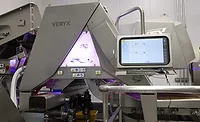
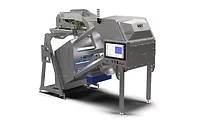
After frying, optical sorting is the last opportunity to remove defects and foreign material before product reaches packaging. Combining multi-channel sensor data and multi-wavelength strobing technology, Key’s Compass sorter reportedly identifies dark spots, green discoloration, and white knots as well as fryer debris without the more complex laser-based systems that can increase maintenance costs. Recipe-driven operation, simplified controls, and an open sanitary design are said to help processors sustain consistent inspection performance while reducing training requirements, cleaning time, and maintenance burden across long production runs.
From inspection, product is transferred to PPM's versatile FlavorWright All-in-One seasoning system, which applies liquid and/or dry seasoning immediately before the weigh scale and packaging equipment. Since any coating inconsistency at this stage reportedly passes directly into the finished product, FlavorWright All-in-One’s precise application controls are optimized to achieve consistent coverage across every batch. The system handles the full range of chip seasoning applications, from simple salt to complex multi-stage treatments using specialty oils, slurries, and powders. Quick-release components reportedly support changeovers in as little as five minutes, and IP65-rated washdown capability is intended to keep sanitation straightforward across frequent flavor changes.
PPM's slice feeder is at the front of the line and equipped with a dual-auger feed conveyor to meter whole potatoes into the slicer at a controlled rate to better produce uniform slices for consistent frying. A coordinated network of PPM conveyors then connects each subsequent stage, with horizontal-motion conveyors moving chips gently between steps to minimize breakage and seasoning loss, and vibratory conveyors metering product accurately to multi-head weighers at packaging. Recirculation conveyors can also be integrated to keep product moving when a scale or packaging machine goes offline, helping processors avoid waste and maintain uptime during real production disruptions.
Beyond the conveying network, each element of the line is configured to fit the processor’s plant layout and production requirements. Centralized and local controls give operators real-time visibility across the line. Key Discovery software collects and analyzes data about every object passing through the COMPASS sorter, helping processors identify and address trends in yield, reject rates, raw material variability, and upstream equipment performance.
Related: Efficiency and easy changeover top the list of seasoning and coating must-haves
Looking for a reprint of this article?
From high-res PDFs to custom plaques, order your copy today!