Snack and Bakery logo
search
cart
facebook twitter linkedin youtube
  • Sign In
  • Create Account
  • Sign Out
  • My Account
Snack and Bakery logo
  • SNACK PRODUCTS
    • New Products
    • Chips
    • Crackers
    • Frozen Snacks/Appetizers
    • Nuts & Trail Mixes
    • Popcorn
    • Pretzels
    • Puffs/Extruded Snacks
    • Tortilla Chips
    • Other Snacks
  • BAKERY PRODUCTS
    • New Products
    • Bars
    • Breads
    • Breakfast Products
    • Cookies
    • Desserts
    • Pizza
    • Muffins
    • Snack Cakes
    • Sweet Goods
    • Tortillas
  • INGREDIENTS
    • New Ingredients
    • Chocolate
    • Dairy
    • Extruded
    • Flavors & Colors
    • Fruit
    • Functional
    • Grains
    • Inclusions
    • Nutritional
    • Nuts & Seeds
    • Sweeteners
  • EXCLUSIVES
    • EQUIPMENT
      • New Equipment
      • New Technology
      • Belts & Conveyors
      • Depositors, Dividers & Rounders
      • Extruders
      • Fryers
      • Laminators & Sheeters
      • Mixers
      • Inspection & Detection
      • Ovens & Proofers
      • Packaging
      • Slicing, Cutting & Portioning
    • State of the Industry
      • State of the Industry: Snacks
      • State of the Industry: Bakery
    • Bakery of the Year
    • Snack Producer of the Year
    • Top 50 Snack & Bakery Companies
      • Submit Your Company
  • TRENDS
    • Artisan Baking
    • Better-For-You
    • Cannabis Edibles
    • Clean Label
    • Flavor Trends
    • Food Safety
    • Gluten-free
    • Keto
    • Plant Efficiency
    • Sustainability
  • MORE
    • Blogs
    • Case Studies & Advertorials
    • Classifieds
    • Newsletter
    • Ingrained Insights Podcast
    • SFWB Store
    • Image Galleries
    • Submit New Products
    • Videos
    • Webinars
  • DIRECTORIES
    • SFWB BUYER'S GUIDE
    • CANDY BUYER'S GUIDE
    • Get Listed!
    • Take a Tour
  • CANDY
  • SIGN UP!
    • eMagazine
    • Archive Issues
    • Advertise
    • Contact
    • SIGN UP!
Columns

Great grains in the Hispanic world
By Sylvia Klinger
September 16, 2013

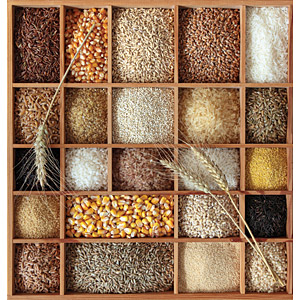
Great grains in the Hispanic worldWhen Columbus first sailed to America, its inhabitants had already developed more than 200 types of maize.

The Inca Empire in South America was the largest empire in the Americas. Quinoa, which is native to the Andes, was an important part of the Incan diet. Corn, another staple of the Incas’ diet, traveled southward from Mexico.

The Mayan civilization prevailed on Mexico’s Yucatan Peninsula. For the Mayans, corn was not only a main source food source, it was also symbolic.

For the Aztecs, who lived where Mexico City is today, corn meant food. The amaranth plant was also important in Aztec religious rituals and cuisine.

In Colonial times, native cuisines began to change as the Spanish introduced foods to and exchanged cooking practices with Native Americans. Grains introduced by Spaniards included wheat, rice and barley, spurring the popularity of breads, pasta and rice-and-beans dishes.

Today, grains are the most important staple throughout Latin America, with one or two standing out as the primary staple in each region: Corn in Mexico; rice in Central America and the Caribbean; and wheat and rice in South America.

Ancient grains, modern solutions

As far as the health of Hispanics in the U.S. is concerned, some dietary studies document their limited consumption of several key nutrients. However, the greatest nutritional problem facing Hispanics is excessive calorie consumption combined with low physical activity.

Despite the high consumption of “refined grains” in the U.S., which many correlate with the excessive calorie intake of Hispanics living in the U.S., Americans—including Hispanics—still have a number of nutrient deficiencies. Many of these nutrients are found in enriched and whole grains.

According to Food Navigator, today’s food trends include products high in protein and ancient grains. These grains offer health benefits that are as important to the Hispanic population as to any other population. They help prevent cancer, heart disease and high blood pressure. When eaten as whole grains, most of these grains are rich in fiber, which can aid in weight loss.

Two ancient grains that have been part of the cuisine of Latin countries for many years, but were left aside after the colonization of the countries, are amaranth and quinoa. New food trends make these grains more available at grocery stores, so they can be reincorporated into the Hispanic diet.

Amaranth is grown in Mexico and other Central American countries and offers near-complete protein content. Amaranth isn’t as low in the amino acid lysine as corn, but it is much richer in iron, magnesium and calcium than most grains. The tiny grain can help prevent anemia and osteoporosis. It’s an excellent source of fiber (mostly insoluble), which helps reduce the risk of such diseases as heart disease, certain cancers and digestive-tract conditions. It’s also a naturally gluten-free grain.

Quinoa, a grain-like crop, is grown primarily for its edible seeds. Quinoa was the Incas’ gold because they believed it increased their warriors’ stamina. It has significant amounts of both lysine and isoleucine, the latter of which is another essential amino acid, which allows the protein in quinoa to serve as a complete protein source. In addition, quinoa’s antioxidant and anti-inflammatory phytonutrients make it a likely candidate for cancer-risk reduction in humans. It’s also a naturally gluten-free grain. 

Sylvia Klinger, MS, RD, LDN, a food and culinary consultant and founder of Hispanic Food Communications in Hinsdale, Ill., was assisted this month by Livia Ly, a dietetic student at the University of Illinois, Chicago.

KEYWORDS: ancient grains

Share This Story

Looking for a reprint of this article?
From high-res PDFs to custom plaques, order your copy today!

Recommended Content

JOIN TODAY
To unlock your recommendations.

Already have an account? Sign In

  • cookies stacked

    The top 50 snack and bakery companies of 2024

    The top-selling companies among baking and snack players...
    Snack Products
    By: Jenni Spinner and Liz Parker Kuhn
  • IHOP new menu inspired by "IF" movie

    Most popular new products: May 2024

    Products range from a Reese’s Puffs collaboration with...
    Snack Products
    By: Liz Parker Kuhn
  • state of the industry bakery: 2024

    State of the Industry 2024: Bakers continue to show resilience and creativity

    For the past several years, the baking industry has faced...
    Bakery Products
Manage My Account
  • eMagazine Subscription
  • Manage My Preferences
  • Newsletter
  • Online Registration
  • Subscription Customer Service

More Videos

Popular Stories

SOI Bakery 2026

State of the Industry 2026: Challenge Accepted

Crumbl kicks off summer with Chocolate Strawberry Cups

Crumbl kicks off summer with Chocolate Strawberry Cups

Perfetti Van Melle debuts slate of gum and mint innovations

Perfetti Van Melle debuts slate of gum, mints innovations

Events

August 20, 2025

Breaking the Mold: Fresh Perspectives on Modern Bakery Packaging Solutions

On-Demand Join us for a practical look at how bakeries can modernize packaging lines and better align with emerging retail and environmental demands. Key takeaways:

January 1, 2030

Webinar Sponsorship Information

For webinar sponsorship information, visit www.bnpevents.com/webinars or email webinars@bnpmedia.com.

View All Submit An Event

Products

Natural Food Flavors and Colorants, 2nd Edition

Natural Food Flavors and Colorants, 2nd Edition

Although many foods are appealing, and even perceived as natural, in spite of containing synthetic additives, consumer increasingly prefer food products which are fully natural.

See More Products

global top 100

Related Articles

  • Keeping healthy grains in focus during the holidays

    See More
  • Five steps to capturing the Hispanic market

    See More
  • The rise of intact grains in baked goods

    The rise of intact grains in baked goods

    See More

Related Directories

  • World Cocoa Foundation (WCF)

    The World Cocoa Foundation (WCF) represents over 80% of the global cocoa sector, bringing together companies, farmers, governments and partners to build a sustainable and accessible cocoa supply. By fostering collaboration across the value chain, WCF helps strengthen resilience, improve livelihoods and build trust from farming communities to global brands.
×

Snack on the latest trends, news, and developments!

Stay in the know with Snack Food & Wholesale Bakery, the premier source of information for snack, bakery, and confectionery professionals.

JOIN TODAY!
  • RESOURCES
    • Advertise
    • Contact Us
    • Directories
    • Store
    • Want More
  • SIGN UP TODAY
    • Create Account
    • eMagazine
    • Newsletter
    • Customer Service
    • Manage Preferences
  • SERVICES
    • Marketing Services
    • Reprints
    • Market Research
    • List Rental
    • Survey/Respondent Access
  • STAY CONNECTED
    • LinkedIn
    • Facebook
    • YouTube
    • X (Twitter)
  • PRIVACY
    • PRIVACY POLICY
    • TERMS & CONDITIONS
    • DO NOT SELL MY PERSONAL INFORMATION
    • PRIVACY REQUEST
    • ACCESSIBILITY

Copyright ©2026. All Rights Reserved BNP Media, Inc. and BNP Media II, LLC.

Design, CMS, Hosting & Web Development :: ePublishing