Achieving greater efficiency in snack food and bakery plants can come from a variety of different initiatives. The initial design and construction of facilities can be thoughtfully laid out and executed with efficiency in mind.
The Food Allergen Labeling and Consumer Protection Act of 2004 (FALCPA) identified eight major food allergen categories that accounted for more than 90 percent of all documented food allergies in the U.S.
FDA classifies coconut as a tree nut though it is a botanical fruit.
September 18, 2019
The Coconut Coalition of the Americas has launched an initiative to remove coconut from the U.S. Food & Drug Administration’s list of tree nuts, which are considered major food allergens under federal legislation.
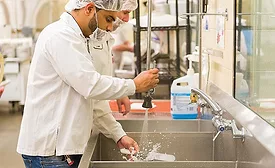
Controlling allergens is vital in snack and bakery facilities that seek to remain 100 percent allergen-free. The first step is to establish best practices, as well as regularly testing the production environment and finished products for presence of allergens.
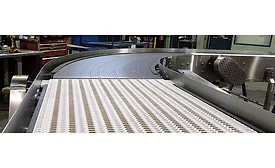
Snack food and bakery companies looking to purchase belts and conveyors are asking for larger capacity, quieter machinery, improved safety, greater energy efficiency the ability to reduce manpower, and, thus, costs.
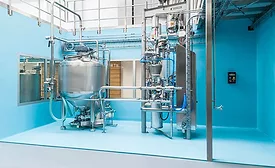
Ingredient handling equipment, such as batchers, hoppers, pneumatic conveyors, sifters, sorters and storage silos, helps snack and bakery operations store, refine, prepare, measure and transport ingredients, streamlining production.
According to FDA, more than 160 foods can cause allergic reactions in people with food allergies. In the U.S., federal regulatory bodies identify eight most-common allergenic foods, which FDA says account for 90 percent of allergic reactions related to food.
A quick survey of the food marketplace identifies a range of foods that fill specific market niches such as dairy-free, nut-free, peanut-free, egg-free and even allergen-free.