The U.S. retail snack industry is currently valued at nearly $40 billion, accounting for sales of salty snacks like chips, popcorn, pretzels, puffed/extruded snacks and tortilla chips, as well as crackers, frozen grain-based snacks and appetizers like pizza rolls, and snack mixes and nuts.
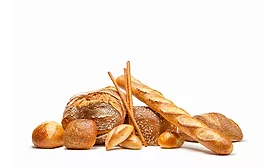
Passion underpins the dedication to invest the time and resources required to bake bread with unmistakable Old World artisan flavor, appearance and texture. And strong business sense leads such bakers to judiciously capitalize on the technological tools available to help bring those truly artisan breads to a wide customer base without compromising craftsmanship.
According to the U.S. Environmental Protection Agency's Energy Star program, the domestic baking industry consumes an estimated $800 million worth of purchased fuels and electricity per year, as noted in its guide, "Energy Efficiency Improvement and Cost Saving Opportunities for the Baking Industry" (Nov. 2016 update, available on www.energystar.gov).
As the artisan bread movement continues to gain momentum across the U.S., one of its most-ancient forms—sourdough—is garnering more-widespread attention.
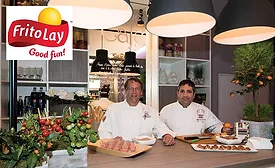
Back in the early 1930s, when Charles Elmer Doolin started The Frito Company and Herman Lay started H.W. Lay & Company, they were establishing the groundwork for a snack empire. The two companies merged in 1961, and four years later joined forces with The Pepsi-Cola Company to create PepsiCo, which operates Frito-Lay as a subsidiary.