Consumers want more from their bread: Corbion
An expert from the food solutions firm talks trends, challenges, and ways to connect.
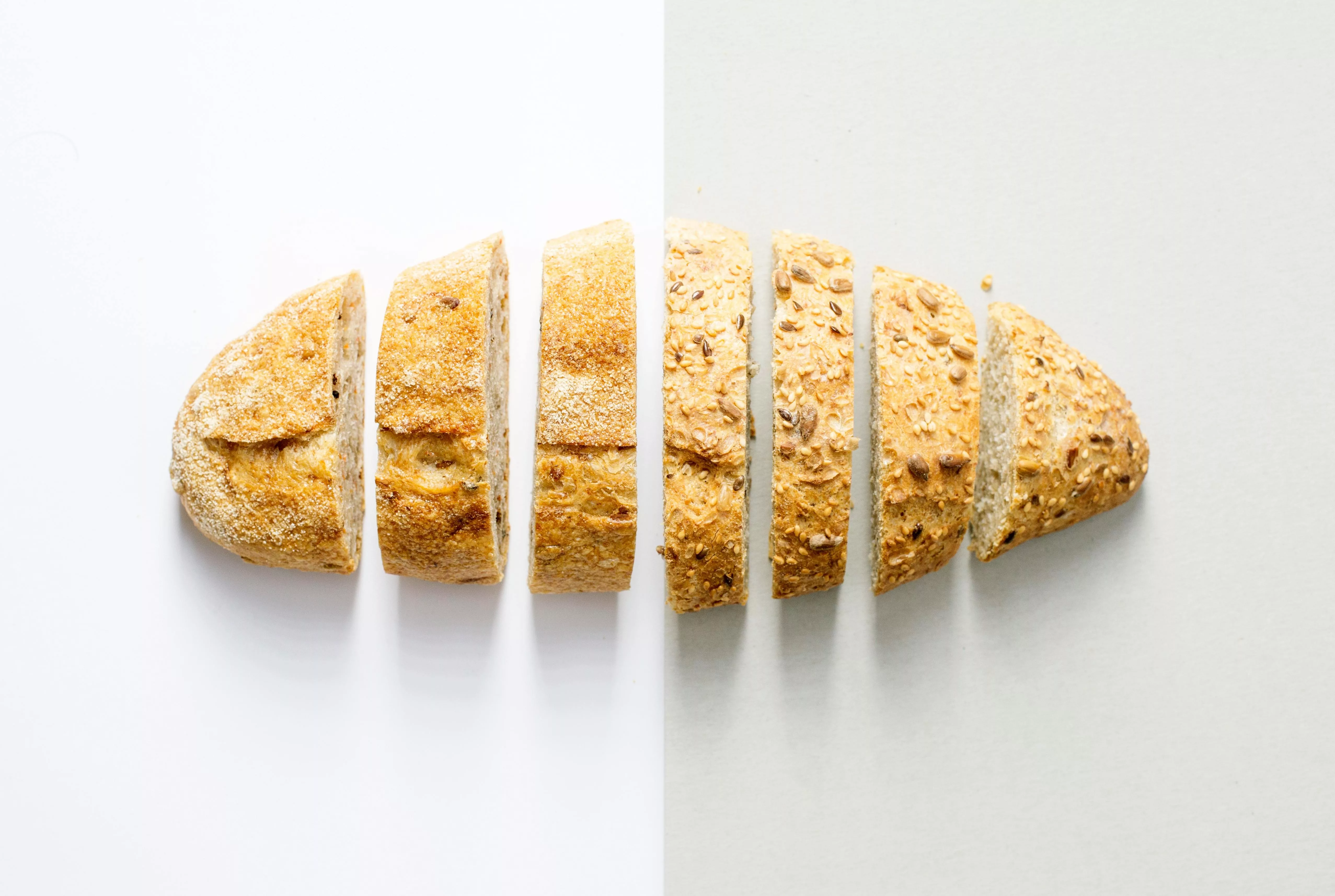
When looking to buy a loaf of bread, the typical consumer is looking for more items to tick off their must-have list than in the past. These qualities include better-for-you benefits, freshness, premium quality, clean labels, and more. We recently connected with Sophia Simecka, marketing manager, Corbion, to learn more about how preferences around breads have changed in recent years, and solutions to draw these demanding consumers in.
Jenni Spinner: Consumers are still buying bread, both in the center and perimeter. Could you please talk about how their interests/preferences in bread buys have evolved in recent years?
Sophia Simecka: Consumer interest in bread has not gone away, but where and why they buy it is shifting. In recent years, we have seen a clear pull toward the perimeter as shoppers look for a more elevated, bakery-like experience that signals quality and craftsmanship. These products often feel more “made today” through visual cues like in-store baking, simpler merchandising, and a format that mirrors a traditional bakery.
At the same time, many consumers are using freshness and transparency as shortcuts for value. Perimeter breads typically carry a shorter shelf life, which can reinforce perceptions of freshness and a cleaner label, even when shoppers are not reading every ingredient line. The result is a market where the center store remains essential for convenience, consistency, and everyday affordability, but perimeter options are increasingly capturing incremental trips tied to premiumization, sensory appeal, and a desire for simpler, more recognizable choices.
JS: What are some of the challenges that producers are facing in delivering what consumers want in their breads? Feel free to talk about everything from BFY interests, shelf-life extension, increasing desire to avoid anything artificial-sounding, balance of premium quality and value pricing, etc.
SS: Producers are operating in a high-expectation environment where consumers want breads that deliver on taste, texture, and freshness while also checking multiple boxes on label and nutrition. One of the biggest challenges is that many of the solutions that help protect quality over time do not always align with the desire for short, familiar ingredient statements. Shoppers want bread that stays soft and enjoyable through the best-by date, but if a product lasts “too long” in their mind, it can create skepticism about how it was made.
That tension matters because shelf life is an operational lever. A few additional days can reduce waste across the supply chain, improve service levels, and protect margins for both retailers and bakers. The challenge is delivering those benefits while meeting rising expectations around ingredients that sound simple, recognizable, and trustworthy.
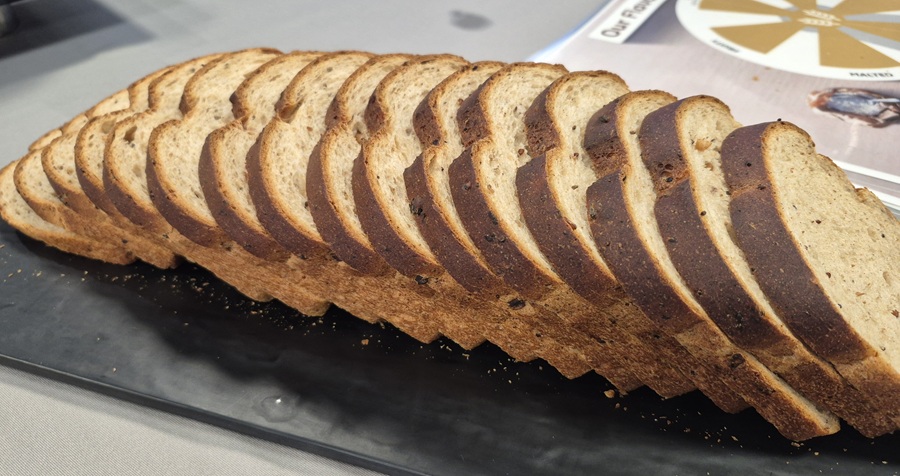 Photo: Jenni Spinner
Better-for-you adds another layer of complexity because it is not one definition. For some shoppers, it is portion guidance or fewer calories. For others, it is whole grains, reduced sugar, or added functional nutrition. Protein has become a dominant conversation in recent years, and interest in fiber is gaining momentum as consumers connect it to satiety and digestive health. At the same time, clean label expectations continue to rise, increasing scrutiny of anything perceived as artificial or unfamiliar. Ultimately, bakers are balancing premium quality and nutrition-forward innovation with value pricing, all while protecting the everyday eating experience that keeps bread a staple.
JS: Could you share some of the way producers and their supplier partners are rising to the challenge, with ingredient specification, formulation adjustment, even packaging innovation, whatever comes to mind?
SS: Producers and their supplier partners are responding with a more integrated approach that combines ingredient design, formulation support, and smarter systems across the supply chain. Ingredient specifications are becoming more targeted, with solutions selected not only for performance but also for how they fit within evolving label expectations and the claims bakers want to make. That includes ingredients that help support better-for-you positioning, while still protecting the taste and texture consumers expect from everyday breads.
On the formulation side, we are seeing more co-development between bakers and suppliers to solve the trade-offs that come with nutrition-forward recipes. Adding protein, fiber, or whole grains can introduce challenges in dough handling, volume, crumb structure, and softness over time. The best outcomes come when partners bring technical expertise to help dial in processing, optimize fermentation, and maintain consistent quality at scale.
Innovation is also extending beyond the formula. Packaging and process improvements can play a meaningful role in protecting freshness, reducing waste, and improving distribution efficiency, without relying solely on traditional approaches that may not align with clean label goals. Overall, the strongest strategies are collaborative: aligning on the desired consumer experience first, then building the right combination of ingredients, processing guidance, and packaging choices to deliver it reliably and economically.
JS: Then, what specific solutions is Corbion putting out there for bread producers? I’d love to hear about new products and solutions, but please feel free to talk about existing solutions, and expertise.
SS: Corbion supports bread producers with a portfolio designed to help them move faster, simplify complexity, and consistently deliver the eating experience consumers expect. As the market continues to shift toward higher protein options, we have expanded our protein mixes and bases to help customers accelerate speed to market with solutions built for performance, taste, and scalability. For bakers who want to build on existing formulas rather than change them entirely, we also offer a protein enhancer base that can be incorporated into current recipes to add protein without requiring a full reformulation.
At the same time, we continue to help bakers balance label expectations with real-world shelf-life needs. Corbion offers natural mold inhibitors, along with clean-label dough improvers and shelf-life extenders that support freshness, softness, and quality over time. Backed by deep technical expertise and collaborative development support, these solutions help producers protect product integrity, reduce waste, and meet the growing demand for bread that aligns with both wellness priorities and label preferences.
JS: What advice do you have for breadmakers looking to release new products, or perhaps optimize existing bread products?
For bakers, the best product launches and renovations usually start with alignment. Get clear upfront on the single most important consumer promise you are trying to deliver, whether that is softer longer, higher protein, more fiber, simpler label, or sharper value. When a project tries to win on every attribute at once, teams often end up paying for it in cost, complexity, or eating quality.
SS: Bring the full cross-functional group in early: R&D, operations, procurement, quality, packaging, sales, and key retail partners when possible. Many reformulations fail late because a decision that looks great on paper creates challenges in processing, shelf-life performance, or ingredient availability. Early alignment helps you avoid expensive retrofits and protects your timeline.
Suppliers should be part of that early conversation. They can help you anticipate where the trade-offs typically show up, such as hydration changes with protein and fiber, dough handling shifts, impacts on loaf volume and crumb, and how preservation choices affect label perception. Lean on them not just for ingredients, but for practical guidance on how to manage the formula-process-package system as a whole.
Finally, do not underestimate the importance of messaging consistency. If you are improving nutrition or simplifying labels, make sure the on-pack story matches what the product delivers in the eating experience. Consumers are quick to try something new, but they come back for the bread that performs the same way every time.
JS: What’s your favorite bread item?
SS: I am a lover of bread in all its forms, so it's hard to pick a specific product. Seriously, it's rare that I would ever turn down a piece of bread. I love a flaky croissant or a really good crusty loaf of bread, but you really can't beat anything fresh out of the oven. A lot of people say they eat with their eyes, but I think in the bakery world, we eat with our noses. If I smell a freshly baked good, my mouth immediately starts watering.
One bread product my house is currently loving is Ozery Bakery's breakfast bun. It's a household favorite for both my kids and my husband and me. I always toast it a little bit before eating, so it's slightly crunchy on the outside and soft and warm on the inside. It's the perfect thing to grab on the way to school and work in the mornings.
Looking for a reprint of this article?
From high-res PDFs to custom plaques, order your copy today!


