Fruits offer benefits beyond flavoring baked goods and snacks
Consumers are drawn to such items for health gains, clean-label appeal, and more.
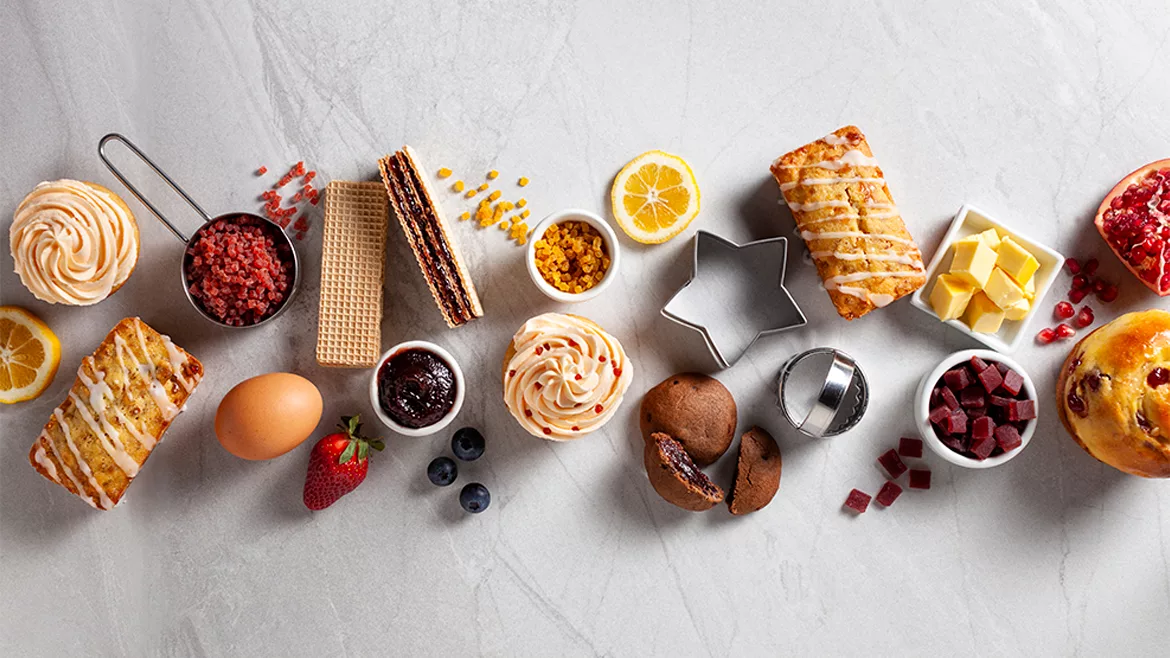
Fruit is the star in a long list of classic baked treats and snacks, enjoyed throughout the day—blueberry muffins on the breakfast table, lemon nutrition bars at snack time, or an apple pie for dessert. However, while consumers continue to crave traditional flavors and indulgent treats, they expect more from fruits, like nutritional benefits and clean-label goodness.
Fruit focus
Here are some of the current and emerging trends around fruit as an ingredient in such items:
- Clean-label items with natural sweetness: By adding sweet taste without the addition of sugar or artificial sweeteners, fruits can appeal to those looking for natural indulgences.
- Eye-catching color: Consumers and regulators alike are looking to avoid artificial coloring; the bright, bold colors often found in fruits can help.
- Exotic flavors: While apple, cherry, orange, and other familiar fruits aren’t going anywhere, consumers with a taste for adventure are digging dragon fruit, guava, and other tastes.
- Swicy elements: The combination of sweetness and heat continues to draw attention, and spice pairs well with fruity flavors.
- Flavors with function and nutrition: Health-minded consumers looking for functional benefits as well as good health have been gravitating to fruit-containing products for gut health, fiber content, and other aspects.
- Sights on sustainability: The continued interest in conserving resources by upcycling fruits has consumers and producers alike in incorporating “rescued” fruits and processing byproducts.
Fruitful focus
Claire Piddington, global product manager for Taura by IFF, fruit does more in today’s snack and bakery products than just imparting items with the tastes of apples, peaches, cherries, and other tasty treats.
“Consumers today expect fruit to play an intentional role beyond simply adding flavor,” she says. “Fruit has become a signal of authenticity, quality, and permissible indulgence, particularly in bakery and snack formats where enjoyment remains central.”
Adena Barber, growth and customer marketing manager for ingredients with Ocean Spray Ingredients (OSI), says with health and wellness among the top drivers of purchasing decisions,
“Consumers want products with real fruit, minimal processing, and transparency around clean labels,” she notes. “Snacking and bakery products that contain fruit are being positioned as more than just delicious but also with an added wellness value. This aligns closely with the growing permissible indulgence trend—consumers want to enjoy foods that feel indulgent, but in ways that align with broader health and lifestyle goals.”
What’s more, Piddington says, fruit delivers on flavor, nutrition, and experiential expectations consumers have when they look for foods to enjoy.
“Shoppers are drawn to products where fruit delivers contrast and character—through natural color, layered texture, and bright flavor that balances sweetness and richness,” she observes. “When fruit ingredients are designed to perform, they can support sugar reduction and simpler ingredient lists without compromising the eating experience. Ultimately, consumers want fruit that feels designed into the product, not added as an afterthought.”
Barber suggests cranberries as a fitting ingredient for delivering on the myriad consumer expectations and desires.
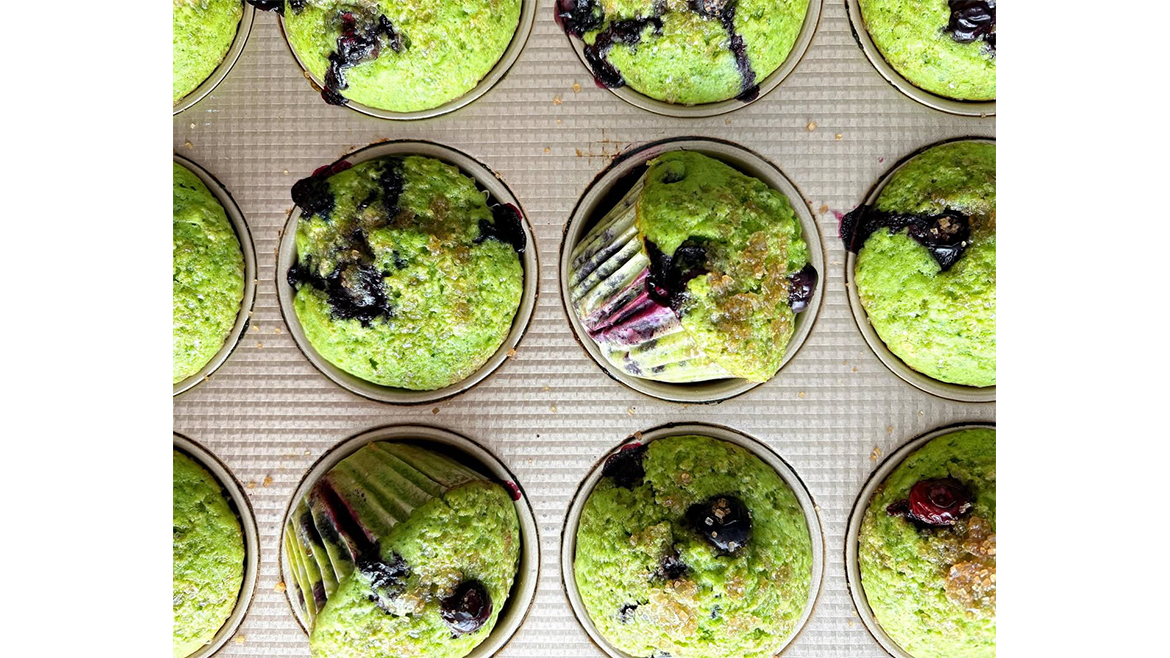 Courtesy of the U.S. Highbush Blueberry Council
“Cranberries are a perfect fruit to meet these demands and add brightness, texture, and a health halo to baked goods or snacks,” she says. “Cranberries are not only delicious but also packed with powerful nutrients and certain well-documented wellness benefits, making them a great addition to a balanced diet and healthy lifestyle.”
Key challenges
If thinking about adding fruit ingredients to a formulation, Piddington advises, producers need to consider how such ingredients will interact with the other components.
“Natural variation in moisture, acidity, fiber, and sugar composition can impact processing stability, shelf-life performance, and consistency if not carefully managed; in baked and extruded formats, fruit ingredients must maintain structure and functionality while integrating with fats, grains, and proteins,” she states. “Moisture migration, piece breakdown, and flavor loss remain common hurdles, particularly in long shelf-life applications where performance must be sustained over time, not just at launch.”
Barber concurs with the long list of challenges bakery and snack manufacturers face when looking to bring in fruits.
“Snack and bakery producers operate in an ever-changing, highly competitive environment,” she notes. “There is a growing demand for better-for-you options; consumers also expect indulgence along with wellness, which can be a challenging balance. With consumer preferences changing rapidly, this forces producers to reformulate and innovate--without compromising taste.”
Adding to the list of things to consider, Barber suggests, is the increasingly savvy eating public.
“With consumers becoming more knowledgeable about what they eat and more demanding about what they purchase, developers must be very thoughtful in how they formulate. Balancing better- for-you, taste, and cost is a technical challenge at times.”
 Courtesy of the U.S. Highbush Blueberry Council
Also, Piddington says, formulators often have to pay attention to a number of requirements, sometimes conflicting, when bringing in fruit ingredients.
“Changes made to support nutritional positioning can affect sweetness perception or texture, while maintaining indulgent taste and visual appeal depends on ingredients that perform consistently within the finished product over time,” she says. “The challenge for producers is not choosing between health and enjoyment but integrating both reliably. Achieving that balance depends on ingredient solutions that are designed to deliver sensory impact, nutritional intent, and shelf-life stability together rather than forcing trade-offs between them.”
Solutions and suggestions
Barber states that while demands and desires of consumer keep evolving, the possibilities available in the ingredient technology space is evolving right with it.
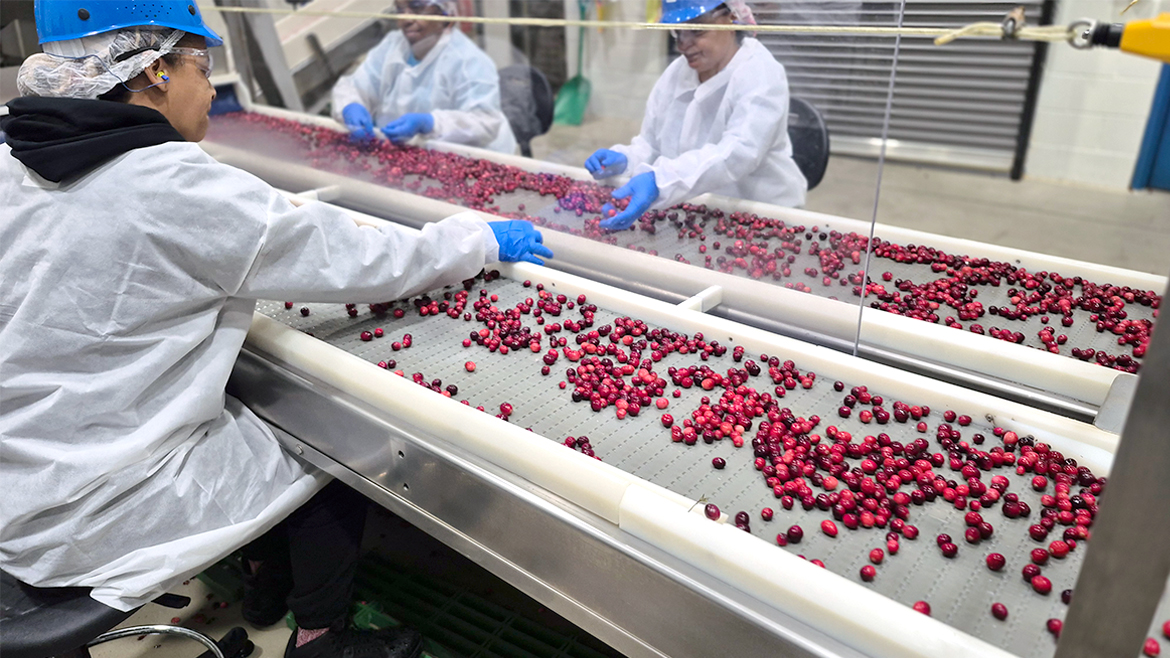 Courtesy of Jenni Spinner
“Developers now have a wealth of tools to utilize to formulate new and exciting products, and suppliers are constantly finding innovative solutions for taste and affordable nutrition,” she says.
Working closely with ingredients suppliers to determine priorities and address concerns can help increase chances of product success while minimizing missteps, according to experts.
“Taura by IFF offers a portfolio of fruit-based ingredients designed for performance in snack and bakery applications, particularly where sugar reduction, nutritional enhancement, and shelf-life stability are required,” suggests Piddington, offering examples of products and solutions to help producers make use of fruits:
- Sugar Reduction Toolbox: Best suited for sweet baked goods, nutrition bars, and cereals, this helps producers with resources to help cut down on added sugars while still maintaining perception of sweetness, texture, and eating quality.
- Puree+: These fruit-puree-based products (geared toward baked goods, snack bars, fruit snacks, and other items) reportedly empower formulators to reduce sugar—supporting simpler ingredient lists and shelf-stable performance than juice concentrates)
- Protein+: Suitable for nutritional bars and various BFY snack formats, this line contains real fruit with plant-based protein, with the reported ability to avoid protein off notes and maintain fruit-forward eating experience.
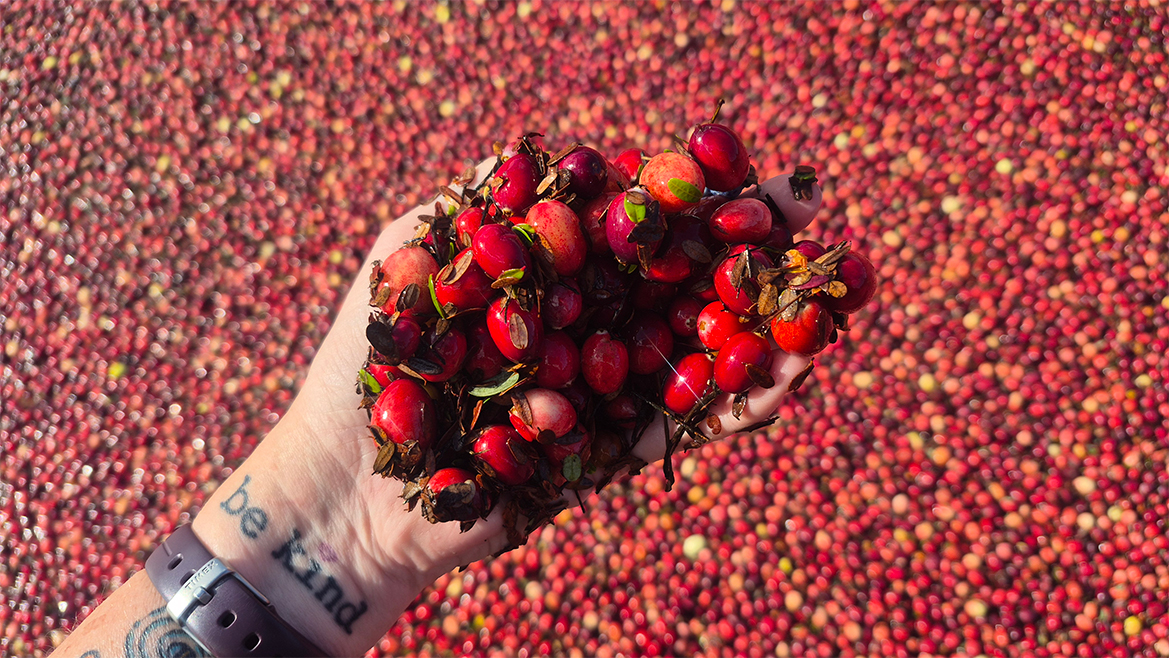 Courtesy of Jenni Spinner
“Taura’s strength lies in partnering with manufacturers to design fruit ingredients that perform within the finished product, delivering sensory impact, nutritional intent, and shelf-life reliability together,” adds Piddington.
Barber offers up OSI’s range of cranberry offerings, which include different formats to choose from.
“Cranberry Seeds are an upcycled product that offers powerful nutrition and a perfect crunch to many applications; Cranberry Seeds are perfect for bars, granola, breads, and confections,” she notes. “Our BerryFusions Dried Fruits are sweetened dried cranberries infused with fruit juices or topically coated with natural flavor—an innovative, cost-effective solution that can replace other dried fruits—great for snack mixes, cereal, quick breads, cookies, and yeast breads.”
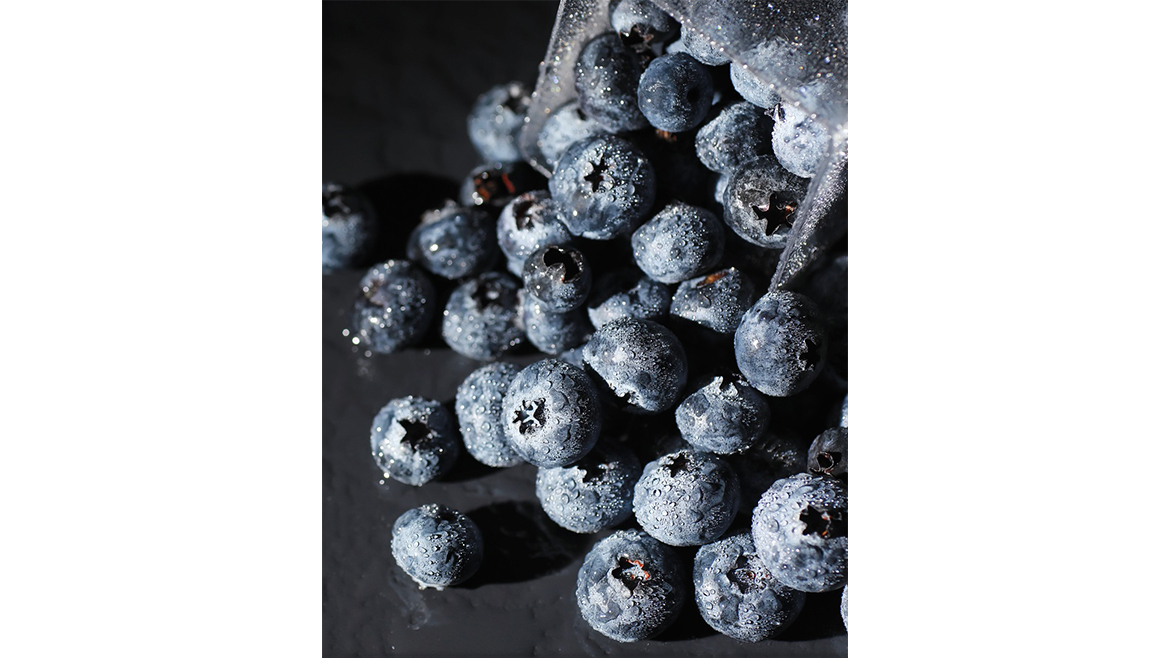
Kasey Cronquist, president of the U.S. Highbush Blueberry Council, suggests the popularity and flexibility of the berry makes it a continued popular choice in muffins, pies, pancakes, and other baked goods.
“Whether fresh, frozen, dried, powdered, infused, or pureed, blueberries deliver a craveable pop of flavor and vibrant color that sparks creativity and elevates any eating experience,” she says. “Their bright hue and bold personality make them a colorful canvas for innovation.”
Parting thoughts
Barber suggests bakery and snack producers look for fruit ingredients that offer versatility, adding that cranberries fit the bill well.
“Beyond their many available formats--sweetened dried, seeds, purées, concentrates--cranberries integrate seamlessly into a wide range of formulations from both a flavor and processing standpoint,” she says. “This tiny fruit delivers a big impact. For producers looking to differentiate, elevate nutritional perception, or add a signature flavor moment, cranberries offer a flexible, reliable, and consumer‑friendly ingredient choice. Don’t underestimate how far you can stretch cranberry’s functionality and culinary imagination.”
“When selecting fruit ingredients, producers should consider how those ingredients will perform across the full product lifecycle—from processing through shelf life,” Piddington advises. “Taking a system level view early helps avoid trade-offs later.”
Looking for a reprint of this article?
From high-res PDFs to custom plaques, order your copy today!