State of the Industry 2026: Snack industry answers consumer cravings
Producers are addressing needs like nutrients, portion sizes, and more.
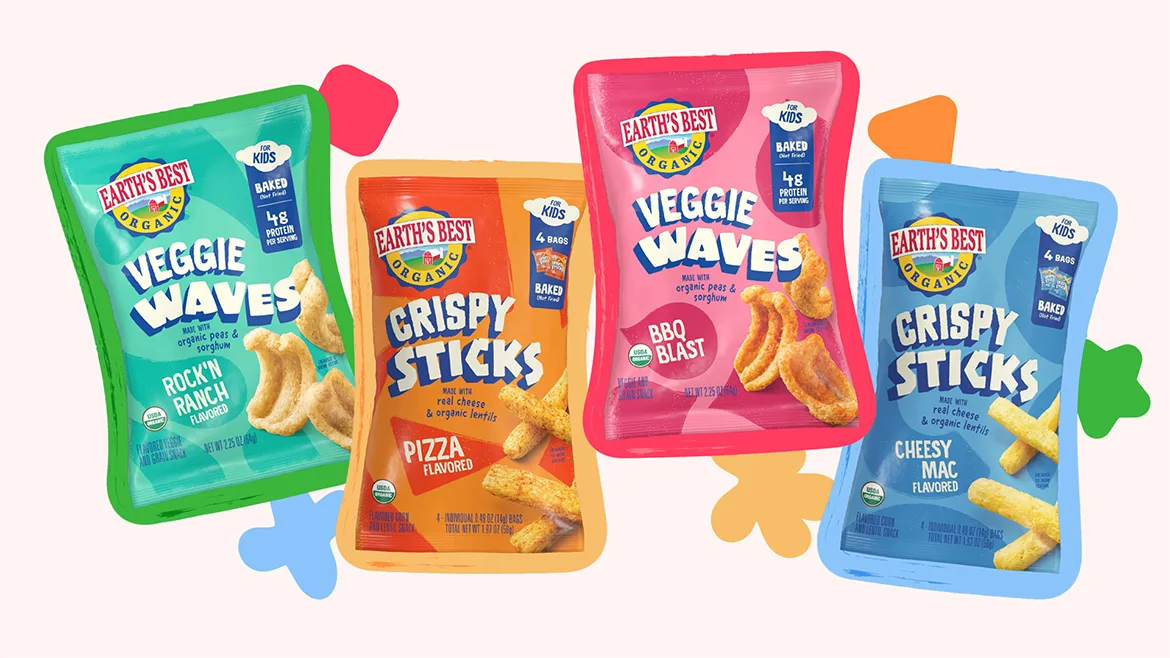
As consumer spending power weakens and expectations increase, the snack industry continues to evolve. Producers remain focused on meeting shoppers’ needs, such as demands related to use of GLP-1 medications, trying to eat more healthfully, or just trying to eat better and focusing on BFY products.
Snack Food & Wholesale Bakery talked to two industry experts for an in-depth look at the snack world, including what’s trending and issues the industry is facing:
Liz Parker Kuhn: Could you share a brief overview of the year in the snack industry—what were some of the common threads running through the industry in 2025/early 2026? Specifically, what were some of the biggest challenges that producers had to wrangle with?
Sally Lyons Wyatt: The snack industry remained resilient in 2025 and into early 2026, but it has been operating in a much more complex environment. Snacking continues to be a deeply embedded behavior, yet consumers have become far more intentional in what they buy and how they spend.
At the same time, the definition of snacking continues to evolve. The snack “universe” is expanding beyond traditional categories, with areas like beverages playing a much larger role—resonating as a snack with more than 65% of consumers. That expansion is creating both new opportunities and added complexity for how the category is defined, measured, and competed in.
The biggest challenge has been navigating the convergence of value pressure, rising health expectations, and ongoing cost inflation. Consumers are balancing tighter budgets with a desire for quality, leading to more selective spending, greater openness to private label, and increased scrutiny of price relative to benefit.
There is heightened focus on ingredients and overall wellness, with growing demand for products that deliver functional and better-for-you benefits without sacrificing taste.
Layered on top of this are persistent input costs, supply chain complexity, and labor pressures, all of which continue to challenge margins and operations. And increasingly, evolving dynamics—including changes to SNAP participation and the growing adoption of GLP-1 medications—are beginning to influence how certain consumer segments approach food, adding another layer of complexity for snack producers.
Tyler Barich: The biggest challenges facing suppliers in the snack category include:
- Rising ingredient costs: some of the key ones include cocoa, chocolate, and protein. Some ingredients suppliers are seeing a shortage and/or historical prices.
- Labor/manufacturing challenges, [including] labor shortages and increased costs for labor: some suppliers have noted issues with co-packers, while others have reached capacity at their own facilities.
- Issues with supply chain: [there have been] higher freight costs and uncertainty with forecasting.
- Private-label competition: private label is no longer only competing on price, but also on quality, and many retailers are doing a great job of innovation and brand loyalty with their private labels. Thus, for emerging brands, they are not only competing with other brands but also private label.
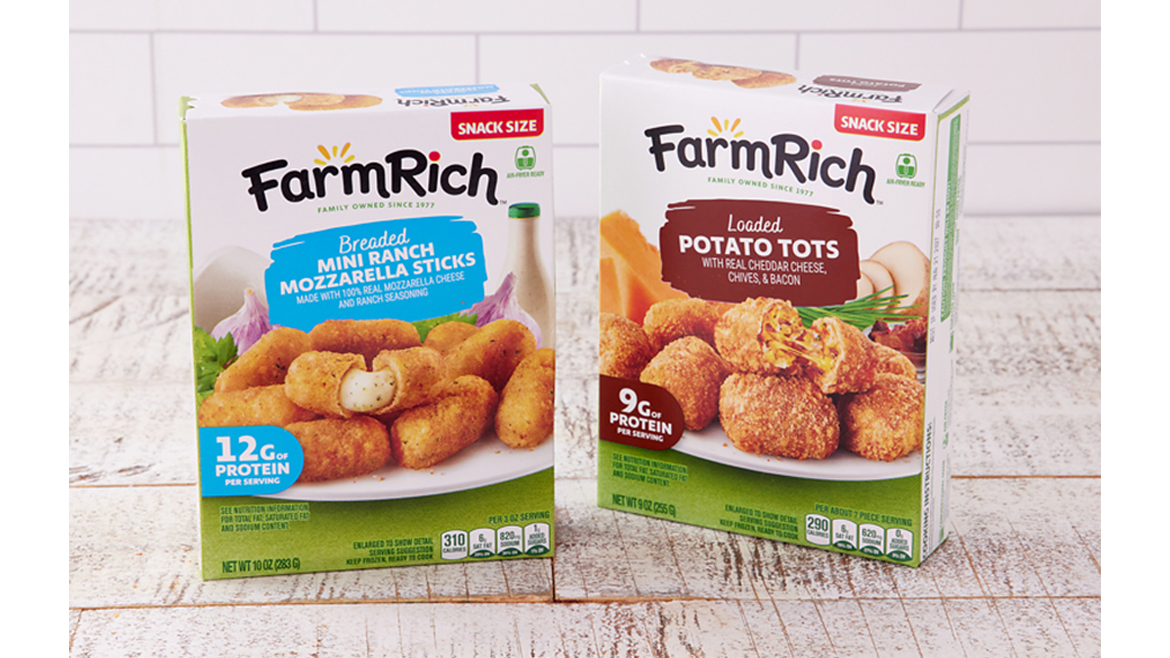 Courtesy of Rich Products
LPK: Please share some of the ways in which snack operations have worked to meet and overcome those challenges or mitigate the effects.
SLW: Snack manufacturers have responded by becoming more precise, flexible, and targeted in how they deliver value and relevance.
A key focus has been on price-pack architecture, with more emphasis on smaller formats, multipacks, and accessible entry price points to maintain affordability while protecting margins. In addition, there has been movement on some brands to reduce prices to help consumers with their pressured budgets. Promotions and private label collaboration have also played a larger role in retaining shoppers.
On the product side, innovation is increasingly centered on delivering “indulgence, function, and even fun”—combining taste and excitement with benefits such as protein, portion control, cleaner labels, and globally inspired, heat-ladder flavors. At the same time, we’re seeing early movement toward addressing evolving need states like satiety, nutrient density, and appetite management, particularly as GLP-1 adoption begins to influence how and why consumers eat.
Importantly, manufacturers are also thinking more broadly about what qualifies as a snack—leaning into adjacent spaces like functional beverages and drinkable nutrition as part of the expanding snacking occasion.
Operationally, companies are investing in efficiency and smarter forecasting, leveraging technology to better manage demand, supply chains, and waste. And they continue to expand across channels, from e-commerce to direct-to-consumer, to meet consumers wherever and however they shop.
TB:
- Diversify channel strategy: convenience, foodservice, colleges and universities, e-commerce.
- Improve supply chain: diversification of manufacturers, lower costs, focusing on efficiencies.
- Adopting AI: [incorporating AI] into their business to operate more efficiently.
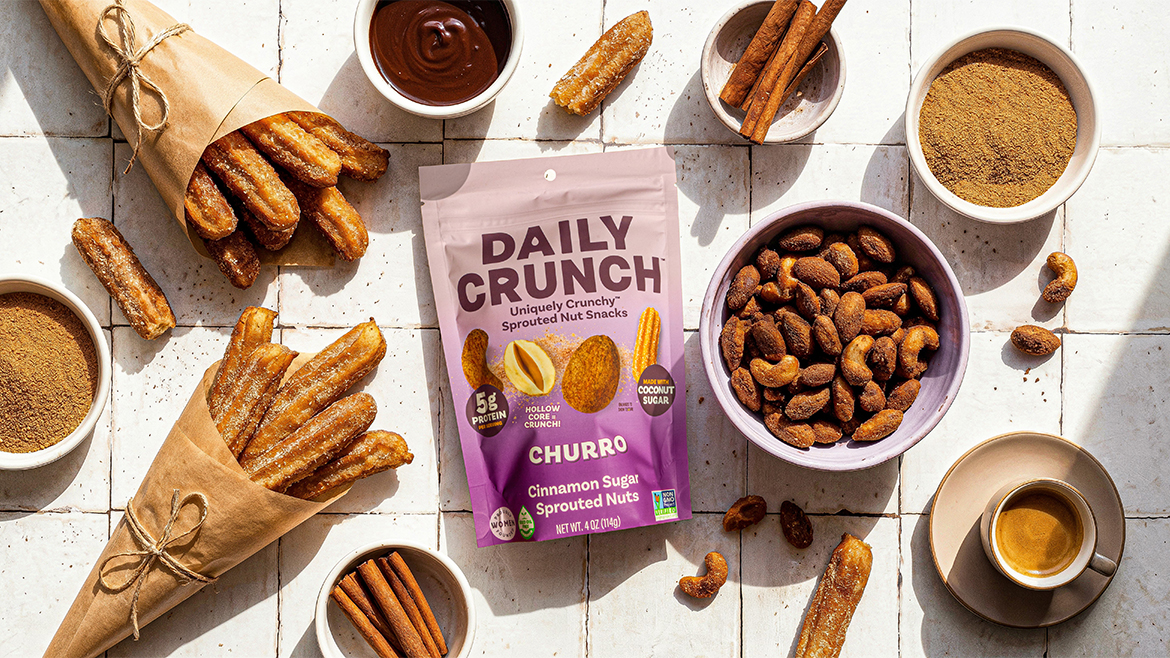 Courtesy of Daily Crunch
 LPK: How are the coming months looking for the snack industry? Please feel free to talk about ongoing issues, new ones, worsening ones, etc.
SLW: The outlook for the snack industry remains positive, but it will continue to be a measured and highly competitive growth environment.
Snacking occasions are not going away—in fact, they continue to expand across the day—especially by younger consumers. Some snacks have become meal replacements and through non-traditional formats like beverages, reinforcing that snacking is increasingly about meeting needs rather than fitting into a specific category.
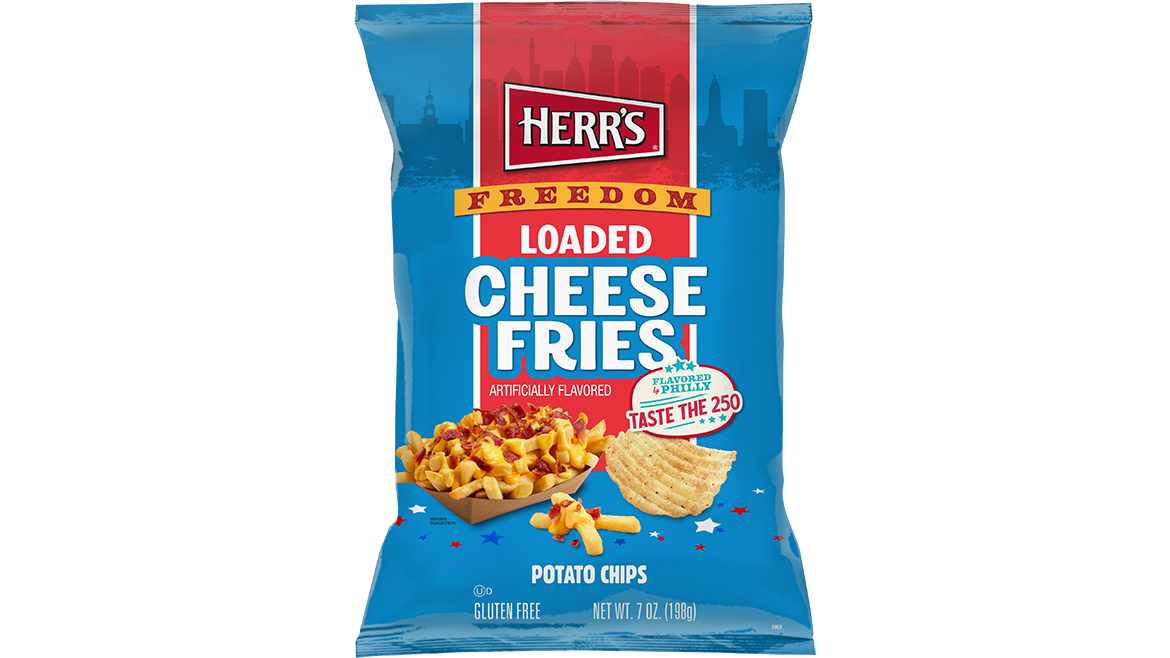 Courtesy of Herr's
Spending, however, will remain selective, with value continuing to play a critical role. Price pack architecture has given some large categories growth with price reductions across some brands. At the same time, we’ll see ongoing momentum in functional, protein-forward, and better-for-you snacks, alongside sustained demand for bold flavors and new experiences.
Looking ahead, two factors to watch closely are SNAP-related policy changes and the continued expansion of GLP-1 usage. Both have the potential to shape purchasing behavior in different ways—impacting everything from basket composition and portion preferences to the role that snacks play in daily eating patterns.
More broadly, we expect continued pressure around margins, regulation, and competition, particularly from private label and emerging brands.
TB: I think the snack category will continue to face many challenges, particularly around supply chain and increased costs. Competition in the snack category is tougher than ever. The suppliers that win will be the ones that have a strong supply chain, have a strong social media presence to build customer loyalty, and diversify the channels in which they sell.
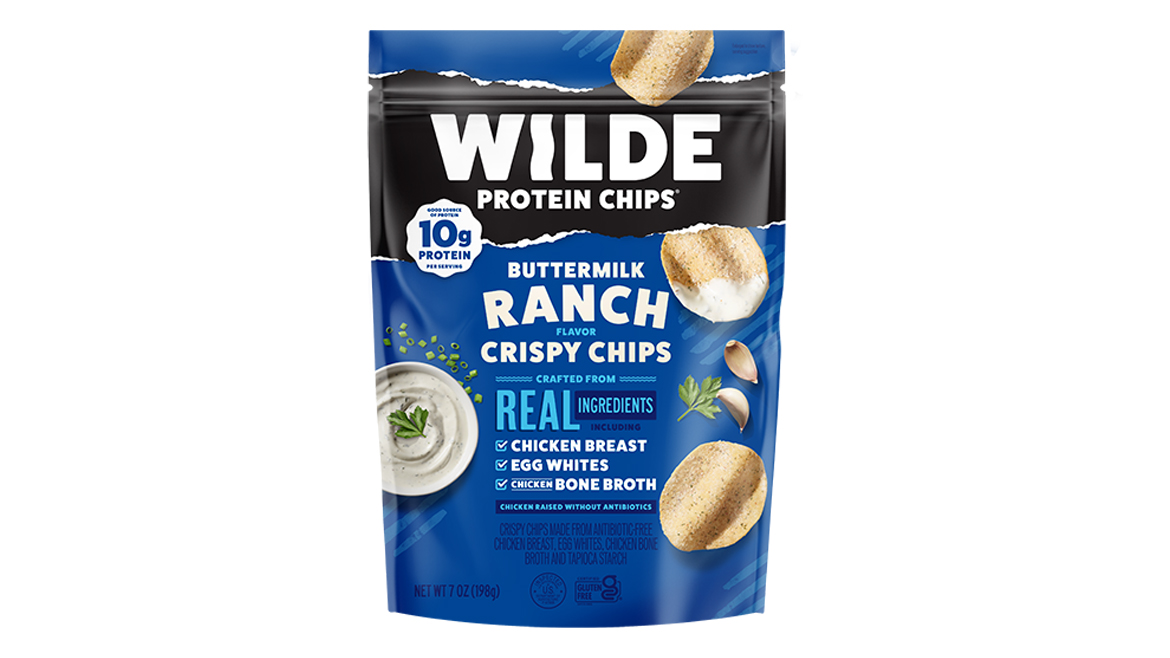 Courtesy of Wilde
LPK: Any final thoughts?
SLW: Consumers are making more deliberate decisions based on value, wellness, and occasion, while the boundaries of what counts as a snack continue to expand. At the same time, external forces—from economic pressure to evolving health dynamics like GLP-1 adoption—are reshaping how and why people snack.
The companies that will win are those that can anticipate these shifts and deliver against multiple needs at once—value, enjoyment, functionality, and occasion—without forcing trade-offs.
Looking for a reprint of this article?
From high-res PDFs to custom plaques, order your copy today!