With today’s increasingly complex supply chain, brands face an even greater challenge to ensure only the best and safest version of their products reach consumers.
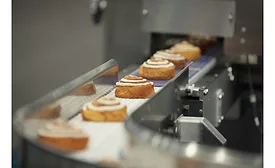
The ancient Greek philosopher Heraclitus was known for his central belief that change is constant, a point clearly illustrated by the fantastic innovation seen across every bakery category today. Yet bread is the oldest form of food known to humankind, dating back thousands of years. And we still eat it today.
Third-party logistics (3PL), the use of a third-party business to outsource elements of a company's distribution and order fulfillment services, can help snack producers and bakeries deliver their products more effectively. 3PL providers specialize in integrated warehousing and transportation services that can be customized to meet customers' needs based on market conditions.
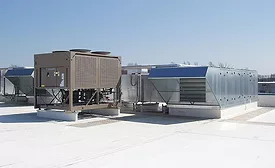
Snack and bakery companies frequently need to design and outfit their facilities with ventilation systems to address issues like food and worker safety and avoid cross-contamination.
The air around your product should be maintained just like all equipment and product itself. The air intake system should be part of your sanitary design program, evaluating the design to ensure inspection and cleaning hatches are installed at various points for proper maintenance.
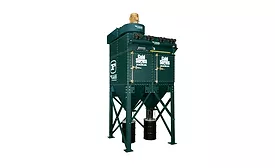
Camfil APC has designed its Farr Gold Series industrial dust collectors to remove hazardous and nuisance dusts from factories while occupying the smallest possible floor space.
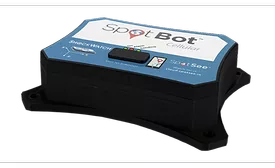
SpotSee is increasing visibility into the supply chain for the logistics market by delivering real-time, critical shock and temperature indicators through its leading brand SpotBot.
The Food Safety Summit, which celebrates its 20th anniversary this year, will take place May 7–10 at the Donald E. Stephens Convention Center in Rosemont, IL. The Food Safety Summit addresses the importance of food safety throughout today’s interconnected supply chain and food manufacturing.
More companies across the food industry have been transitioning to software systems versus paper to manage sanitation scheduling, processes and documentation. This allows them to integrate with sanitation standard operating procedures (SSOPs) and also help improve food safety. They can also help better coordinate regular facility maintenance tasks.