Surging egg prices fueling interest in replacers: Fiberstar
The ingredients supplier discusses the important role eggs play, and the ins and outs of replacers.
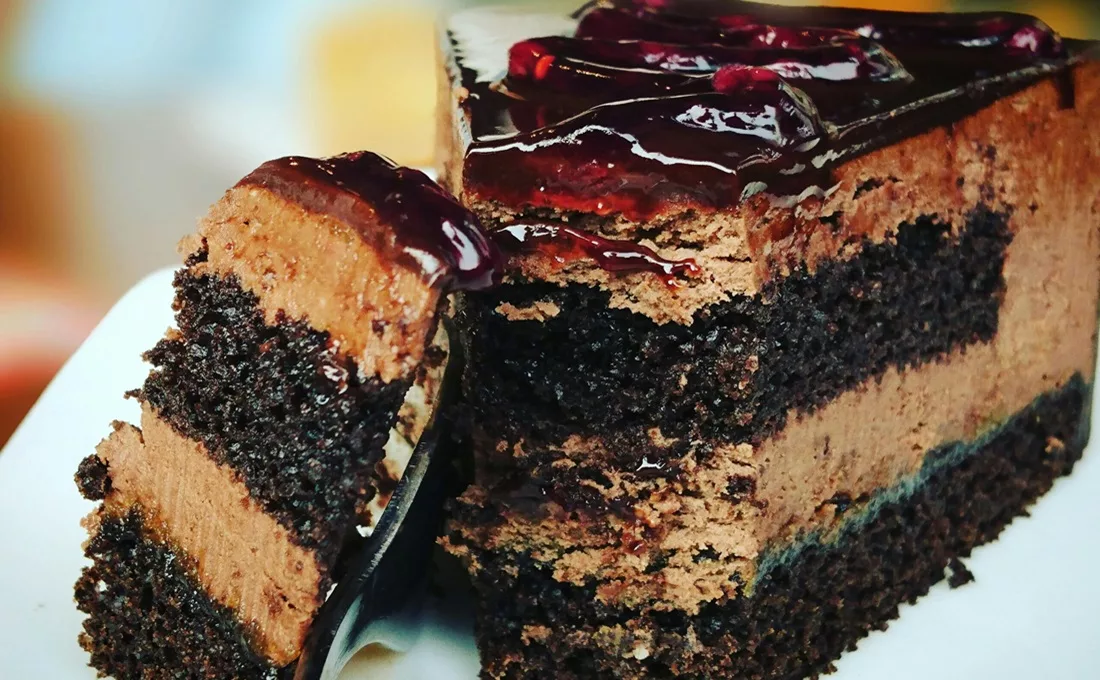
Photo: Abhinav Goswami/Pexels
Egg prices might be coming down, but the drop from astronomical costs to affordable is not happening soon enough for consumers, nor for the snack and bakery producers who use the ingredient in their product formulations. The conundrum is motivating more companies than ever to consider egg replacers to help alleviate the problem. To learn more, Snack Food & Wholesale Bakery connected with two experts from supplier Fiberstar:
- Jennifer Stephens, vice president of marketing
- Darin Reid, application scientist
SF&WB: Could you please talk about increased consumer interest in plant-based snack and bakery formulations?
Jennifer Stephens: There is an uptick in plant-based versions of snacks and baked goods due to consumers’ interest in improving their overall well-being. Over the past few years, plant-based foods earned a reputation of being healthier. So, it translates easily to consumers when they are seeking better-for-you versions of certain types of foods.
Outside the traditional vegan segment, consumers are seeking plant-based for other reasons, such as reducing their intake of saturated fats and cholesterol or avoiding allergens. In the past, bakery and snack formulations without the use of egg, milk, and/or butter suffered textural and stability issues. However, today, bakers evolved into formulating wizards. They are more equipped to create plant-based versions while matching the conventional counterpart.
SF&WB: In addition to reduction/avoidance of dairy and meat/animal fats, people also are looking to cut out or reduce the amount of egg. Can you talk about some of the reasons why consumers might want less egg in their snacks, baked goods, and other foods?
JS: Currently, the opportunities to create reduced egg foods is driven by the high price of eggs right now. Not many requests come in for the latter.
SF&WB: Eggs perform a number of functions in our foods—please share some of the many roles an egg might serve when in a baked good or snack recipe.
DR: Eggs serve two major functions in baked goods: emulsification and structure. Bakery items that have high amounts of oils and fats will rely on the emulsification properties. And baked items that rely on foams need the structure support from the eggs.
SF&WB: Following that, what challenges do producers face when they’re considering swapping out the egg for another, plant-based ingredient?
Darin Reid: Since eggs are so versatile, and each bakery product uses them for specific functionalities, it is difficult to find a “perfect” solution that will universally work. The ideal solution will likely take a combination of replacement ingredients or system, fine-tuned to that specific application and product.
SF&WB: Please talk about some of the solutions Fiberstar can offer companies looking for egg replacement/reduction in their formulations. Feel free to mention specific products, advice, or other ways you can help.
DR: Fiberstar sells Citri-Fi citrus fiber, which is an upcycled ingredient produced from the citrus juicing industry. The process, which is free from chemical modifications, opens up the fiber to lend itself to high water holding and emulsification properties. Citri-Fi can be used at low usage levels (<1%) while still improving texture, stability, and nutrition of egg-reduced bakery products.
For example, Citri-Fi can reduce up to 25% to 30% eggs when used at <1% in muffins, cupcakes, pancakes, and layer cakes while still maintaining the moisture retention and structure over shelf-life. Also, Citri-Fi can be used in egg-reduced gluten-free bakery items as well. Since gluten-free products tend to be frozen and slacked out at retail, moisture management is key to prevent dry textures and short shelf-life. Citri-Fi 300, which is citrus fiber co-processed with xanthan gum, provides the added viscosity, emulsification, and water holding in gluten-free cookies to enhance the perception of freshness over time.
Citri-Fi can also be used in other bakery items like meringues. For instance, Citri-Fi 300, at 0.5% usage level, can be used to replace 100% eggs in a meringue while still maintaining the texture. And in bakery fillings, such as pumpkin pie, Citri-Fi can replace up to 50% eggs at 1% usage level to bind the water and oil. As a result, Citri-Fi reduces surface cracking and sweating in addition to pie shrinkage.
And there is also a USDA-certified organic citrus fiber available: Citri-Fi 400 series. This product line can be used at the same usage levels as the 100 and 600 line to reduce eggs in a variety of bakery products.
Related: Functional and nutritional ingredients aim to please health-conscious consumers
Looking for a reprint of this article?
From high-res PDFs to custom plaques, order your copy today!