FDA to expand allowed uses of 'no artificial color' claim
Snacks, bakery items with "natural" dyes can now use the label on their packaging.
The U.S. Food and Drug Administration (FDA) has broadened the permitted use of the "no artificial colors" label for food products.
Previously, companies could only claim “no artificial colors” on food product packaging when the product contained no added color whatsoever. With the new change, companies will be able to use the claim “no artificial colors” for products that contain naturally derived added colors (i.e., non-petroleum-based dyes that have been authorized in accordance with the Federal Food, Drug, and Cosmetic Act).
Examples of food colors derived from natural sources which can now be used in products that claim to have “no artificial colors” include:
- Beetroot red, which has been newly approved for use in food by FDA
- Spirulina extract, for which the approved uses have recently been expanded.
Other “natural” food colorants FDA has authorized for food use since urging food companies to phase out the use of synthetic dyes in April 2025 include:
- Gardenia (Genipin) Blue
- Galdieria Extract (blue)
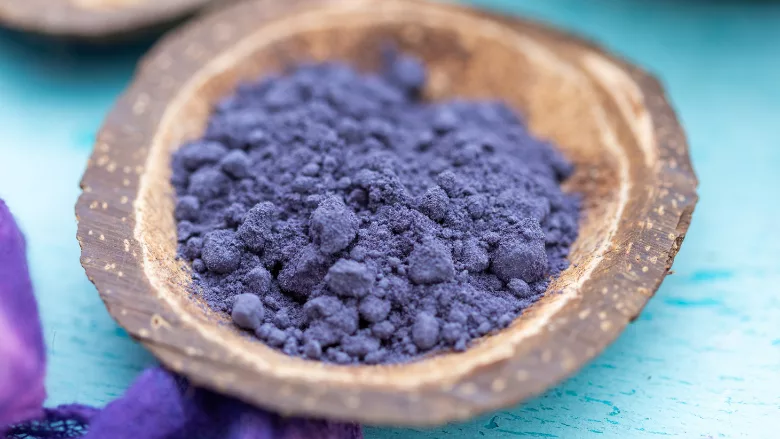
- Butterfly Pea Flower Extract (blue)
- Calcium Phosphate (white).
Although FDA is encouraging manufacturers to transition to non-synthetic food colorants, the agency adds the caveat that it is manufacturers' responsibility to ensure color additive safety. Therefore, the agency has issued a letter that highlights resources to assist producers of authorized color additives in maintaining safety and purity standards.
Related: FDA expands permitted uses of spirulina-based blue colors
Looking for a reprint of this article?
From high-res PDFs to custom plaques, order your copy today!