Prioritizing food safety is a bakery must: Corbion
An expert from the food tech firm shares insights about the importance of protection.
A sentiment expressed around the meeting rooms and exhibit halls of the recent Food Safety Summit: protecting our food supply is everyone’s business, from the c-suite to the production floor and beyond. That sentiment is especially true in bakery—to learn more, we connected with Georgeanna Stockemer, a scientist with food technology solutions firm Corbion.
Jenni Spinner: At the risk of asking the obvious, why is prioritizing food safety in a bakery environment so important—what are the benefits of protecting ingredients and finished product, as well as the risks of falling short?
Georgeanna Stockemer: It is important to prioritize food safety to protect consumer health and to maintain the quality of baked goods. The benefits are extensive, including quality assurance, a strong brand reputation, operational efficiency, and enhanced shelf life, to name just a few. Without proper food handling practices, there is a risk of contamination in both ingredients and finished products. Therefore, it is crucial to adhere to good manufacturing practices (GMPs) throughout the entire production process.
JS: Let’s talk about pathogens—can you talk about how those little critters can do damage to a bakery operation, and how they might strike?
GS: Pathogens and spoilage microorganisms are primarily introduced through raw materials. While baked goods can be considered lower risk for pathogens, it is still essential to implement proper safety practices to prevent the outbreak of foodborne illnesses.
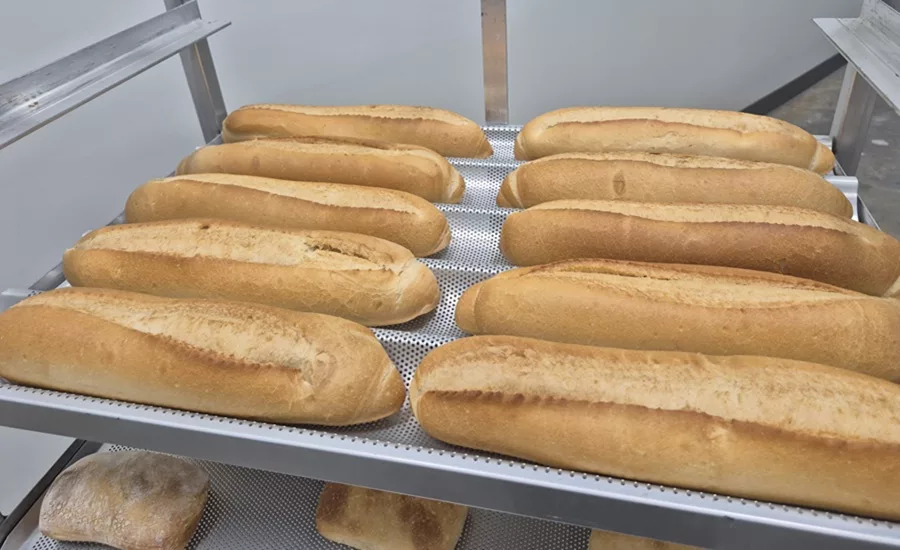
A common challenge in baking is the presence of spoilage microorganisms, including various molds, yeasts, and bacteria. These microorganisms are ever-present in the environment; however, effective sanitation practices can significantly reduce contamination levels within the facility. These microorganisms pose a particular challenge at post-bake, as they can be reintroduced to finished products through contaminated equipment such as cooling racks, belts, and slicers, or from improper GMPs during packaging.
JS: Finished product isn’t the only place where pathogens and mold might hit or be discovered. Could you please talk about the risks of contamination in flour and other ingredients?
GS: Pathogens can be introduced through raw materials, such as flour and raw eggs, which may harbor Salmonella and other harmful microorganisms. This highlights the importance of inspecting incoming ingredients for quality and safety. Maintaining relationships with reputable suppliers is crucial to ensure they adhere to food safety standards and provide documentation of their practices. This helps to reduce the risk of harmful microorganisms contaminating the bakery before they even enter production.
JS: What recommendations might you offer to keep a bakery operation safe, from the time ingredients are received to when the finished product is sent on its way (and perhaps beyond)?
GS: Optimizing product formulation is an important factor for extending the shelf life of baked goods, particularly with effective preservation systems that slow mold growth. While calcium propionate remains an industry standard, clean-label alternatives such as cultured wheat can provide natural sources of organic acids for preservation, such as propionic. Additionally, shelf-life can be assisted as well by lowering product pH with acidifiers like lactic acid or vinegar in combination with the preservation systems.
The baking process remains a primary intervention step, with validated time–temperature required to reduce pathogens and spoilage organisms. However, thermal processing must be supported by strong manufacturing practices. Prior to baking, this includes proper material handling and storage, segregation of raw ingredients from finished products, complete documentation, and routine sanitation. After baking, focused hygiene and sanitation practices—such as clean equipment, proper product handling, and employee hygiene—are essential to prevent recontamination and preserve both product safety and shelf life.
JS: Do you have any words of advice regarding food safety best practices?
GS: While the use of preservatives serves as an important line of defense, it cannot compensate for a facility that lacks proper sanitation and safety practices. An unsanitary environment cannot be remedied by formulation alone.
Ensuring food safety requires reviewing all aspects of the production process. And this is paramount to protecting both consumers and the reputation of a bakery. To enhance food safety, consider implementing a comprehensive Hazard Analysis and Critical Control Points (HACCP) plan tailored to your operations. Regular training and education for all staff on food safety protocols and GMPs will help maintain high standards of hygiene. Additionally, routine maintenance and sanitation of equipment, along with effective waste management practices, are essential for minimizing contamination and keeping the facility clean and safe.
Related: Consumers want more from their bread
Looking for a reprint of this article?
From high-res PDFs to custom plaques, order your copy today!