State of the Industry 2026: Frozen snacks and appetizers take center plate
The category is blurring the line between light bites and meals.
While the frozen snacks and appetizers category only grew a little over the past year, busy consumers are continuing to use frozen snacks as meal solutions. Convenience remains king—for example, a snack that can be popped in an oven or in the air fryer might be chosen over a traditional frozen meal that takes a lot longer to cook. However, shoppers are also looking for better-for-you options, such as appetizers that have clean-label ingredients.
Market data
The frozen appetizers/snack rolls category mostly stayed stagnant over the past year, growing 1% with $4.3 billion in sales, according to Circana data for the 52-week period ending May 17, 2026.
General Mills was the frontrunner, with $728.5 million but a large loss of 8.8%. Private label took in $714.7 million, with a 5.3% increase, and Ajinomoto Foods garnered $491.8 million, with a 4.7% uptick.
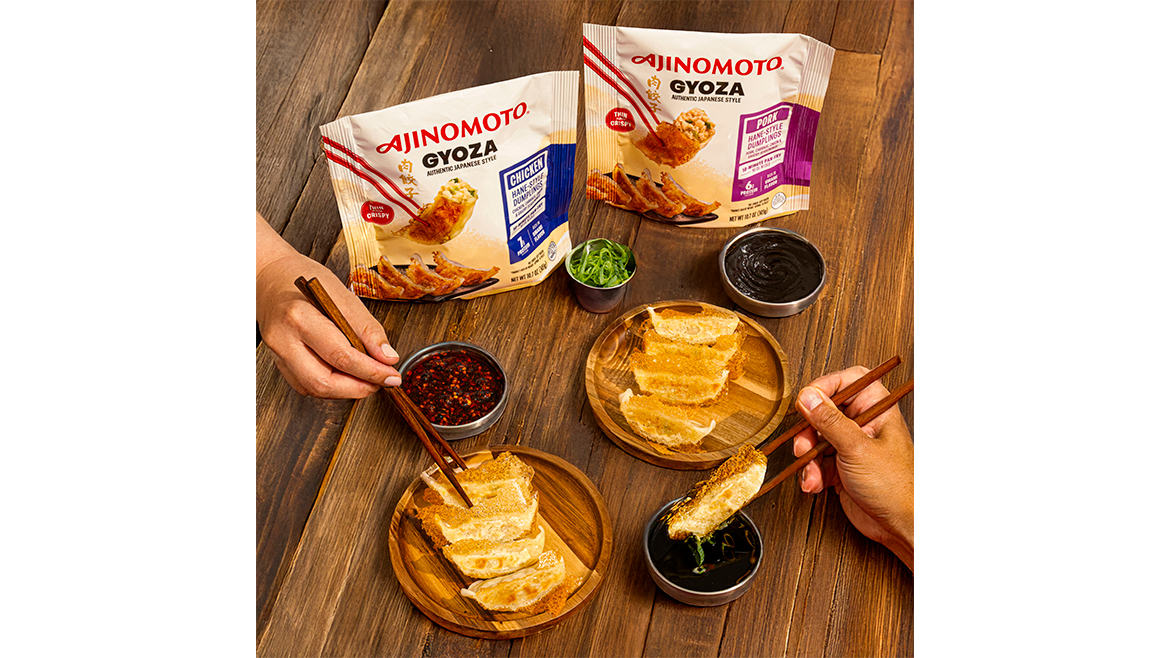 Image Credit: Ajinomoto
In the frozen pretzels subcategory ($128.7 million, with a 5.9% increase), J&J Snack Foods Corp., parent company of Superpretzel, dominated, with $104.1 million and a healthy 9% growth. Private label trailed behind, at $16.5 million and a 7.8% decrease, and the Milwaukee Pretzel Co. came in third, with $2.5 million and a 12.1% increase.
Finally, in the frozen breaded vegetables subcategory ($43.2 million, a 5.7% decline), Conagra Brands was responsible for $15.7 million of that total, with a noticeable 13.4% drop, and Pictsweet LLC took in $12.3 million but mostly stayed stagnant, with a 0.4% increase. Private label rounded out the top three, with $8.7 million and a 3.6% decline.
Looking back
“The frozen snacks and appetizers category continues to be shaped by four key trends: occasion expansion, convenience, better-for-you options, and global flavor exploration,” explains Tim Korosec, SVP, head of CPG sales at Ajinomoto.
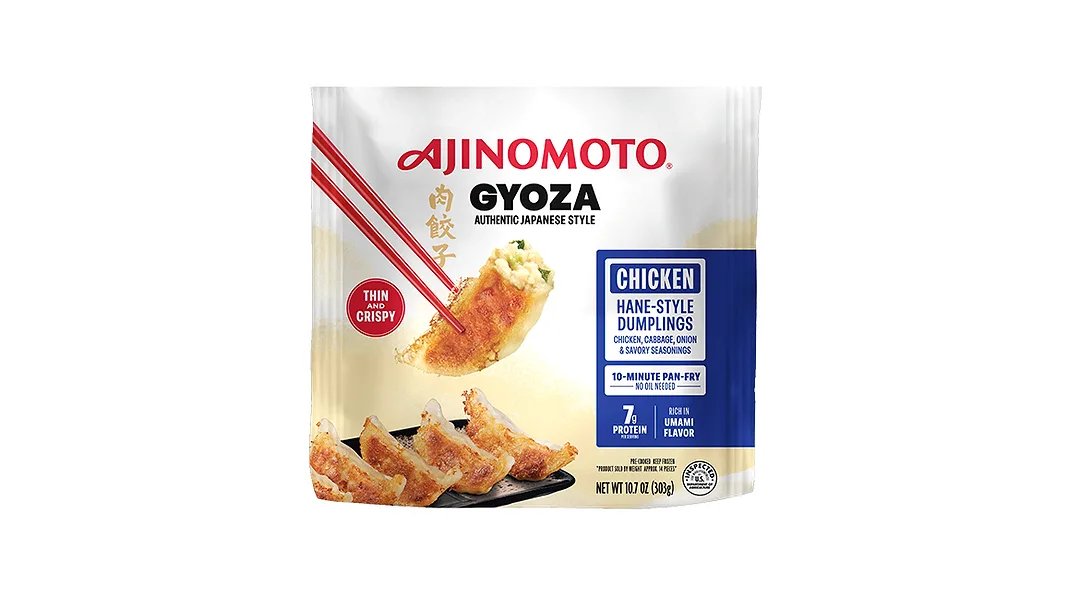
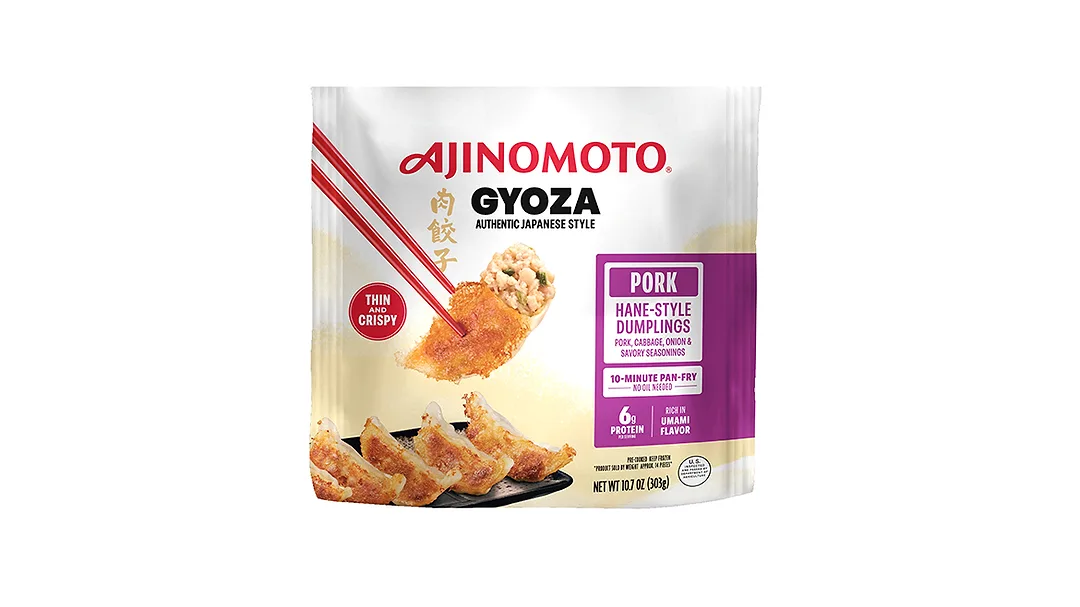
This year, Ajinomoto launched Japanese-Style Hane Gyoza—inspired by a Japanese preparation method, the dumplings create a delicate, crispy "wing" when pan-fried without oil, an experience that has reportedly traditionally been difficult to replicate with frozen products. The company also expanded its dumpling portfolio even more with the introduction of Sweet and Spicy Chili Saucy Pork and Chicken Gyoza and Jumbo Chicken Shumai.
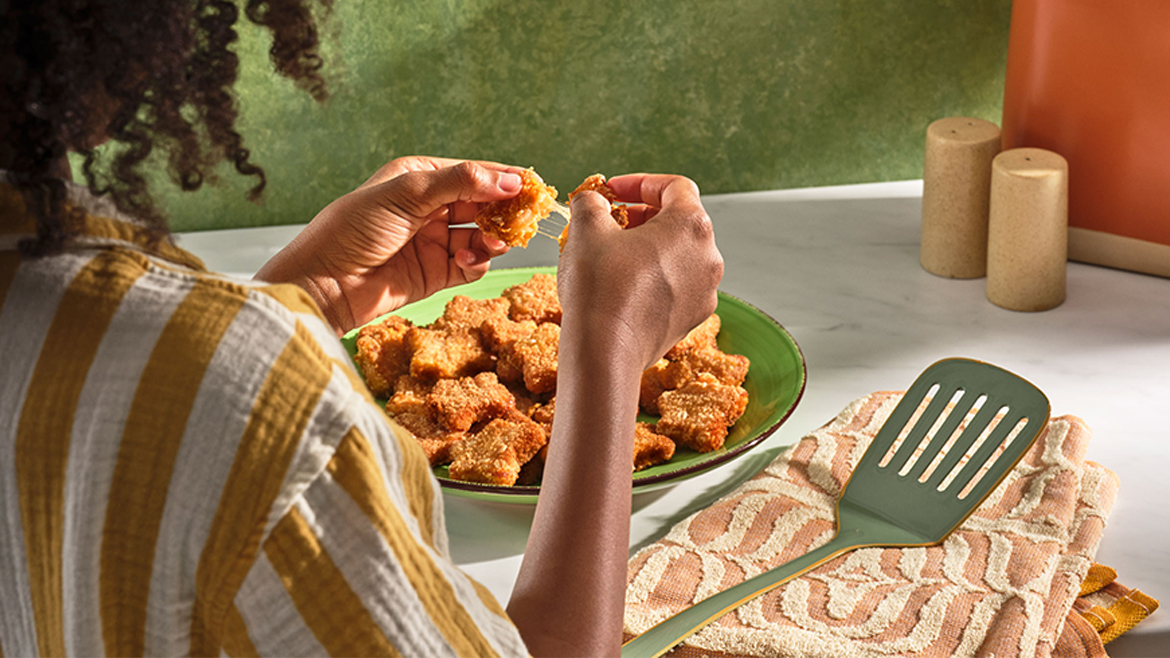 Image Credit: Dr. Praeger’s
“Consumers are increasingly turning to frozen snacks as meal solutions, not just between-meal occasions,” he adds. “Convenience remains a primary purchase driver, with shoppers seeking products that are easy to prepare, work well in air fryers, and fit busy lifestyles. At the same time, demand for better-for-you offerings continues to grow, particularly around protein, functional benefits, and clean-label ingredients.”
Kateryna Villanueva, brand manager at Dr. Praeger’s, also believes convenience is king, with consumers looking for “craveable foods that fit seamlessly into everyday snacking occasions.”
“At Dr. Praeger’s, we saw particularly strong momentum from products that tap into the familiar flavors consumers love while delivering vegetables in a fun, snackable format,” she specifies. “Their success reinforces what we’re seeing across the category: consumers are looking for bold flavors, crispy textures, and comfort food-inspired snacks that satisfy cravings without sacrificing ingredient quality.”
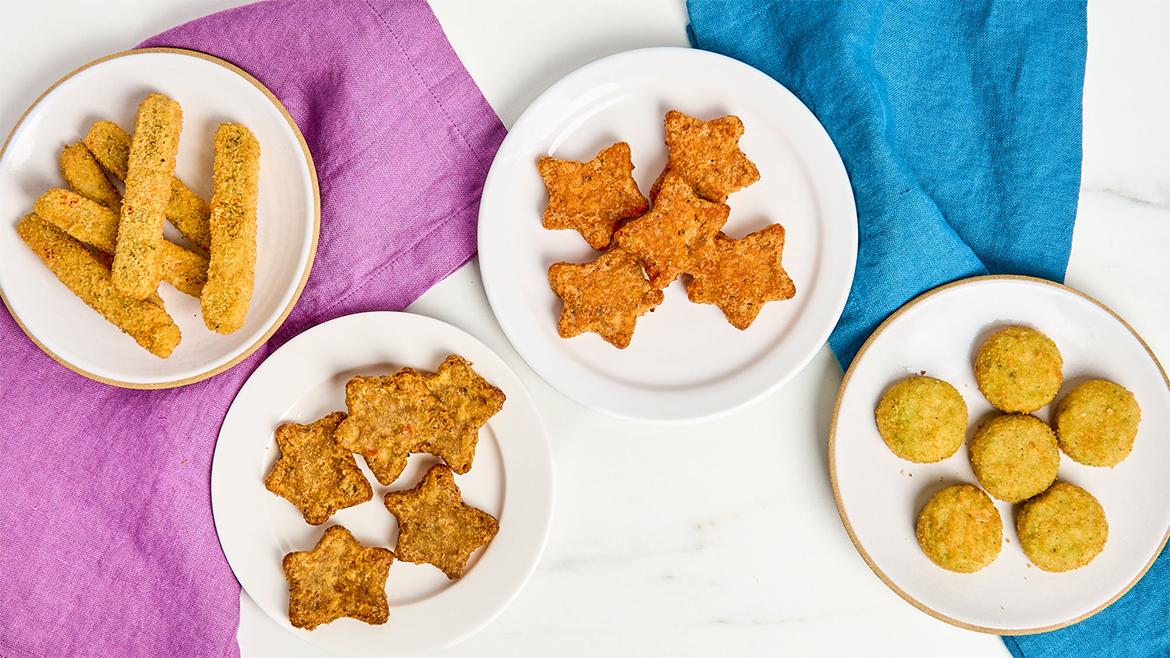 Image Credit: Dr. Praeger’s
Patrick Coyne, founder/CEO of Laoban Foods, says the category is currently at the convergence of so many mega trends—global flavors, better-for-you clean-label ingredient panels, the restaurant experience at home, and renewed interest in frozen foods chief among them.
“In the last year we’ve launched scallion pancakes, crab rangoon, Taiwanese popcorn chicken, and a line of microwaveable dumplings. So far, the reception has been amazing,” he shares. “We’ve seen so much excitement behind these items, which I think is in large part to their popularity at restaurants but a relative lack of availability at grocery stores. Being able to make these items at home with relative ease has been a major driver of their success.”
Rebecca Thompson, marketing VP, Asian Cuisine team at Schwan’s Company, notes two category trends she feels are important:
- Flexible foods: Consumers are breaking the rules for what they are eating and when. They are eating snack foods for meals and meal items for snacks, so it’s important to them to have products that easily flex between the dayparts in their freezer.
- Food as social infrastructure: More and more, consumers are looking for great eating experiences, while at the same time, increasing these experiences at home rather than in a restaurant. To create a great Asian-style food experience at home, products must offer quality ingredients, authentic or bold flavors, and provide consumers with the confidence that the meal will satisfy the crowd.
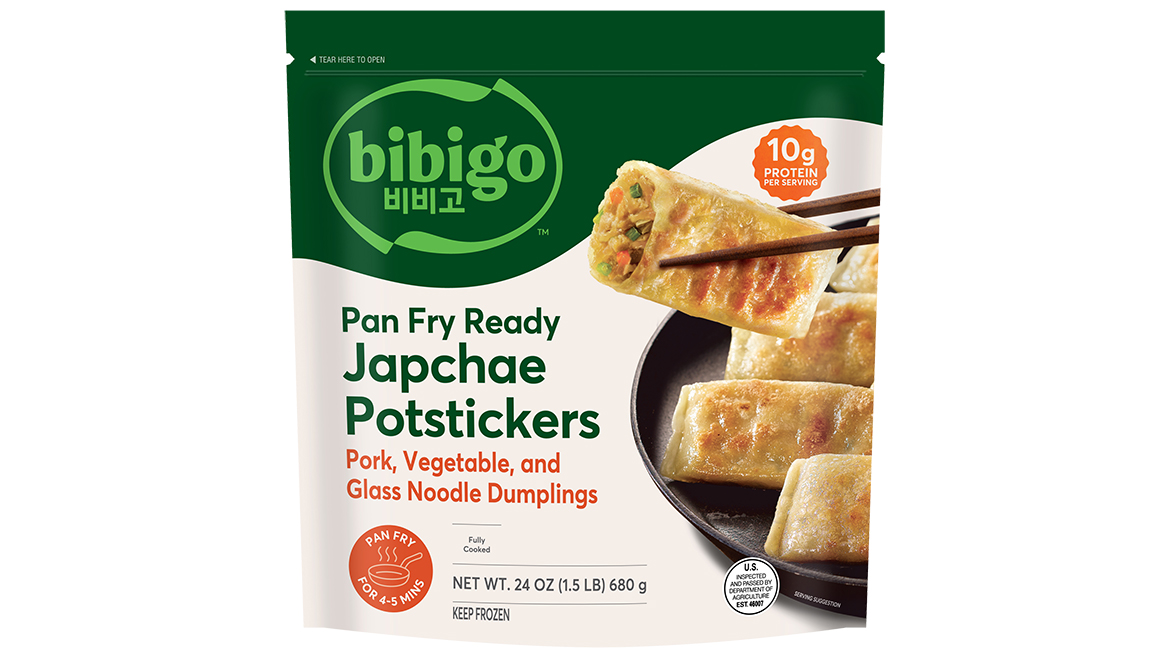 Image Credit: Schwan’s Company
Recently, Schwan’s Bibigo brand released Pork Japchae Potstickers, filled with pork, japchae glass noodles, and a mix of diced onion, cabbage, Chinese chives, carrots, and green onion. The company also added Bibigo Spicy Chicken Mini Wontons to its lineup this spring.
Judy Zhu, CEO of Synear Foods USA, says she’s seen growing momentum in the frozen snacks category over the past year, largely driven by the demand from consumers seeking globally inspired, authentic, restaurant-quality Asian offerings.
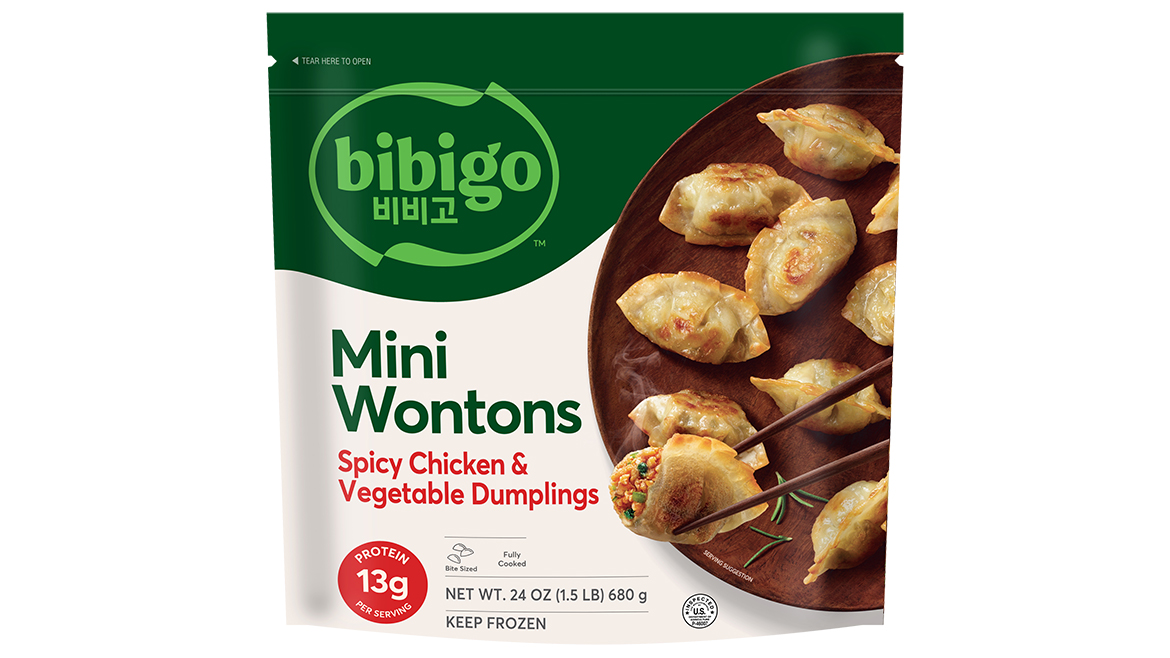 Image Credit: Schwan’s Company
 “The overall growth has been anchored by two major shifts in consumer preferences: first, a widespread demand for quick, minimal-prep meal solutions that easily fit into busy schedules, and second, a strong preference for premium ingredients without having to sacrifice flavor,” she specifies.
Synear’s new product releases over the past year include Street Food Mini Pork Soup Dumplings, and Portuguese-Style Croissant Egg Tarts, which expanded the brand into the frozen bakery category.
“The market response for both launches has been strong, with consumers actively seeking out these more differentiated options, since they maintain flavor integrity while acting as a quick meal solution that can easily match the fast pace of a modern routine,” Zhu finishes.
Jennifer Ginnetti, SVP, retail business unit at Ruiz Foods, says the company is still seeing strong growth, especially in Mexican-inspired flavors: “This surge is fueled by consumers seeking frozen meals and snacks that combine bold taste, convenience, and quality. Today’s consumers expect real ingredients, bold flavors, and trusted brands.”
Ruiz Foods recently launched Más Bold, a new El Monterey taquito line with flavors based on American flavors including Chicken Bacon Ranch, Spicy Chipotle Beef, Buffalo-style Chicken, and Philly-style Cheesesteak, with an infused shell. According to Ginnetti, this line was created to expand on the company’s popular taquito line and attract new shoppers to the category.
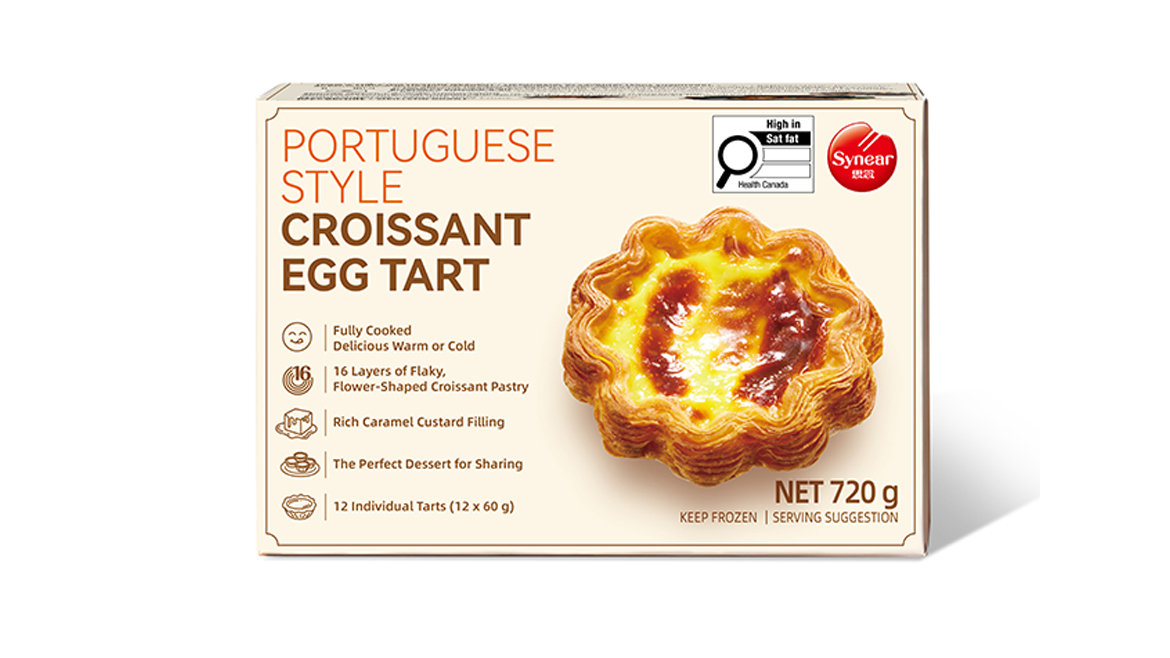 Image Credit: Synear
Ginnetti notes one of the biggest challenges this past year was the financial squeeze on consumers: “As the cost of gas, groceries, and restaurants climb, discretionary spending is declining—driving a critical shift toward affordable home meals.”
Another challenge in the frozen snack category today is standing out in a crowded marketplace, Villanueva relates, because consumers have more choices than ever, from traditional frozen snacks to emerging better-for-you options, and their expectations continue to rise.
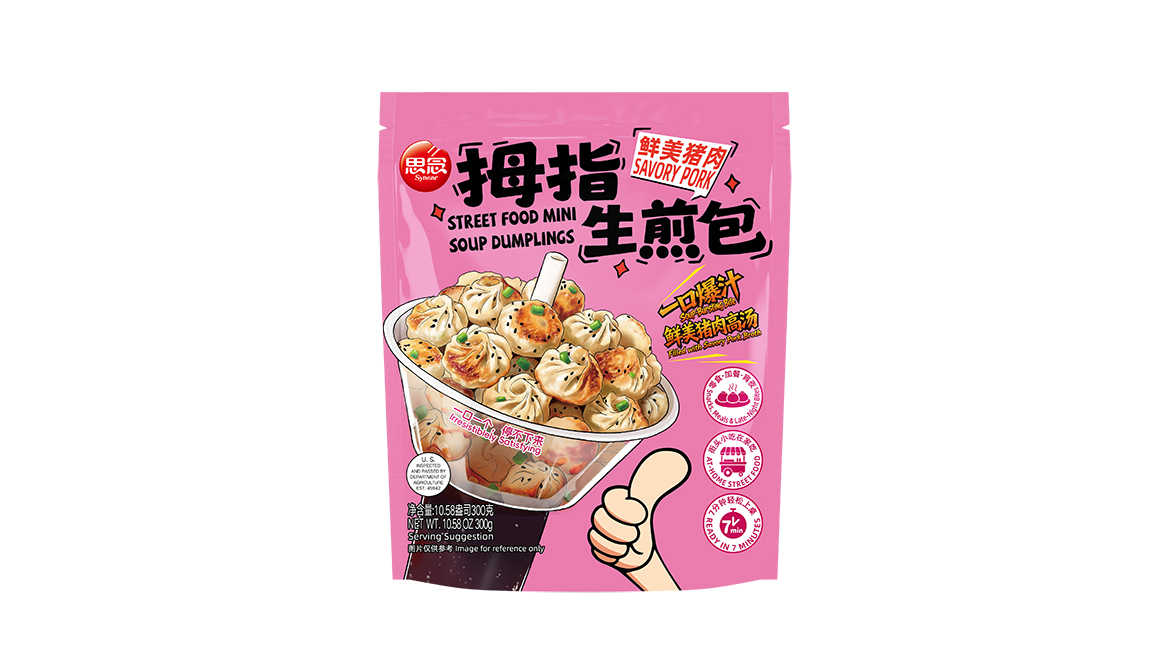 Image Credit: Synear
“It's no longer enough to offer convenience alone. Products must deliver exceptional taste, craveable textures, and a compelling reason to purchase again,” she explains. “The challenge is earning a spot in shoppers' carts, but it's also what makes the category so exciting and ripe for innovation.”
Looking forward
Thompson says she is optimistic the market will continue to grow, as consumers continue to explore new flavors and reach for their favorite Asian snacks and appetizers.
“In the past year, consumers—especially younger ones—are actively looking for new, global flavors and more engaging sensory experiences,” she comments. “We expect this to continue.”
Korosec is also optimistic about the future of the category, stating as consumers continue to prioritize convenience, value, and quality, frozen snacks and apps are well positioned to meet those needs.
“The category offers a wide range of options that deliver restaurant-inspired experiences at home in a convenient and affordable manner,” he shares. “We're also seeing strong momentum in specific segments. For example, the retail gyoza category grew more than 26% versus the prior year. These trends suggest consumers are continuing to seek flavorful, globally inspired frozen offerings that fit their busy lifestyles.”
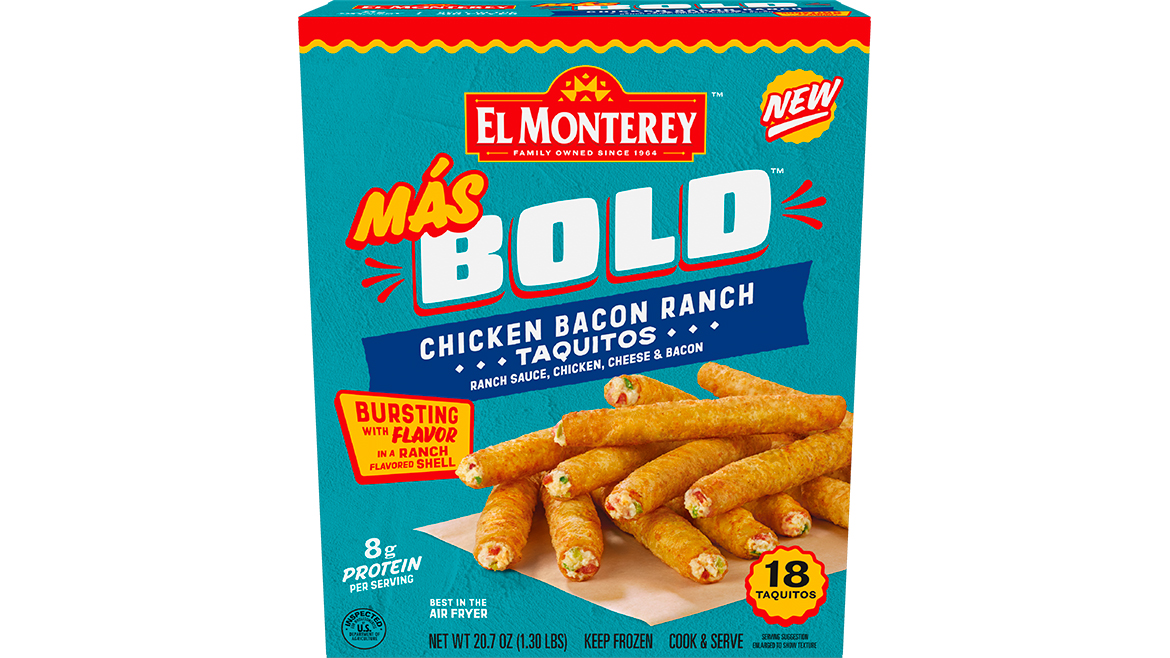 Image Credit: Ruiz Foods
He predicts high protein will remain a key trend, driven by both GLP-1 users and consumers seeking more balanced food choices, and no added sugar options are also likely to remain relevant. Additionally, cost consciousness will remain a key challenge for producers in the coming year—as consumers continue to seek value, brands will need to balance affordability with quality and innovation.
Ginnetti agrees, saying because consumers are turning to prepared frozen food as an alternative to casual dining and takeout food, they will look for ways to keep meals convenient and satisfying while staying within their budget.
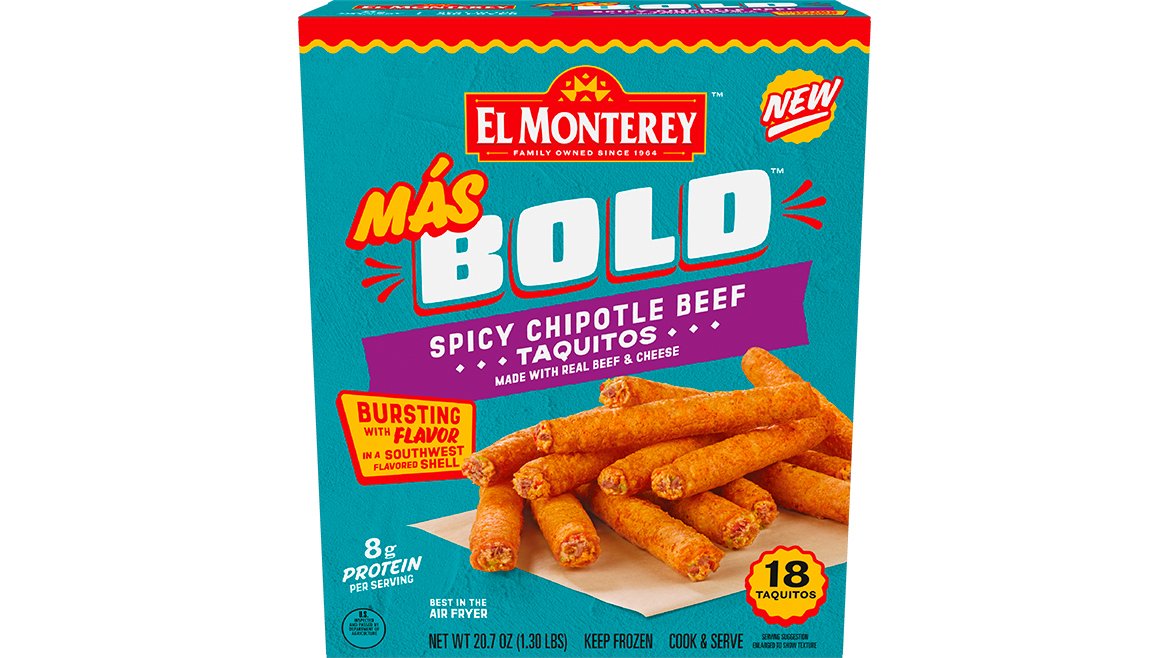 Image Credit: Ruiz Foods
“While consumer demand for diverse, adventurous cuisines is rising, busy schedules leave little time for cooking,” she adds. “Retailers have a unique opportunity to make the frozen aisle feel more like a destination for convenient, flavorful meals and snacks at home.”
Villanueva notes the category is not slowing down, it is evolving, with consumers continuing to seek products that deliver convenience, great taste, and ingredients they feel good about serving to themselves and their families.
“We believe protein and fiber will remain important drivers in purchasing decisions, particularly within the better-for-you snack category,” she predicts. “We also expect taste to become an even bigger differentiator, as consumers continue to prioritize products that deliver indulgent flavors alongside convenience and nutrition. The biggest challenge won't be getting consumers to try a product—it will be giving them a reason to buy it again. In today's frozen snack aisle, repeat purchase is the ultimate measure of success.”
Villanueva can’t share specifics just yet, but she says Dr. Praeger’s is continuing to invest across its growing snacking portfolio, building on the momentum of its Pizza Stars, Taco Stars, Broccoli Cheddar Bites, and Mac & Cheese Stars, with additional concepts that lean into familiar, indulgent tastes and convenient formats.
Looking ahead, Zhu says there are several emerging trends from the past year she thinks will continue to dominate the category over the next year, such as:
- Global flavor exploration, especially as it relates to Asian cuisine
- Premiumization of frozen foods (quality, authenticity, restaurant-style)
- Increased demand for multi-occasion products (snack, meal, entertaining)
- Continued growth in retail and club channel expansion
- Stronger focus on product storytelling and cultural authenticity
She shares Synear will be expanding its core Asian product portfolio and introducing items that combine traditional flavors with modern convenience.
“While we are keeping a close eye on unavoidable factors like macroeconomic uncertainty and input cost volatility, the sustained demand from consumers for convenient snack solutions can’t be ignored,” she expands. “They are actively seeking out bold, authentic flavor experiences as an affordable luxury, and the momentum behind global and Asian-inspired cuisines shows no signs of slowing down.”
Looking for a reprint of this article?
From high-res PDFs to custom plaques, order your copy today!