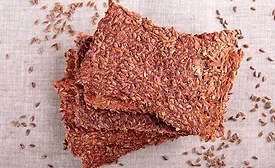
As the artisan bread movement continues to gain momentum across the U.S., one of its most-ancient forms—sourdough—is garnering more-widespread attention.
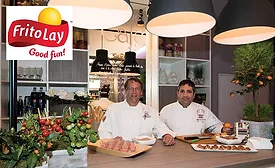
Back in the early 1930s, when Charles Elmer Doolin started The Frito Company and Herman Lay started H.W. Lay & Company, they were establishing the groundwork for a snack empire. The two companies merged in 1961, and four years later joined forces with The Pepsi-Cola Company to create PepsiCo, which operates Frito-Lay as a subsidiary.
Today’s snack and bakery market remains as fiercely competitive as ever. The definition of what constitutes a “snack” is tracking an evolutionary course, shifting in step with consumer trends and desires.
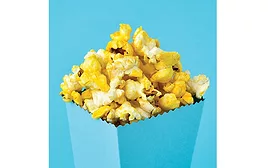
Per IRI, Chicago, the salty snacks category was valued at $22.6 billion for the 52 weeks ending April 16, 2017—a number that encompasses potato chips, tortilla chips, extruded/puffed snacks including cheese puffs, ready-to-eat (RTE) popcorn, corn chips, pretzels and pork rinds—and sales were up 3.60 percent for the year (see the July “State of the Industry—Snacks” issue for detailed category data).
According to FDA, more than 160 foods can cause allergic reactions in people with food allergies. In the U.S., federal regulatory bodies identify eight most-common allergenic foods, which FDA says account for 90 percent of allergic reactions related to food.
At its core, eating quality seals the deal on the repeat purchase of a snack. Those of us in the industry might rank a snack’s hedonistic level—the level of pleasure consumption delivers. Snacks can also face organoleptic scrutiny, determining its positive (or negative) interactions with our senses.