When reducing sodium, ‘taste is non-negotiable’: Ajinomoto
A chef from the food solutions firm offers advice on slashing salt without losing flavor.
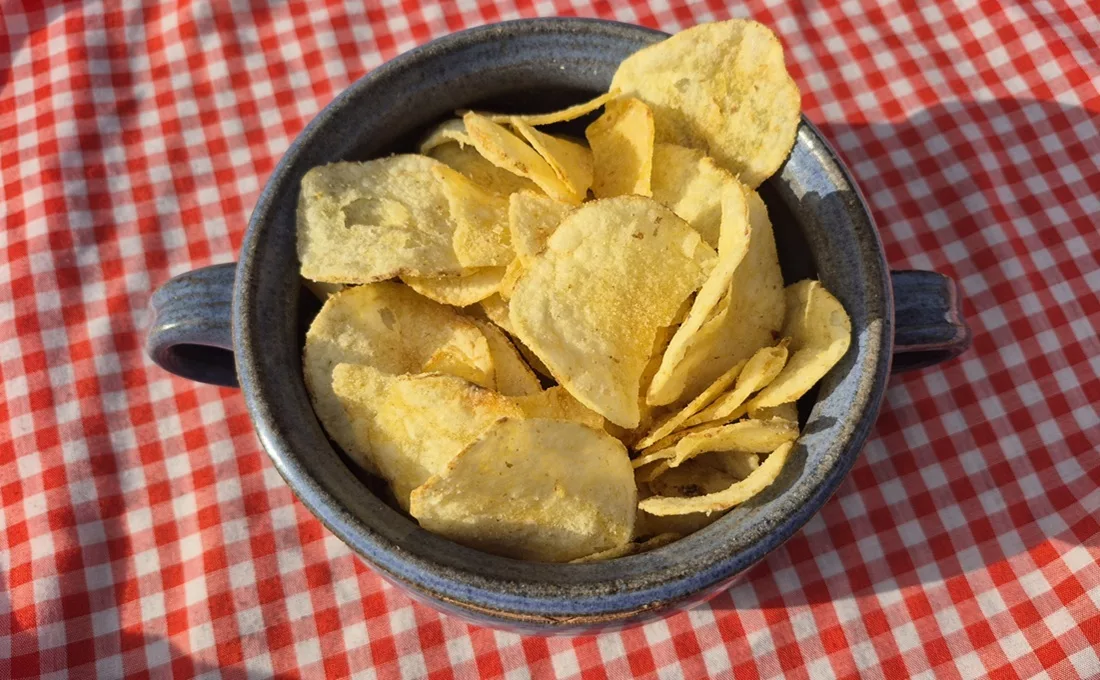
When eyeing Nutrition Facts labels on potential purchases of snacks, baked goods, and other items, sodium content is one of the numbers shoppers take a close look at. Now, with regulators around the globe considering regulations to lower those levels in foods, producers are forced to consider moves that make both officials and shoppers happy.
To dive more into the topic of savvy sodium reduction, we checked in with Chris Koetke, corporate executive chef at Ajinomoto Health & Nutrition North America.
Jenni Spinner: Could you please talk about the average American consumer’s love for savory/salty snacks, and how it’s evolved over time?
Chris Koetke: The American consumer’s love for savory and salty snacks is rooted in flavor preference and connection to a moment or memory. Over time, this love has evolved to consumers increasingly seeking snacks that deliver bold taste experiences that also align with their health and wellness goals.
Today’s consumers are more informed and intentional. They’re looking for satisfying snacks that also support their lifestyle choices, whether that’s lower sodium, nutrient-dense foods, or convenient packaging. This shift reflects a broader trend toward mindful snacking, where taste and nutrition can co-exist.
At AHN, we understand that taste is non-negotiable. That’s why we help customers deliver a variety of delicious profiles while meeting evolving consumer expectations. Our solutions are designed to support sodium reduction without compromising the flavor experience, helping our partners stay ahead of the curve in a competitive snacking landscape.
JS: Warnings about too-high sodium levels in certain foods aren’t new, but those voices have become louder in recent years, with public officials around the world joining in. Could you please talk about some of the regulatory requirements and guidances issued by the WHO, the U.S. government, and other entities?
CK: As a global ingredient supplier, we’re committed to helping food companies meet evolving sodium reduction goals. We believe in following scientific evidence, and we support WHO and FDA guidance by innovating lower-sodium solutions that maintain taste and functionality, while also enabling reformulation success that meets consumer demand. Our role is to empower manufacturers with the tools they need to deliver health-conscious products without compromising quality. Sodium reduction is a global priority at Ajinomoto Health and Nutrition, and we have a portfolio of solutions that can provide significant reduction in sodium across a variety of applications, along with other areas of concern for consumers, like sugar reduction.
JS: With producers hearing cries of “slash the sodium” from so many sources, snack makers are faced with an issue—could you talk about some of the avenues they can choose when looking to bring those levels down, without sacrificing taste or the other benefits salt/sodium offer?
CK: There are several strategies that manufacturers can use to lower sodium without compromising the consumer experience. These include:
- Umami optimization: Enhancing umami is a proven strategy for reducing sodium, as umami adds a different and satisfying flavor profile that allows for the reduction of salt without losing flavor.
- Ingredient innovation: Using alternative natural flavor modulators to replicate the salty taste profile.
- Well-rounded formulation: Balancing other flavor components like acids, spices, and aromatics to create a satisfying taste experience.
Leveraging umami, particularly through the use of monosodium glutamate (MSG), enhances overall taste profile, which allows for lower sodium content. Glutamate interacts with umami taste receptors on the tongue, boosting savory taste and therefore reducing the need for added salt. It should also be noted that the sodium in MSG is only 1/3 of the sodium in the same amount of salt.
Decades of research support the effectiveness of umami, especially MSG, as a sodium reduction tool in various applications, including grain-based bakery and snack items. In 2022, Dr. Soo Lee and the University of Illinois published studies demonstrating the benefits of umami in snacks such as puffs and chips, as well as in white and wheat bread (full research available here). Ajinomoto Health and Nutrition North America Inc. has observed similar results in other grain-based applications like buns and pita bread.
JS: Please talk about some of the solutions Ajinomoto offers to help cut sodium levels.
CK: MSG enhances the flavor of food, allowing for significant sodium reduction without compromising taste. By leveraging the umami inherent in MSG, companies can maintain great taste even in reduced-sodium products. This is crucial for consumer acceptance, especially in savory foods.
AHN has developed a robust portfolio of customized solutions for different food applications, from sauces to savory snacks, ensuring that the reduction in sodium does not negatively impact the product. These solutions fall under our Salt Answer portfolio and draw on our expertise in umami and kokumi. Our Salt Answer products are very effective and specific to different product categories.
Internal studies have shown that using MSG or our proprietary Salt Answer products can lead to a 20% to 30% reduction in sodium in products like chips, crackers, salad dressing, sauces, etc.
JS: What else would you like sodium-conscious snack producers to know about the topic?
CK: Snack brands are making meaningful progress toward voluntary sodium reduction goals, signaling a strong industry-wide shift. At AHN, this momentum aligns with our strategic priorities, and we remain committed to driving innovation and collaboration that support continued sodium reduction across the snack category.
JS: What’s your favorite savory snack?
CK: While there are some fun new snack foods on the market, I gravitate to two traditional ones. Pringles is iconic, and I love the variety of flavors. The other is Goldfish crackers, which I learned to love when my kids were young. They are just the right size and full of flavor.
Related: State of the Industry event explores bakery, snack trends
Looking for a reprint of this article?
From high-res PDFs to custom plaques, order your copy today!