Consumers abuzz about honey in their food buys
With shoppers craving natural sweetness in their foods, the ingredient offers appeal.
Honey has been used as an ingredient in food for centuries. With modern consumers looking to clean up the labels on the products they buy (including in their baked goods and snacks), while also craving sweetness, the ingredient appeals to such BFY-minded, sweet-toothed shoppers.
To learn more about honey’s potential usefulness in food formulations as well as its appeal to consumers, we connected with Catherine Barry, VP of marketing with the National Honey Board.
Jenni Spinner: Consumers, producers, and regulators all are having fascinating conversations about cane sugar—could you please talk about that?
Catherine Barry: Cane sugar is definitely at the center of an industry-centric conversation about sweetness, sourcing, sustainability, and transparency. Consumers are thinking about added sugar and sweetness levels, but on a higher level, they want to know where ingredients come from at the source. This opens the door to a broader conversation about honey, truly Mother Nature’s sweetener that brings a strong connection to agriculture, beekeepers, and the natural world.
JS: Similarly, folks are more leery than ever of ingredient labels with artificial sweeteners and other ‘fake’ things on the ingredients lists—please share your perspective on that take and how it’s evolved in recent years.
CB: Yes, ingredient awareness has grown significantly in recent years. Today’s consumers are reading labels more carefully than ever before and choosing products with ingredients, especially sweeteners, that are recognizable and that they’re familiar with. We see this as a shift toward simplicity and clean labels, a prime opportunity for honey. It’s a single-ingredient sweetener that is just what it says it is: honey.
JS: With folks looking to avoid cane sugar and steer clear of artificial sugar stand-ins, that seems like a great opportunity for honey. Could you please talk about that a bit?
CB: Honey is a great opportunity for product developers and food scientists looking for an all-natural sweetener. Honey, of course, provides sweetness, but also flavor nuances, color, and a marketable story. As brands look to stand out on store shelves and connect with shoppers via storytelling, honey allows for that in a way that’s authentic and familiar.
JS: Could you please talk about honey’s potential as an ingredient in baked goods and snacks?
CB: Honey is tremendously versatile. There are 300 varietals in the U.S., and it works beautifully across categories, from sweet goods to bars, crackers, granola, and snack mixes. See below for some great product examples:
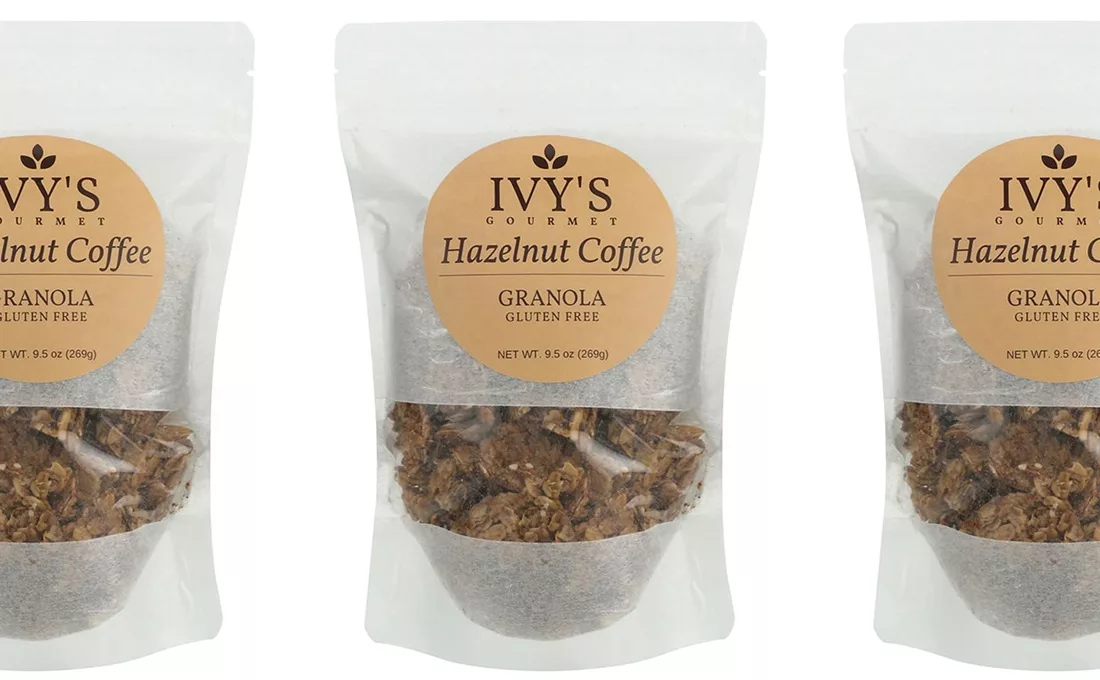
Hazelnut Coffee Granola, Ivy’s Gourmet
The Specialty Food Association sofi finalist in the Cereals & Granola category includes honey, chopped hazelnuts, dark chocolate chunks, and Ethiopian coffee. This trend-forward take on granola exhibits an artisanal, small-batch approach, which aligns with consumer interest in premium, ingredient-forward snacking.
 Courtesy of the National Honey Board
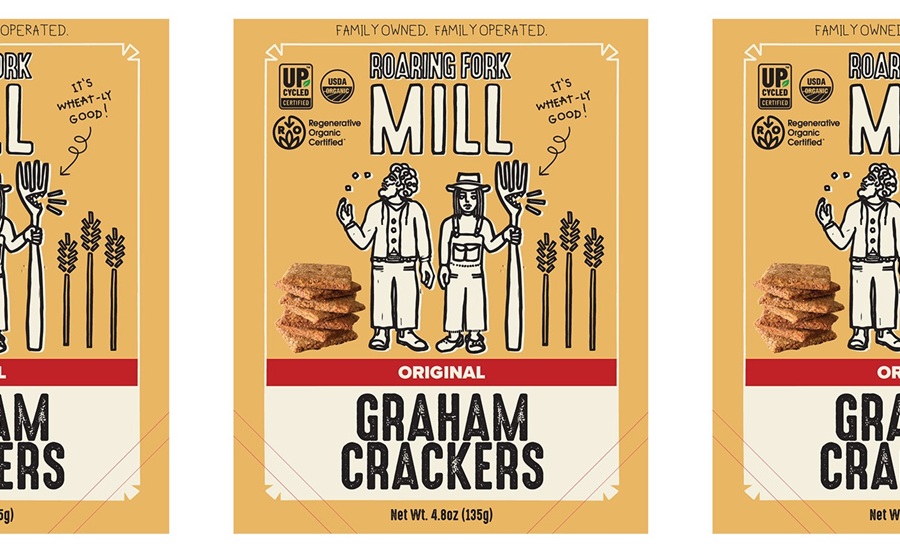
Graham Crackers, Roaring Fork Mill
Crafted with upcycled spent brewers' grain and regenerative organic certified flour, these honey-sweetened graham crackers bring sustainability directly into your snack rotation. They deliver a satisfying crunch and wholesome flavor that pairs beautifully with sweet or savory toppings. As interest grows in upcycled ingredients and regenerative food systems, this product hits that sweet spot between mindful sourcing and everyday enjoyment
Honey Nutty Oh’s Milk Chocolate Truffle Bar, Maeve
A favorite breakfast cereal in a chocolate bar form equals newstalgia at its finest! Blackberry blossom honey and oat cereal is blended with rich milk chocolate, dry-roasted almonds, and finished with a pinch of Himalayan sea salt.
JS: Honey does more than just add flavor—could you talk about some of its other potential functions when included in formulations?
CB: Honey brings a range of functional benefits to the baked goods and snacking space. It can help with moisture retention, contribute to browning and color development, and support texture and mouthfeel. Functionality is especially important in shelf-stable products, where maintaining freshness and consistency over shelf life is crucial.
Related: ASB announces Product Development Competition winner
Looking for a reprint of this article?
From high-res PDFs to custom plaques, order your copy today!