When you think about cookies, you might think of them as an indulgence or something high in calories—a treat, to only be eaten on days when you’re not watching your weight. However, in the past year, more better-for-you cookies are hitting the shelves, and there is a wide range of options for consumers.
The buns and rolls segment showed pockets of growth, with a mix of gains and losses across the board. While traditional products still maintain the lion’s share of the buns and rolls category, growth in gluten-free, organic and healthy options are starting to pick up.
The frozen breakfast food category, including waffles, pancakes and French toast, has seen relatively flat growth overall during the past year—but with pockets of positive sales data pointing toward new opportunities.
Bread is the largest category in the baking industry, and as such, faces continual challenges related to incremental growth. While legacy brands continue to perform well, the fresh bread, bagel and English muffin categories remained largely flat to slightly down over the past year.
In a report released last year, market research firm Euromonitor International examined the meal replacement segment, including snack and nutritional bars. What they found was that the space is in a state of transformation.
One momentous evening in 2011, amidst the verdant hills of Italy’s Tuscany region, as Jerry M. Bello, Jr. and his wife Shannon sat down for a meal at a traditional osteria while on vacation, inspiration struck.
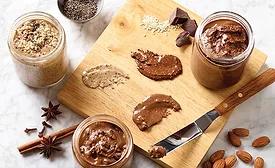
Usage of the term “better-for-you” can be confusing for some, but generally it means taking traditional foods—including many snacks and baked goods that are normally thought of as indulgent, like cookies and sweets—and improving them nutritionally, including cleaning up the label. This can largely be accomplished through ingredient selection.
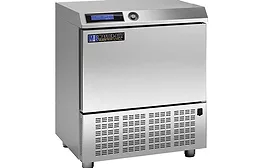
Cold-chain management—an essential aspect of many snack and bakery operations today—has entered a brave new world characterized by sophisticated temperature monitoring and tracking technology connected by the Internet of Things (IoT).
The latest bagging and closing equipment—performing everything from bagging and tying to heat-sealing—is flexible and able to produce a variety of bag styles. Also, modular machine designs allow for layout flexibility and scalability, which lets producers expand their production capacity.
Snack and bakery companies that work with dough, or looser components like batters, fillings or toppings, turn to manufacturers of depositors, dividers and rounders to cut, divide, portion and round or mould their products—and the equipment continues to get faster, more accurate, more customizable and easier to clean, among other winning qualities.
 RSS
RSS