Flavor, function, and other factors fuel fat and oil selection
With sometimes conflicting consumer desires at play, producers have their work cut out for them.
On the one hand, doctors often advise their patients to watch their fat intake. On the other hand, oils and fats help make chowing down on a snack or baked treat enjoyable. Maintaining the balance between good health and great eating experience means when it comes to selecting fats and oils in formulations, a producer’s job isn’t always easy.
Consumer concerns
Keith Albright, senior insights manager for bakery and confection with Cargill, says the company has paid close attention to what consumers want from fats and oils in their food and shares the insights with producers.
“Leveraging our FATitidues study, we’ve tracked consumers’ awareness, perceptions and behaviors around fats and oils in packaged foods for more than a decade,” he says. “The latest study, conducted in May 2025, shows just 17% of consumers report paying ‘extremely close’ attention to the fats and oils in packaged foods. That’s down four percentage points from 2024 and the lowest level recorded since FATitudes launched in 2013. Overall, a third of shoppers rated their attention to fats and oils in packaged foods as neutral, a record high that points to declining interest.”
Albright adds that when it comes to sweet goods, those figures are even lower.
“Attention to fats and oils in this category trails the broader food and beverage landscape—rather than actively avoid specific fats or oils, when consumers indulge, they want it to feel worth it. That makes quality, flavor and sensory experience non-negotiable — and explains why premium offerings rise to the top.”
Michelle Peitz, technical solutions and marketing for oils with ADM, notes that when shopping for goods in any aisle of the store, they are judging the package (including the Nutrition Facts panel) for a long list of things.
“Consumers evaluating baked goods and snacks purchases today are navigating a highly dynamic and nuanced food landscape,” she states. “Rather than prioritizing a single attribute, many shoppers are simultaneously considering nutrition, label-friendliness, cost or value, and overall product quality. For manufacturers, this means fats and oils are no longer viewed solely as functional ingredients but as components that influence how a product aligns with evolving consumer values and perceptions.”
Dilip Nakhasi, senior program director for food with the United Soybean Board (US Soy) says when shopping for bakery and snack foods, what consumers don’t want is often as important as what they do.
“Many consumers have become savvy ‘label readers’ and are actively looking to avoid products high in saturated fat while favoring products that offer a better balance of polyunsaturated and monounsaturated fats,” he notes. “In short, consumers want baked goods and snacks that feel both indulgent, but with the inclusion of fats and oils they perceive as healthier.”
Nakhasi adds, “Many consumers are trying to avoid products that are high in calories, sodium, sugar, and especially saturated fats. They’re also increasingly more cautious about ingredients lists, often steering away from products that include ingredient names they don’t recognize or understand.”
Erin Surrat, senior director for RD&A at Corbion, says consumers may be increasingly conscious of a food’s health benefits, clean-label benefits, and sustainability properties, but they also expect baked goods and snacks to deliver on taste, and occasionally give them a premium experience.
“Butter, especially in cookies and laminated dough, is commonly viewed as a more premium option because it contributes a richer flavor profile,” she says. “Consumers are also paying more attention to less ubiquitous oils like olive, avocado and coconut, which they often perceive as less industrialized and healthier than refined seed and vegetable oils, even though the evidence varies by oil and context.”
Peitz also advises producers to be aware of consumers’ increasing savviness about ingredients, and the close attention they pay to nutritional tradeoffs and formulation change.
“In this case, consistency, transparency and thoughtful formulation choices matter as much as the specific fat or oil used, reinforcing how nuanced fats and oils selection has become in snack and bakery formulations,” she says.
Challenges and solutions
April Parker, principal product developer for bakery with Cargill, says when selecting fats and oils, bakery and snack producers have to keep in mind all the ways those ingredients impact quality, texture, structure, shelf life, and other factors.
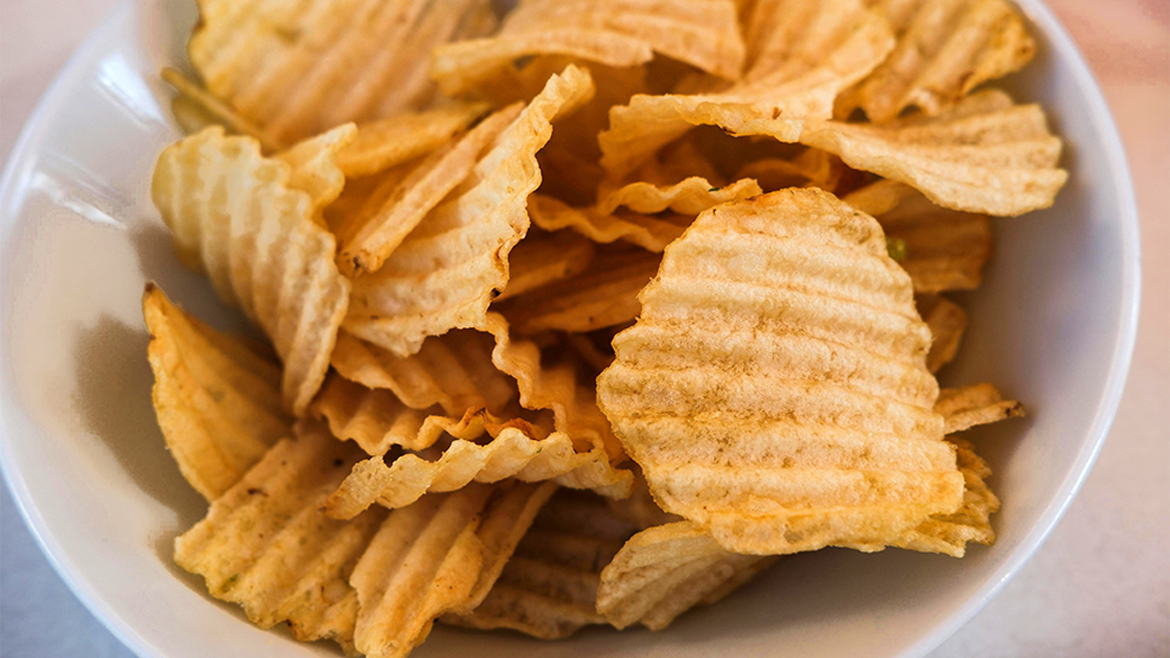 Image Credit: Markus Winkler/Pexels
“Because they serve multiple functions, finding the best solution requires a clear understanding of their role in each specific application, balancing function against other factors like desired claims and cost considerations,” she notes.
To pick the best ingredient for the job, Parker advises, producers should open a conversation with experts from suppliers and figure out all the moving pieces of the puzzle.
“True co-development starts with understanding what our customers are trying to achieve with their particular product, and their particular application and processing requirements,” she muses. “The clearer that picture is upfront, the more effectively we can help. It’s not always a fat solution—we have other levers we can pull to help customers achieve their goals. Whether they’re trying to reduce saturated fat, replace palm oil, or manage costs—when they come with specific priorities, we can work together to find solutions that preserve taste, texture, and overall product enjoyment.”
Nakhasi advises that the best oil or fat for the job is one that helps producers strike the right balance between function, flavor, and other consumer desires.
“Choosing the right type of fat and/or oil is essential, especially to support a more balanced nutritional profile,” he says. “Fats and oils mostly composed of unsaturated fatty acids, such as soybean oil and other domestically produced oils, can help manufacturers meet consumer expectations by providing both the functional properties needed and the nutritional attributes consumers value today.”
Peitz says consumer concerns often create tricky formulation challenges when it comes to oils and fats—trading one desire for another, or finding a compromise between two possibly conflicting values.
“Balancing better-for-you goals with sensory performance and economic realities is especially complex; oils that are widely recognized as consumer-friendly may come with higher costs or constrained supply chains, while more traditional oils often offer strong performance, stability, and affordability,” she notes.
Producers may weigh the possibility of changing up fats and oils in existing products to improve the health profile or for other reasons. However, Surrat suggests, not all ingredients are created equal.
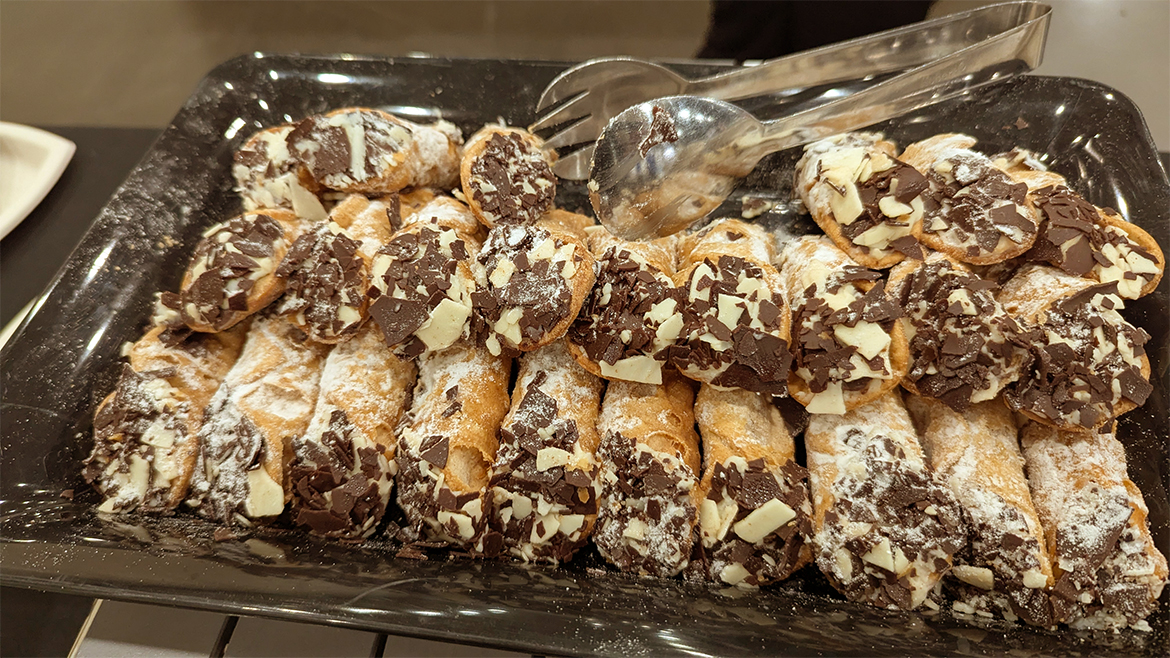 Image Credit: Jenni Spinner
“Changing an oil or fat is rarely a simple one-to-one swap because the fat system affects processing and finished product quality,” she says. “Moving away from traditional seed oils or palm-based fats can create challenges like losses in structure and functionality, greater rancidity risk, and decreased shelf life, and minimally processed oils may bring stronger intrinsic flavor notes that need to be managed.”
Peitz also suggests in addition to taste and other sensory factors, producers must figure in what other roles oils and fats play in a recipe.
“Manufacturers must also account for whether an application is fried or baked, as these formats have very different functional needs,” she observes. “In many cases, manufacturers look for middle-ground solutions that deliver improved nutritional positioning while maintaining cost efficiency, processing performance, and consistent quality, often relying on oils with strong domestic supply chains or carefully optimized fat systems.”
Peitz adds that ADM offers a broad range of fats and oils, suited for the particular demands of the snack industry as well as the bakery business.
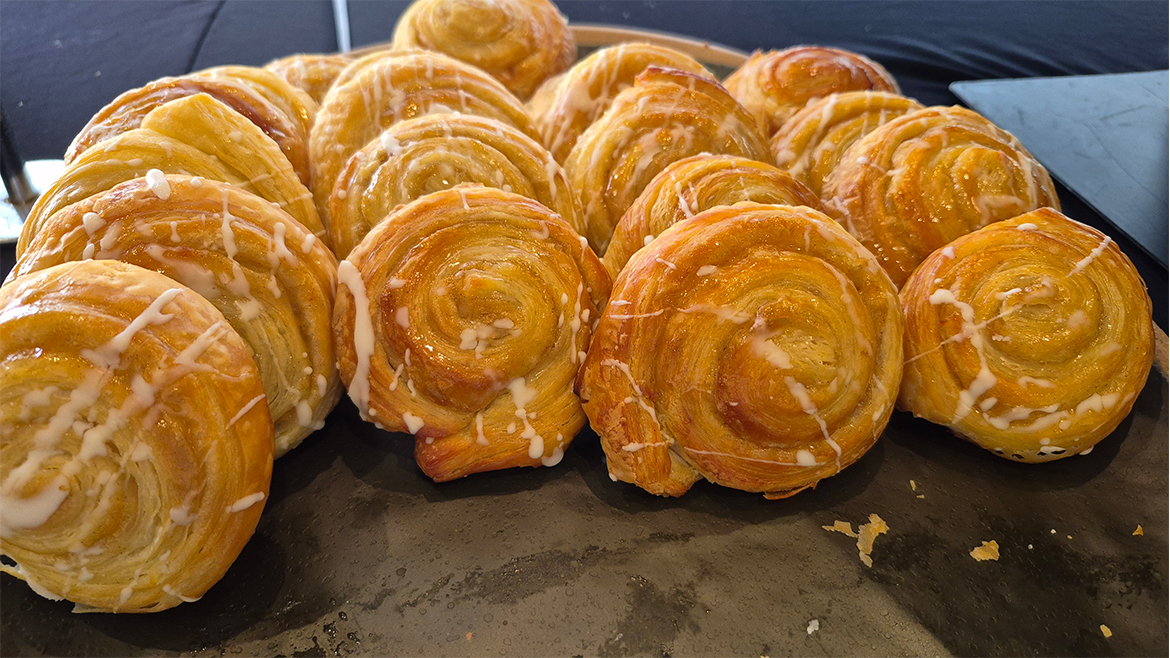 Image Credit: Jenni Spinner
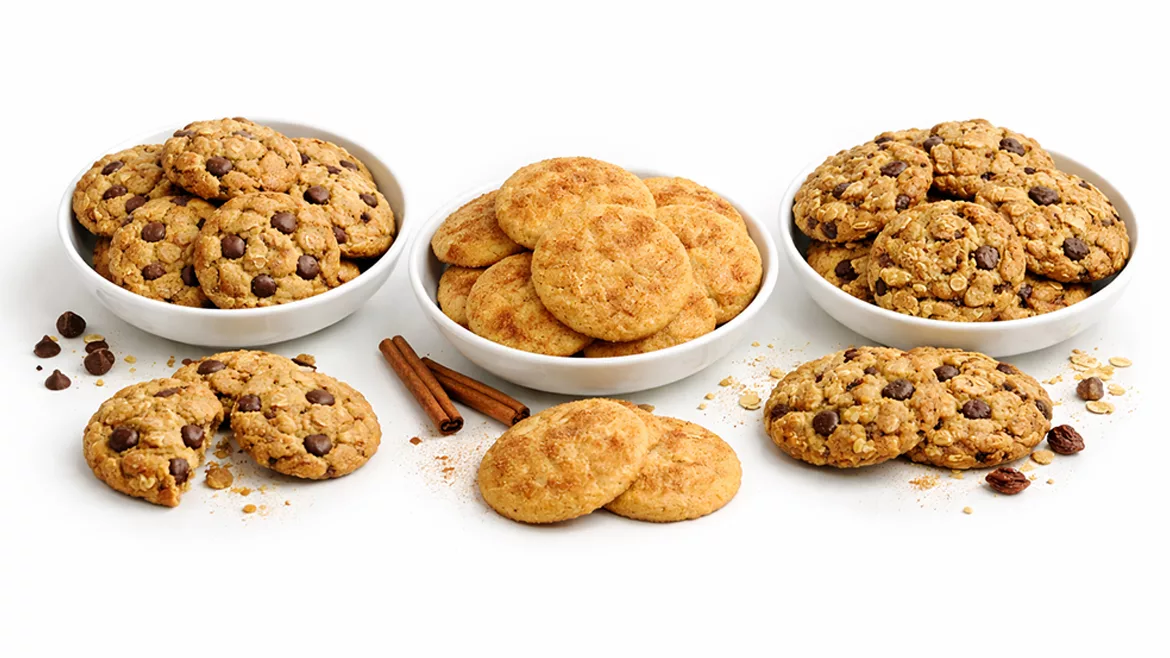
“For snack foods, commonly used options include liquid oils such as soybean oil, corn oil, sunflower oil and high-oleic varieties; these oils are well-suited for high-temperature processing and support the crisp texture, flavor delivery and shelf stability expected in these products,” she enumerates. “Bakery applications often require more structured fat systems to deliver specific textural outcomes, such as tenderness, aeration or shape retention. In these cases, solid or semi-solid fat systems—including shortenings, palm-based fats or blended systems that combine liquid and solid components—are typically more appropriate. These solutions help manage processing needs like creaming, spread and bake performance, while also supporting shelf life and consistency in products such as cookies, crackers, and snack bars.”
Parker says Cargill also offers several oil and fat products for different producer needs and applications.
“Newer to the portfolio, our PalmAgility 6000 series compound coating fats are premium, non-hydrogenated fats developed specifically for bakery and snack applications. They deliver improved heat stability, delay fat bloom formation and support a wide range of textures, from firm coatings to smooth, creamy fillings. They’re especially effective in compound coatings for snack bars, cookies, donuts, and cakes, helping create the kind of visual and sensory appeal consumers associate with indulgence.”
Parting thoughts
Peitz suggests checking in with trusted partners when weighing fat and oil options.
“Ultimately, fats and oils selection is not just a formulation decision but a strategic one,” Peitz states. “Partnering closely with an experienced supplier can help producers navigate complexity, identify balanced solutions, and ensure products continue to meet consumer expectations in an increasingly dynamic food space.”
Surrat suggests, “When reformulating products to incorporate less refined or premium oils, it is essential to conduct thorough flavor studies and comprehensive shelf-life evaluations. The concentration of fat or oil, along with its stability during processing, can significantly influence the flavor profile of your final product.”
Finally, Parker advises bakery and snack producers to work closely with partners and keep the consumers’ desires at the forefront when selecting oils and fats.
“Consumers may say they want a healthier donut, but if it doesn’t deliver on taste and enjoyment, will they actually buy it?” she asks. “For many shoppers, one memorable moment of joy matters more than incremental better-for-you gains. That’s why we partner closely with our insights and sensory teams to understand those expectations and help customers design products that truly resonate. When those pieces align, that’s when innovation really takes off.”
Looking for a reprint of this article?
From high-res PDFs to custom plaques, order your copy today!