The invention of potato chips is an American innovation story
While the story varies from teller to teller, one man is most frequently given credit.
Potato chips are a delicacy enjoyed around the globe in various forms, but as Americans, we really love the snack. According to Smithsonian magazine, we gobble up about 1.9 million pounds of chips each year—that’s around 6.6 lbs of potato slivers annually, per person.
One question that’s occurred to me is, what culinary genius do we have to thank for the glorious savory morsel that is the potato chip? Well, just like chips come in many versions—kettle, wavy, sweet potato, baked, fried, etc.—so do tales of chip’s invention.
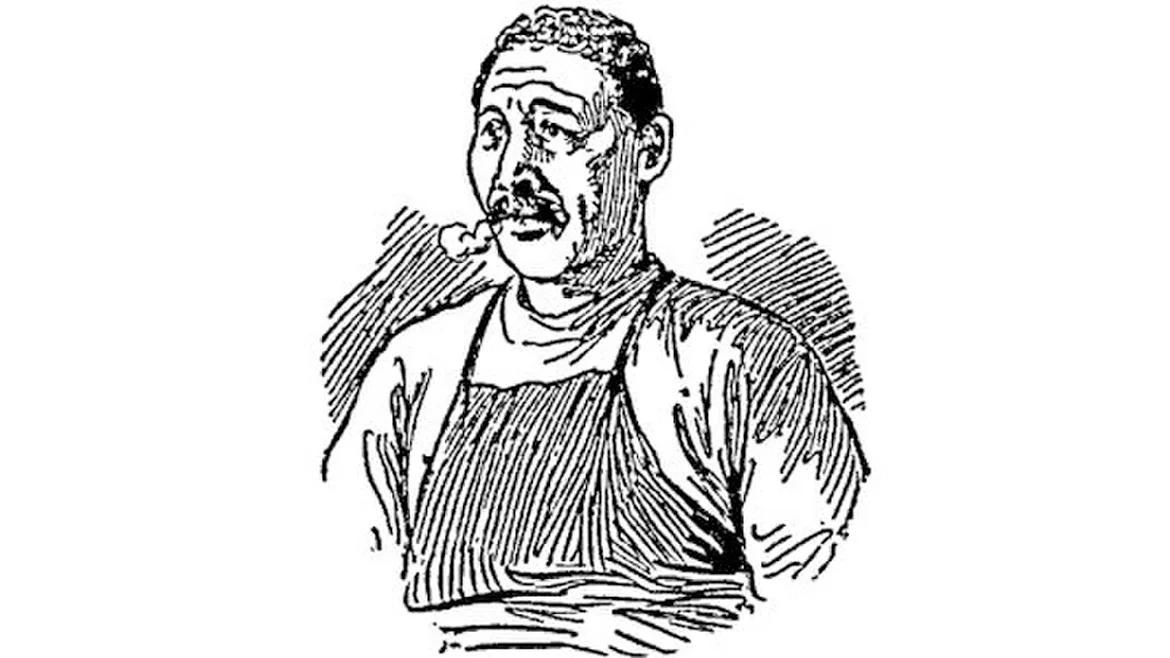
Most commonly credited is a restauranteur of Black and First Nations descent, named George Crum. In the 1850s, he worked as the chef at popular eatery Moon’s Lake House, situated in the resort town of Saratoga Springs, NY. The spot entertained more than its share of well-to-do vacationers, many of which who could be pretty particular about the food they were served. One such persnickety patron was railroad tycoon Cornelius Vanderbilt—when his order of French fries arrived and he bit in, Cornelius complained that the potato strips were too soft and mushy and sent them back. Frustrated, Chef George cut the replacement spuds incredibly thin and narrow, then fried them until crispy as a prank, sent them back out to the grumpy diner and waited.
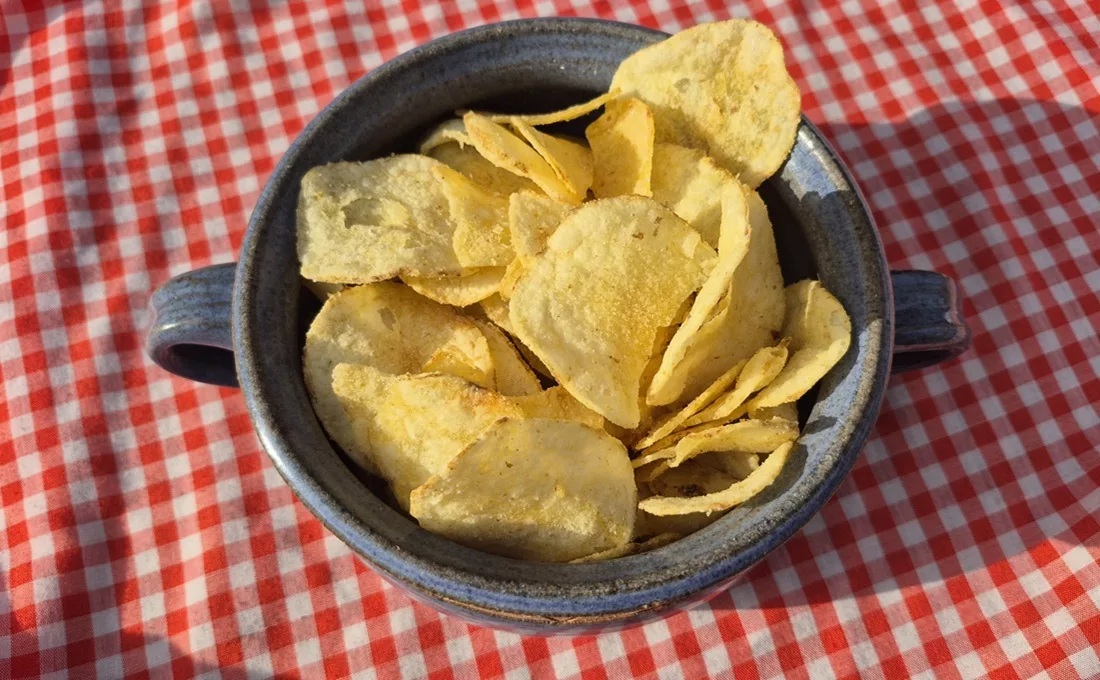 Photo Credit: Jenni Spinner
Fortunately, the tycoon was thrilled with his new dish. He and other diners sang the praises of the item, which Crum christened “Saratoga Chips” and continued serving up to patrons who raved about the snack. Crum built up his name enough upon that simple but ingenious treat that he later opened his own restaurant, where diners munched on the chips before their meals.
However, Crum’s widely acknowledged status as the chip’s inventor has an asterisk or two on it. Historians point out that cookbooks predating the encounter with Vanderbilt offer recipes for thinly sliced, crisply cooked potato slices. Another cook working in the area around the same time—a woman remembered only as Eliza, no last name—also reportedly served crispy tater slices to appreciative diners. There were others, but it turns out their names are partially or totally forgotten, and Crum is most closely associated with the creation of potato chips and the wildfire-like spread of their popularity.
Snack and bakery history is fascinating—if you know of any stories about potato chips, cakes, candies, or other treats we cover in Snack Food & Wholesale Bakery and its sister publication Candy Industry, send them to me at spinnerj@bnpmedia.com. I’d love to hear the tales of treats—especially if they’re the snacks or baked goods you make!
Looking for a reprint of this article?
From high-res PDFs to custom plaques, order your copy today!