Snack and Bakery logo
search
cart
facebook twitter linkedin youtube
  • Sign In
  • Create Account
  • Sign Out
  • My Account
Snack and Bakery logo
  • SNACK PRODUCTS
    • New Products
    • Chips
    • Crackers
    • Frozen Snacks/Appetizers
    • Nuts & Trail Mixes
    • Popcorn
    • Pretzels
    • Puffs/Extruded Snacks
    • Tortilla Chips
    • Other Snacks
  • BAKERY PRODUCTS
    • New Products
    • Bars
    • Breads
    • Breakfast Products
    • Cookies
    • Desserts
    • Pizza
    • Muffins
    • Snack Cakes
    • Sweet Goods
    • Tortillas
  • INGREDIENTS
    • New Ingredients
    • Chocolate
    • Dairy
    • Extruded
    • Flavors & Colors
    • Fruit
    • Functional
    • Grains
    • Inclusions
    • Nutritional
    • Nuts & Seeds
    • Sweeteners
  • EXCLUSIVES
    • EQUIPMENT
      • New Equipment
      • New Technology
      • Belts & Conveyors
      • Depositors, Dividers & Rounders
      • Extruders
      • Fryers
      • Laminators & Sheeters
      • Mixers
      • Inspection & Detection
      • Ovens & Proofers
      • Packaging
      • Slicing, Cutting & Portioning
    • State of the Industry
      • State of the Industry: Snacks
      • State of the Industry: Bakery
    • Bakery of the Year
    • Snack Producer of the Year
    • Top 50 Snack & Bakery Companies
      • Submit Your Company
  • TRENDS
    • Artisan Baking
    • Better-For-You
    • Cannabis Edibles
    • Clean Label
    • Flavor Trends
    • Food Safety
    • Gluten-free
    • Keto
    • Plant Efficiency
    • Sustainability
  • MORE
    • Blogs
    • Case Studies & Advertorials
    • Classifieds
    • Newsletter
    • Ingrained Insights Podcast
    • SFWB Store
    • Image Galleries
    • Submit New Products
    • Videos
    • Webinars
  • DIRECTORIES
    • SFWB BUYER'S GUIDE
    • CANDY BUYER'S GUIDE
    • Get Listed!
    • Take a Tour
  • CANDY
  • SIGN UP!
    • eMagazine
    • Archive Issues
    • Advertise
    • Contact
    • SIGN UP!
TrendsColumnsFood Safety

Food safety regulations extend to transportation
By Peg Ray
food safety column
May 18, 2017

As of April 6, 2017, the Food Safety Modernization Act (FSMA) Sanitary Transportation of Human and Animal Food rule goes into enforceable compliance. This came about due to foodborne illnesses associated with gaps in programs around how foods are transported via rail and motor vehicles to the next processor or end distribution point. As with all FSMA updates, this critical element in the food supply chain has risk-based considerations.

The rule identifies foods considered vulnerable while in transit to their next destination. Packaged and bulk foods that must be shipped under temperature-controlled conditions to prevent risk of pathogen growth for food safety are one type of food covered under this regulation. This requires appropriate temperature maintenance during shipment. Another product covered in the rule is bulk food materials that are exposed to multi-use bulk vehicles. These associated risks are managed through previous load and wash ticket information to prevent cross-contamination and allergen cross-contact.

Packaged, shelf-stable foods that do not require temperature controls are exempt from the rule. It also does not apply to foods that are managed through other programs.

The rule spells out specific roles and responsibilities of the key players tasked with getting affected food products to their next destination. These are identified as the shipper (person who arranges for transportation of food in the U.S.), loader (person who loads the food onto a motor or railcar for the transportation operation), carrier (person who physically moves the food via rail or motor vehicle for commerce in the U.S.), and receiver (person who receives food in the U.S. after transportation).

The shipper is responsible for including transportation in the hazard analysis to identify any risks associated with shipping. These risks must then be controlled through written procedures communicated to both the loader and carrier. The shipper must inform the carrier in writing about the type of vehicle to be used, temperature requirements (if applicable) and any special instructions needed to maintain the food-safety integrity of the product being transported. Special considerations for bulk vehicles will include the identification of the previous load, wash ticket information, mechanical condition of the vehicle and its equipment, and anything else that is needed to ensure food-safe transport of the bulk food.

The loader controls the food-safety-related conditions of the load during staging and loading the material onto the transport vehicle. This person must follow written standard operating procedures (SOPs) provided by the shipper to ensure that the integrity of the load is maintained during loading. These steps include inspection of vehicle for overall condition prior to loading, temperature controls (if applicable) during the loading process, and pre-cooling of the vehicle when required. If wash tickets and prior load documentation are required for bulk vehicles, the loader may be designated by the shipper to review these documents as evidence that the required sanitary conditions have been met.

The carrier provides the transport vehicle and usually the driver. The responsibility for ensuring vehicle maintenance and sanitary conditions is assigned to the carrier by the shipper through written agreements. The carrier is obligated to ensure that vehicle maintenance and conditions in wash stations are effective and do not create any potential for physical, biological or chemical contamination, including allergen cross-contact. Carriers are responsible for the maintenance and calibration of temperature monitoring devices since they provide the equipment. Additionally, carriers are responsible for documenting the training provided to drivers to ensure they understand the importance of elements specific to their assigned responsibilities. This training would include basic hygiene, sanitation and temperature control.

The receiver accepts delivery of the product at the transportation end point. Review of pre-load wash tickets, previous load information and a visual inspection of the inbound load, equipment and temperature records are part of the processes used to determine if the load has been properly maintained. Receiving records document the pertinent information based on the decision to accept the load.

Each entity is responsible to keep required records for 12 months to demonstrate that they have followed the required protocols and procedures to keep the food supply chain safe. Procedures must be kept on site for immediate accessibility. Records supporting the procedures must be available within 24 hours when requested by FDA. 

KEYWORDS: FDA Food Safety Modernization Act supply chain

Share This Story

Looking for a reprint of this article?
From high-res PDFs to custom plaques, order your copy today!

Peg Ray is the manager of reports and data analysis for AIB International. She has over 40 years of food industry experience.

Recommended Content

JOIN TODAY
To unlock your recommendations.

Already have an account? Sign In

  • cookies stacked

    The top 50 snack and bakery companies of 2024

    The top-selling companies among baking and snack players...
    Snack Products
    By: Liz Parker Kuhn and Jenni Spinner
  • IHOP new menu inspired by "IF" movie

    Most popular new products: May 2024

    Products range from a Reese’s Puffs collaboration with...
    Snack Products
    By: Liz Parker Kuhn
  • state of the industry bakery: 2024

    State of the Industry 2024: Bakers continue to show resilience and creativity

    For the past several years, the baking industry has faced...
    Special Reports
Manage My Account
  • eMagazine Subscription
  • Manage My Preferences
  • Newsletter
  • Online Registration
  • Subscription Customer Service

More Videos

Popular Stories

Two loaves of bread, one more round and one more long/rectangular, both in packaging.

State of the Industry 2026: Bread shifts towards healthier alternatives

Burger served on white plate on top of a decorated table

State of the Industry: Buns keep rolling along

Candy Hall of Fame Experience selects Chicago as its home

Video: Candy Hall of Fame prepares to open in Chicago

Speaking Gen Y/Z/Alpha's Language Webinar

Events

August 20, 2025

Breaking the Mold: Fresh Perspectives on Modern Bakery Packaging Solutions

On-Demand Join us for a practical look at how bakeries can modernize packaging lines and better align with emerging retail and environmental demands. Key takeaways:

January 1, 2030

Webinar Sponsorship Information

For webinar sponsorship information, visit www.bnpevents.com/webinars or email webinars@bnpmedia.com.

View All Submit An Event

Products

Natural Food Flavors and Colorants, 2nd Edition

Natural Food Flavors and Colorants, 2nd Edition

Although many foods are appealing, and even perceived as natural, in spite of containing synthetic additives, consumer increasingly prefer food products which are fully natural.

See More Products

global top 100

Related Articles

  • Act now to comply with food-safety regulations

    See More
  • FDA Issues First Food Safety Regulations Under New Law

    See More
  • New regulations hold bakery owners accountable for food-safety violations

    See More

Related Products

See More Products
  • handbook of.jpg

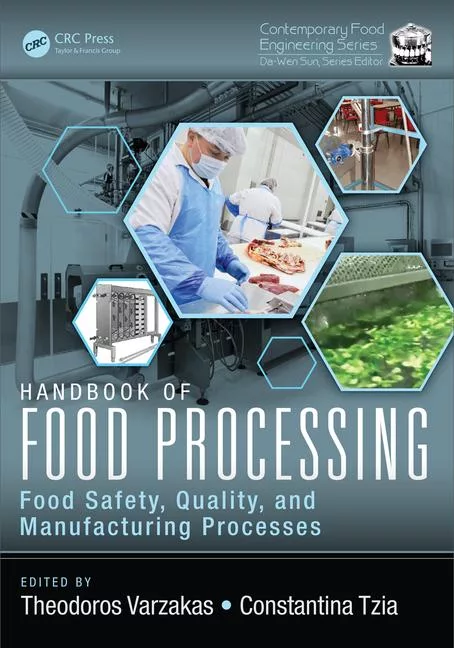
    Handbook of Food Processing: Food Safety, Quality, and Manufacturing Processes

  • ready to eat

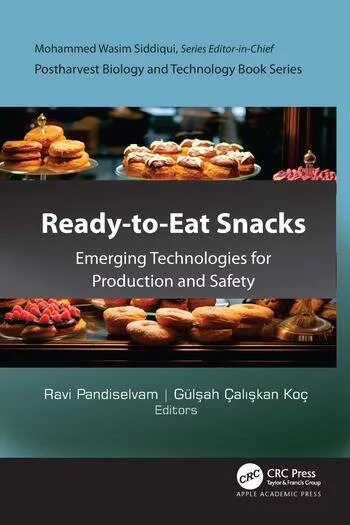
    Ready-to-Eat Snacks: Emerging Technologies for Production and Safety

  • methods.jpg

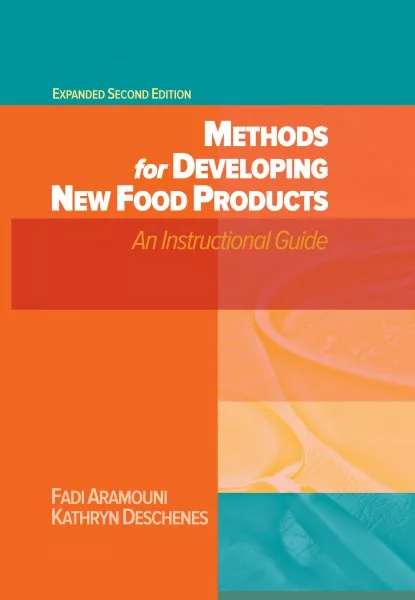
    Methods for Developing New Food Products, Expanded Second Edition

See More Products

Events

View AllSubmit An Event
  • April 25, 2013

    Food Plant of the Future: Global Food Safety Impact on Facilities

    On-Demand: SQF 2000, FSMA, ISO 22000/PAS220 and other standards continue to gain traction in an attempt to create safer foods and beverages.
  • March 1, 2010

    Food Plant of the Future: Advancing Food Safety through Sanitary Design

    On-Demand Food and beverage companies work hard to consistently deliver safe products because they understand that the stakes are extremely high for the public and for their companies.
View AllSubmit An Event
×

Snack on the latest trends, news, and developments!

Stay in the know with Snack Food & Wholesale Bakery, the premier source of information for snack, bakery, and confectionery professionals.

JOIN TODAY!
  • RESOURCES
    • Advertise
    • Contact Us
    • Directories
    • Store
    • Want More
  • SIGN UP TODAY
    • Create Account
    • eMagazine
    • Newsletter
    • Customer Service
    • Manage Preferences
  • SERVICES
    • Marketing Services
    • Reprints
    • Market Research
    • List Rental
    • Survey/Respondent Access
  • STAY CONNECTED
    • LinkedIn
    • Facebook
    • YouTube
    • X (Twitter)
  • PRIVACY
    • PRIVACY POLICY
    • TERMS & CONDITIONS
    • DO NOT SELL MY PERSONAL INFORMATION
    • PRIVACY REQUEST
    • ACCESSIBILITY

Copyright ©2026. All Rights Reserved BNP Media, Inc. and BNP Media II, LLC.

Design, CMS, Hosting & Web Development :: ePublishing