Consumer insights drive bakery and snack innovation: Kerry
An expert from the flavor firm points out trends to follow in the coming months.
“What flavors do consumers want?” is a question bakers, snack makers, and other food professionals constantly ask in the pursuit of developing and fine-tuning their product lineups. Their curiosity is shared by suppliers like Kerry, who regularly explore in order to determine exactly what tastes are most likely to attract their attention. In order to dive deeper, we connected with Soumya Nair, global director of consumer research and insights with Kerry.
Jenni Spinner: Could you please tell me a bit about the Kerry Global Taste Charts, and all the work and thought that goes into the report with the scientists, flavorists, consumer research, etc.?
Soumya Nair: The Kerry Taste Charts are not just a trend report for 2026; they are prepared diligently as a future-facing taste and flavor toolkit that inspires menus and products of the future. What makes it unique to the industry is the depth, discipline, and translation. We infuse global consumer insight, foodservice menu information, new product launch trends, and Kerry’s proprietary sensory and application expertise into a multi‑year framework that captures early signals of taste. While data rich, expert human judgement is central to the flavors selected on the chart.
Our customers don’t just read our Taste Charts; we help them build innovation pipelines around them. Most trend reports answer “what’s trending?” but we answer the burning question: “what should the next launch be, and why will it win?” It is a major source of trust.
Our Taste Charts highlight global and local flavors and the forward-looking design framework - “Now, New, and Next” flavors points toward early-signals beyond mainstream adoption. Our grounded methodology covers five years of data that also helps us avoid the pitfalls of chasing a trend. This 14-year-old framework gives us a rare continuity of watching flavors, and the experience helps us filter out the noise and challenge the hype around trends. This year we have over nine charts across sweet, savoury snacks, alcoholic beverages, refreshing beverages, tea and coffee, soups, sauces, dressings, meat and meals, and also have a view on supplements and pet food categories.
JS: Let’s talk about some of the hot trends your research uncovered, starting off with dragonfruit. That hot flavor stands at the intersection of a few trends, so please tell us about the factors at play there, and what kinds of products we might see that flavor pop up in.
SN: We have identified that consumers want to turn up the volume on flavor this year. Our seven trends for 2026 that accompany our Taste Charts highlight Maximalist Taste. Familiar flavors are being layered, refined, and globally influenced. At the same moment, Simplicity Amplified celebrates whole foods, fermented flavors, and earthy profiles that feel both wholesome and elevated. It’s not just about what’s removed—it’s about what’s revealed.
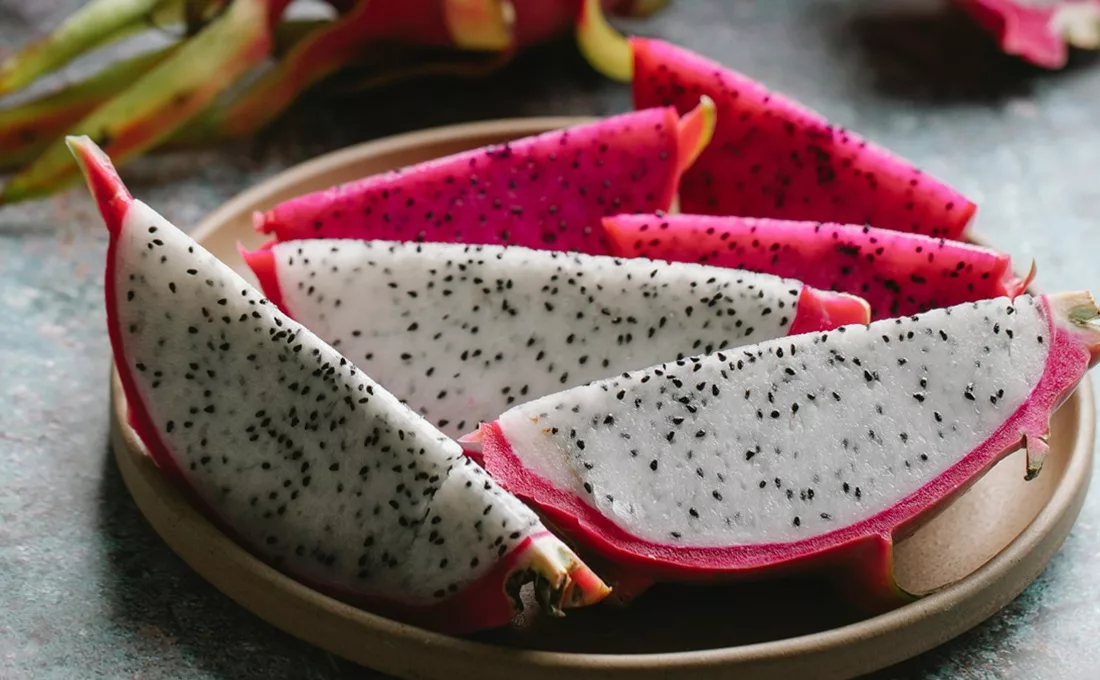
Dragon fruit or pitaya, as the example, smashes consumer desire for clean yet vibrant flavors with a 17% growth in NPD over the past five years. This camera-ready flavor is accelerated significantly in beverages, jumping off from glass to cup across the Americas, inspiring beverages across Asia and Europe as well. Dragonfruit provides a great palate for popular combinations with citrus fruits (+yuzu), tropical fruits (+passionfruit), botanicals (+orange blossom), and functional-forward flavors (+ginger).
JS: With botanicals and florals, how is that flavor trend surging, and what kinds of items (especially baked stuff and snacks) might we see those flowery flavors flow into?
SN: Botanicals are a strong theme, especially among the younger Gen Z and younger Millennial populations. They have even established themselves as a strong mainstreaming flavor, from Lavender lattes to Lavender Mocktails, from Latin America to Europe. Strong flavor pairings with coffee and blackberry, and with other botanicals such as mint and elderflower, are emerging today.
Lavender is also paving the way for more florals—you will see Rose across our Taste Charts as an emerging flavor from sweet goods to beverages.
Rosemary and Sage are two other strong botanicals helping with sweet+savoury trend come to life—from Smoked Sage Beverages to Rosemary-flavored snacks.
JS: Then with global intersections, please tell us about the international flavor fusions that are popping up, and how they might show up in bakery and snack aisles in the coming months.
A key moment in the culinary diaspora is going beyond third-culture cuisine, into flavors and preparation methods that translate heritage flavors across geographic confines. Today’s consumers are remixing tradition with innovation, under the Heritage Reclaimed trend. Unlike past trends that focused on honoring or modernizing tradition, this is about rewriting it—where cultural memory meets digital tools, and authenticity is defined by the individual.
This has given identity to several flavor movements, such as globally flavored salty snacks—Korean Barbecue in the U.S., Curry in Canada, and Tikka Masala in Europe.
Global flavors are giving rise to the evolution of the swicy movement. “Swicy” has had over a year of existence with hot honey as a popular flavor combination, but now we see savory flavors influence sweet foods and beverages, such as miso and gochujang caramel, sage butterscotch; also offering new lower-sugar, full-flavor solutions.
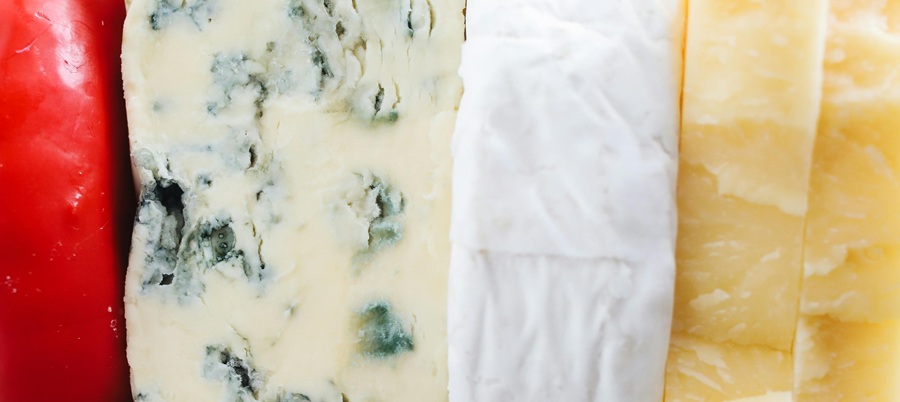 Photo: Polina Tankilevitch/Pexels
JS: Then, with “beyond cheddar,” how are elevated cheesy flavors popping up, what cheeses are emerging, and what kinds of products might these be used in?
SN: There is no conversation complete without the mention of cheese. Cheese flavors will continue to signal nostalgia and comfort, as well as excitement and indulgence in one bite. Cheese flavors span from mainstream sour cream and cheddar (mainstay salty snack potato chip flavor) to versatile flavors such as garlic parmesan, and onion and cheese (Latin America trending flavor combination).
JS: This is fun—customers can order samples of the trending flavors you report on. Could you please tell us a bit about that?
SN: The goal of this digital tool is to turn future flavors into something customers can touch, taste, and test. We want them to explore flavors, understand the consumer-why, and order physical samples to help with prototyping. This helps us translate ideas to action within hours and days.
In 2026, Taste Charts moved from inspiration to action in one connected flow. The key difference this year is that customers can go directly from a trending flavor insight to ordering physical samples, without breaking the journey or relying on follow‑up emails or separate requests saving precious development time.
JS: Any final thoughts?
SN: It’s the year of unexpected but delightfully delicious flavor pairings, from fermented, toasted, smoked notes add a layered taste experience to mainstream flavors. Think scorched and fermented pineapple, umami-forward strawberry tahini, and sensations that evoke a multi-sensorial experience (such as Frosted Hibiscus with a cooling sensation, Tamarind Chamoy with a tingling/warming flavor experience).
Related: Bold colors, flavors impact snack and bakery trends
Looking for a reprint of this article?
From high-res PDFs to custom plaques, order your copy today!