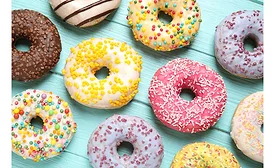
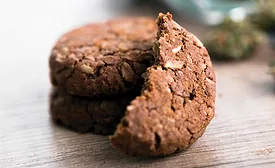
These days, you can have your cake and eat it, too. Today's sweet bakery treats like cakes, pies, cheesecakes, and cookies often combine the best of multiple worlds, bridging apparent gaps between indulgence, better-for-you and specialized dietary choices, clean label, sound functionality, and globally minded sustainability.
There was a time, not so long ago, when nutritional boundaries were more clear-cut. "Indulgent foods weren't healthy," says Mel Festejo, COO, American Key Food Products, Closter, NJ. "They either had a surfeit of nutrients that triggered health issues, or they contained ingredients whose names raised anxiety."
Snacks have to work pretty hard to keep up with consumer preferences these days. For one, they have to be suitably snackable, i.e., convenient and portable.
Royal DSM, a global science-based company in Nutrition, Health and Sustainable Living and Avril, France's fourth-largest agro-industrial group, has announced the launch of their joint venture, Olatein, to produce canola (rapeseed) proteins for the global food market.
Epogee LLC announced its revolutionary new alternative fat, EPG, has achieved additional GRAS (Generally Recognized As Safe) status by the United States Food and Drug Administration (FDA).
Snack Food & Wholesale Bakery was recently able to talk to Jamie Mavec, marketing manager, Cargill Global Edible Oil Solutions, Minneapolis, as well as Sonia Punwani, global bakery leader, about Cargill's most recent FATitudes study on oils.
If it seems as though what's not in a product these days is as important as what is, you're not imagining things. The insistence on "clean" and "simple" ingredients that began with a fringe of vigilant label readers has pervaded the marketplace.
The 2018 Farm Bill cleared the pathway for legal cultivation of industrial hemp in the U.S. Botanically, non-psychoactive industrial hemp and psychoactive cannabis are identical, classified as Cannabis sativa.
 RSS
RSS