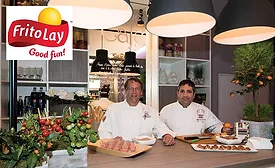
Back in the early 1930s, when Charles Elmer Doolin started The Frito Company and Herman Lay started H.W. Lay & Company, they were establishing the groundwork for a snack empire. The two companies merged in 1961, and four years later joined forces with The Pepsi-Cola Company to create PepsiCo, which operates Frito-Lay as a subsidiary.
In private label today, as we see elsewhere across the snack and bakery industry, clean label is still the current buzz phrase, and consumers continue to seek foods that fall into the larger better-for-you category.
As snack and bakery categories shift and draw inspiration from one another, producers are finding opportunities to adjust the ingredient makeup in traditional products to create new snacking opportunities.
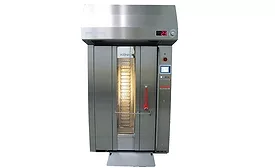
Snack and bakery equipment companies have been busy updating ovens and proofers in recent months. Recently released and updated ovens have included features like greater energy savings, shorter turnaround time and wireless remote monitoring, sometimes those provided by component subcontractors.
Packaging materials have evolved to meet new demands today’s snack and bakery market. A desire for longer shelf life paired with fewer preservatives in the foods and healthy eating overall has prompted the need for lightweight packaging, thinner barrier materials and convenience features on thinner, more-sustainable substances.
Sustainability—the efforts to be environmentally friendly and good stewards of the earth—is important not just among consumers, but for corporate entities, as well. While many consumers regularly make personal choices that reflect their environmental focus, they expect the companies that they patronize to do the same.
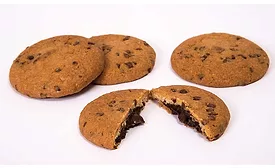
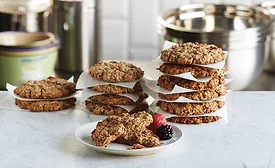
In a retail landscape that demands that snacks and baked goods have it all—great taste, affordable pricing, innovative flavors, recognizable ingredients and boosted nutrition—one category in particular is rising to the challenge: cookies.
Today’s snack and bakery market remains as fiercely competitive as ever. The definition of what constitutes a “snack” is tracking an evolutionary course, shifting in step with consumer trends and desires.
In the most recent Dietary Guidelines for Americans, the USDA recommended that we consume 6 ounce equivalents of grains per day, half of which should be whole grains.