Consumers concerned about palm oil sourcing: Cargill
An expert from the supplier discusses challenges related to the popular ingredient.
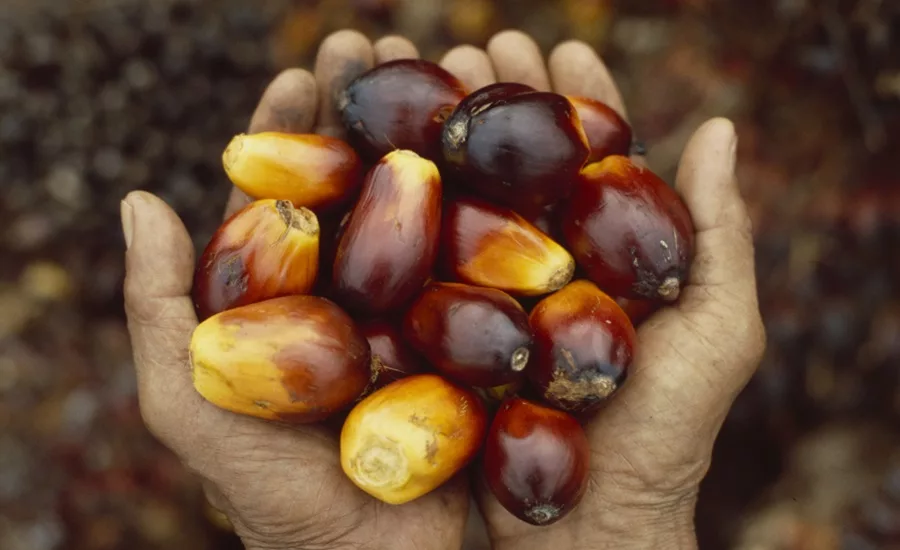
Courtesy of Cargill
Palm oil, according to the World Wildlife Fund, is a very common ingredient in CPG goods sold in the U.S.—it is in many food products, and about half of all packaged items, including cosmetics and soap. When reaching for products with the ingredient, consumers are increasingly curious about where the palm oil comes from, and if it is responsibly, sustainably sourced. That interest has many bakery and snack producers looking to shift the palm oils they use in their wares.
To learn more about the issue and what snack makers and bakers should know, we connected with Julie Robey, Cargill’s go-to-market sustainability director for Food North America with Cargill.
Jenni Spinner: Could you please share an overview of what kinds of bakery and snack products palm oil has been used in over the years?
Julie Robey: You’ll find palm oil used in a wide range of baked goods, including cakes, cookies, puff pastries, pies, and croissants. In the snack aisle, palm oil is equally prevalent, finding its way into everything from crackers to popcorn. In baked goods, palm oil contributes to structure, body, mouthfeel, and texture. Additionally, its oxidative stability contributes to long shelf life for both baked goods and packaged snacks.
JS: Then, folks across the board (consumers, producers, retailers, etc) are increasingly aware of and concerned about palm oil that is sustainably and responsibly sourced. Could you please talk a bit about what that means?
JR: Let’s start with a definition. The Roundtable on Sustainable Palm Oil (RSPO), of which Cargill is a long-time member, defines sustainable palm oil as being “farmed, processed, distributed and sold responsibly with strict rules that protect animals, the environment and the people who live and work in palm oil-producing countries.”
This aligns with growing consumer expectations around issues like climate change and deforestation. Surveys show that environmental considerations increasingly shape purchasing decisions. According to a 2024 Global Scan report, 45% of consumers say they are personally impacted by climate change, a notable increase from 2020. Similarly, research from the International Food Information Council indicates three in four Americans consider climate change a major concern, and many are evaluating how their food choices contribute to environmental impact.
This shift in consumer sentiment is reshaping priorities. Cargill’s latest Fatitudes research, which tracks perceptions of fats and oils in packaged foods, found over a third (36%) of U.S. consumers say they check packaged food labels for oil-related sustainability claims. Retailers and manufacturers are responding by prioritizing “sustainably” sourced palm oil, with many committing to using only RSPO-certified palm oil.
JS: What are some of the challenges for a producer looking to shift their supply chain to more sustainably sourced palm oil—feel free to talk about anything from relative lack of options, to cost, to anything else that comes to mind.
JR: Many manufacturers assume that shifting to sustainable palm oil is costly or logistically difficult, but in reality, certified options are more accessible than ever. Minimal cost differences and ample supply make switching to a more sustainable option a straightforward proposition.
There’s also a range of certifications to meet customers’ needs. RSPO offers both Mass Balance and Segregated options, the difference being the level of traceability back to the source. RSPO-certified Mass Balance palm oil allows blending of conventional and RSPO-certified palm oil, but still contributes to more sustainable palm oil production. RSPO-certified Segregated palm oil requires complete traceability, ensuring that the palm oil remains separate from conventional supplies throughout the supply chain. It is produced on RSPO-certified sustainable palm oil plantations and refined at RSPO-certified facilities.
Thanks to efforts by suppliers like Cargill, both options are now widely available. The RSPO’s latest Impact Report notes 9.8 million metric tons of certified sustainable palm oil were used in consumer or industrial goods in 2023 alone. Clearly, we’ve come a long way since RSPO’s founding 20 years ago!
JS: Then, can you talk about some of the challenges a supplier like Cargill faces when looking to increase the more responsible/sustainable palm oil options it offers to customers?
JR: Palm oil is not only the world’s most versatile vegetable oil, it’s also the most productive. Compared to other oil crops, it requires four to ten times less land to produce the same amount of oil.
However, the complex and highly fragmented nature of the palm oil supply chain does present challenges. Globally, Cargill operates 19 refineries, nine mills, three kernel crush plants, and nine palm plantations, sourcing directly from more than 26,000 smallholder farmers on 51,500 hectares of land – that’s a lot to keep track of. But on top of our direct supply chain, we also procure palm oil through traders and refiners.
Satellite technology is one of the tools we use to monitor these indirect supplies, allowing us to remotely monitor and detect changes to forested areas. We couple technological solutions with things like hands-on training for smallholders and cross-industry collaborations to address systemic issues. You can learn more about our work in our latest Impact Report.
JS: Let’s talk about the Round Table on Sustainable Palm Oil (RSPO) and the work that it does—please share an overview of its work and how it benefits the snack and bakery biz.
JR: The RSPO is a global organization that sets standards for more sustainably produced palm oil. It’s the gold standard of the industry, and one that is regularly updated to reflect evolving needs and expectations. Through rigorous certification programs, RSPO helps companies verify that their palm oil supply chain meets sustainability benchmarks, such as reducing deforestation, protecting biodiversity and supporting fair labor practices.
For the bakery and snack industry, RSPO certification provides assurance that palm oil ingredients align with consumer demand for ethical sourcing while helping brands mitigate supply chain risks.
JS: How is Cargill working with the RSPO to bring more appealing solutions to customers?
JR: Cargill is committed to more sustainability across our supply chains, and palm oil is no exception. As one of the first large-scale U.S. suppliers to offer RSPO-certified segregated palm oil, we prioritized responsible sourcing. In fact, as of January 2024, all palm oil from our U.S. refineries is RSPO-certified, ensuring customers receive palm oil, sourced from either mass balanced or segregated supply chains, that meets stringent sustainability standards.
Converting our North American palm oil supply required long-term commitment on our part. In order to ensure sufficient quantities of RSPO-certified palm oil, Cargill invested $200 million in a new palm oil refinery in Lampung, Indonesia. Due to its strategic location, the Lampung refinery sources palm oil directly from Cargill-owned plantations and mills and selected third-party mills which are compliant with RSPO standards.
JS: Is there anything you’d like to add?
JR: Sustainability in palm oil is not just a challenge—it’s an opportunity for brands, suppliers, and farmers to drive meaningful change. By working together, we can strengthen supply chains, support more sustainable agricultural practices, and deliver palm oil that benefits our customers and the communities and ecosystems that depend on it. Our commitment to sustainability is ongoing, and we invite our partners to join us in building a more responsible future for the food industry.
Related: In bakery and snack items, fats and oils perform multiple roles
Looking for a reprint of this article?
From high-res PDFs to custom plaques, order your copy today!