Experts react to impending ban of petroleum-based food dyes
Leaders from the NCA, IFT, and other organizations are weighing in with insights on the measure.

Robert F. Kennedy Jr., HHS secretary. Photo: Jenni Spinner
During an hour-long press conference on April 22, leaders from the U.S. Department of Health and Human Services (including HHS Secretary Robert F. Kennedy Jr. and Food and Drug Administration (such as FDA Commissioner Marty Makary) announced measures to phase out petroleum-based dyes used in foods sold in the U.S. The leaders were joined by a long list of other public officials, medical professionals, and blogger Vani Hari, aka “the Food Babe” to share the news of the ban.
Soon after the press conference wrapped and the children holding signs bearing “Make America Healthy Again” and other supportive slogans went home, representatives from food associations, industry suppliers, and various stakeholders began weighing in with statements offering comment on the dye ban.
“FDA and regulatory bodies around the world have deemed our products and ingredients safe, and we look forward to working with the Trump Administration and Congress on this issue,” stated a representative from the National Confectioners Association (NCA) in one of the earliest statements. “We are in firm agreement that science-based evaluation of food additives will help eliminate consumer confusion and rebuild trust in our national food safety system. We follow and will continue to follow regulatory guidance from the authorities in this space, because consumer safety is our chief responsibility and priority.”
Bryan Hitchcock, chief science and technology officer with the Institute of Food Technologists (IFT), noted that the announced ban (coming on the heels of food dye bans proposed by states like California and Illinois, as well as the federal ban on Red Dye No. 3 announced in January) comes in the midst of growing concerns about the safety of the nation’s food supply.
“While there is lack of scientific consensus to support such a move—food dyes are generally considered low risk for the broad population, dependent on dietary and consumption patterns—additional research is needed to better understand the impact of artificial food dyes on specific subgroups, including various life stages including pregnancy, birth to 24 months, and aging, he shared in an April 23 statement. “It is important to have a clear regulatory framework at the national level, and it is clear the FDA is elevating their engagement at a fast pace to, in part, satisfy consumer desire for a healthier food system. Leveraging science to understand complex and nuanced issues must play a prominent role in creating that healthier food framework.”
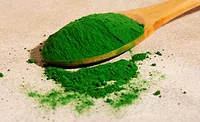
Kash Rocheleau, CEO of ingredients supplier Icon Foods, shared on LinkedIn, “While the FDA is currently pushing for voluntary compliance, this signals a major shift toward cleaner labels and natural formulation—something consumers have been demanding for years. For formulators, now is the time to lean into natural colorants like beet juice, turmeric, and spirulina. Not only do these align with upcoming regulations, but they also give brands a chance to lead, not follow…Reformulation isn't just a compliance task—it's a market opportunity.”
Scott Melville, president and CEO of the Consumer Healthcare Products Association (CHPA), advised in a statement, “As a growing patchwork of state-by-state laws is introducing confusion, inefficiency, and uneven enforcement into our nation’s food and supplement supply, CHPA pledges to work with the Administration to assess federal regulatory standards that are grounded in sound science and provide consumers with the assurances of safety and quality they expect and deserve.”
Related: HHS, FDA cracks down on petroleum-based food dyes
Looking for a reprint of this article?
From high-res PDFs to custom plaques, order your copy today!