Formulating BFY bars is a sweet science: Icon Foods
The company’s chief innovation officer offers tips on crafting treats in the GLP-1 era.
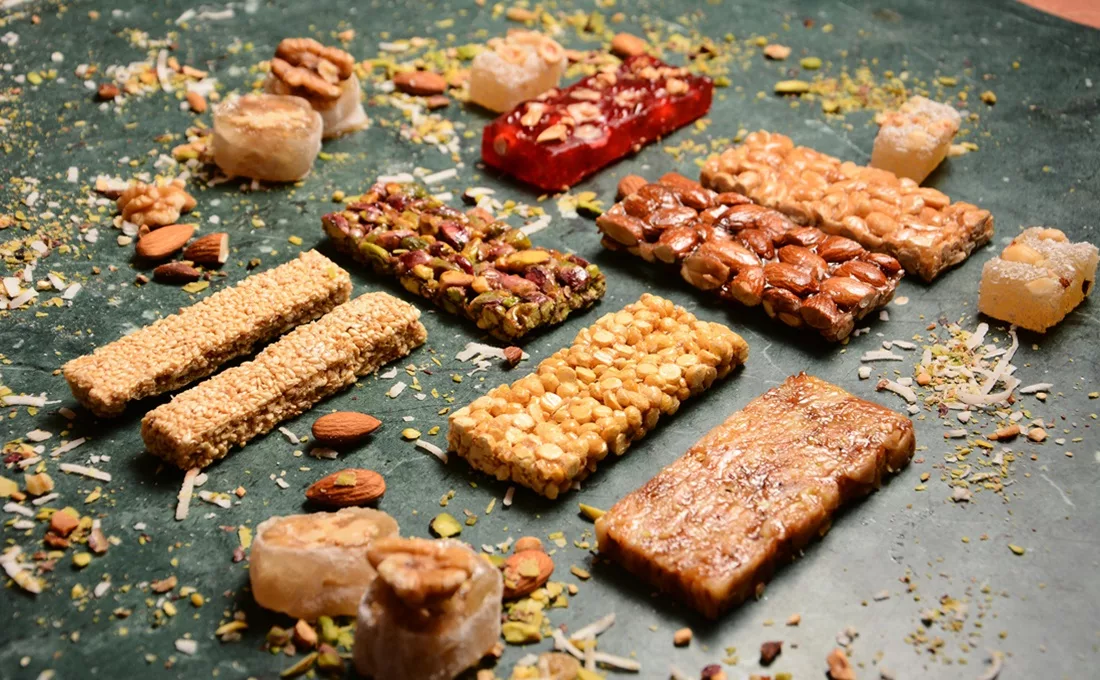
Photo: Tarek Shahin/Pexels
Let’s be real: The bar aisle is more crowded than a Trader Joe's parking lot on a Sunday. Between keto, paleo, protein-packed, plant-based, low-carb, and sugar-free, formulating a bar that actually delivers on both taste and functionality is no small feat. Now, toss in a growing segment of consumers using GLP-1 agonists and other anti-obesity meds like semaglutide and tirzepatide, and you've got a whole new layer of complexity—and opportunity.
Here’s the inside scoop: GLP-1 users are eating less, yes. But when they do eat, they want nutrient-dense, low-glycemic, satiating foods that won’t derail their blood sugar or digestive systems. That’s where your bar can shine.
Bars have come a long way since the humble brick of the '90s. These days, the bar aisle is like the dating app of functional food—swipe right for protein-packed, keto-aligned, or GLP-1-friendly goodness. You’ve got protein bars flexing their macro splits, meal replacement bars trying to be your lunch, snack bars sweet-talking your 3 p.m. cravings, and now even GLP-1-friendly bars whispering, "Hey, we won’t spike your insulin."
Behind the scenes, the formats are just as dramatic. You’ve got extruded bars—those sleek, smooth-textured contenders with great macros and a futuristic feel. Then there’s the slab-and-cut style—hearty, rustic, and bursting with inclusions like chunks of nuts or keto-friendly chocolate. And don’t forget baked bars—warm, chewy, and nostalgic. Whether it’s high-fiber, low-sugar, gluten-free, or adaptogen-infused, bars today are multitasking heroes. One might even say they’re raising the bar on what snacking can be.
When it comes to sweetening systems, think of it like forming a band—no single sweetener can rock the stage solo. By blending sweeteners like erythritol, allulose, isomaltooligosaccharides, stevia, monk fruit, and soluble fibers, you get the full concert: sweetness without the bitter encore, bulking for bite, and that smooth mouthfeel that keeps fans (and taste receptors) coming back for more. These are the unsung heroes behind better-for-you bars that actually taste like a treat, not a trade-off.
Erythritol: the gentle sugar alcohol
Unlike sorbitol or maltitol, erythritol has a near-zero glycemic impact and doesn’t ferment in the gut, meaning no bloating or gas for your consumers. It's about 60-70% as sweet as sugar and works beautifully as a bulking agent when paired with high-intensity sweeteners. It also adds a subtle cooling effect, which can be refreshing in chocolate-based or mint-flavored bars.
Allulose: the metabolic unicorn
Allulose is the real MVP for formulating in the GLP-1 era. It tastes like sugar, browns like sugar, and behaves like sugar in baking—but it doesn't spike blood glucose or insulin. For consumers already taking meds that modulate insulin response, allulose is a strategic fit that plays well with their lifestyle. The only downside is it isn’t allowed in Whole Foods, yet. If that’s a dealbreaker, skip it. But if not, Amazon and Shopify will welcome you with open and loving arms in your direct-to-consumer quest for glory.
Stevia and monk fruit: the dynamic duo
Pairing stevia and monk fruit has become a go-to strategy for food and beverage formulators—it helps eliminate bitterness and creates a more balanced, sugar-like sweetness. Stevia and monk fruit are like the ultimate flavor frenemies—each has its quirks, but together they cancel out each other's off notes, leaving you with clean, balanced sweetness and zero weird aftertaste.
Now, take it up a notch with Reb M stevia and mogroside V from monk fruit—these two high-purity extracts are the ultimate power couple of sweetening. Reb M delivers a sugar-like sweetness with minimal bitterness, while mogroside V brings smooth, fruity depth, making them perfect for premium better-for-you bars where taste is king but sugar’s been dethroned. This combo is key to making better-for-you bars taste indulgent without compromise.
Isomaltooligosaccharides (IMO): the duct tape of bar formulation
Building the perfect bar is a lot like crafting the perfect playlist. You need something that holds it all together, adds smooth transitions, and still lets the headliners (like protein and flavor) shine. That’s where IMO steps in.
These mild-mannered sweetening fibers don’t crave the spotlight. They quietly do their job—binding oats to nut butter, hugging protein crisps, and keeping your bar chewy instead of turning it into a brittle brick halfway through shelf life.
And let’s talk sweetness. IMO provides just enough sweetness to round out your formula without stealing the show. Plus, it's got prebiotic powers, feeding gut bacteria while it holds your bar together. A functional fiber with benefits? Yes, please.
Agave inulin: gut-friendly fiber with function
Agave inulin is a prebiotic powerhouse that supports the gut microbiome—a critical consideration for GLP-1 users, who often report digestive slowdown. With a mildly sweet taste, excellent solubility, and the ability to improve texture and shelf-life, agave inulin helps you deliver that soft, chewy mouthfeel consumers crave.
Soluble tapioca fiber: clean label, clean gut
Derived from cassava root, soluble tapioca fiber offers prebiotic benefits and excellent digestive tolerance. It helps bind ingredients, improve water activity, and increase fiber content, which, let’s face it, most of us could use more of, especially GLP-1 users looking to maintain satiety and digestive regularity.
You’d be surprised how much fiber you can sneak into a bar these days—we’re talking 8, even 10 grams per serving without raising an eyebrow (or a stomachache), especially when you blend wisely. With more folks tracking macros, stacking fibers like soluble tapioca with inulin is the sweet spot—gut-friendly, GI-smooth, and macro-aligned.
Don’t forget the inclusions
It’s estimatedthat more than 10% of a bar’s added sugars come from the inclusions—you know, those tasty little tidbits that add excitement and a burst of flavor. You’re not making a candy bar, so why use inclusions that are just going to drive up your added sugars? There are plenty of low- or zero-added-sugar inclusions available.
Icon Foods’ SweetBitz inclusions are a prime example of how innovative ingredients can transform the nutritional profile of bars. Our inclusions are designed to provide sweetness and texture without the excessive calories associated with traditional added sugars. By using SweetBitz, manufacturers can create bars that maintain a satisfying taste and mouthfeel while significantly lowering the total sugar content and driving down water activity, thus extending shelf life.
The versatility of SweetBitz inclusions—which include flavored morsels, white and dark chocolate flavored chips, and sprinkles—makes them a valuable asset in product formulations. They can be incorporated into various types of bars, including protein bars, granola bars, and snack bars, providing a sweet taste that complements other ingredients. Who says better-for-you bars can’t party? Toss in some colorful sprinkles made with veggie-based colors for a limited-time "confetti crunch" and suddenly, boring bars never felt so festive. Or go old school with a twist—mini chocolate-flavored chips tucked into a high-protein bar that screams dessert but quietly delivers macros like a paperboy.
Formulators that utilize no-added-sugar inclusions can score big by positioning their bars favorably in a competitive market, appealing to consumers looking for both indulgence and health.
Precision in sugar reduction
Icon Foods has been at the forefront of clean-label sugar reduction for decades. Our sweetener systems are calibrated to mimic sugar’s flavor curve without the glycemic load. From our PreBiotica Agave Inulin and FibRefine Soluble Tapioca Fiber, to our latest innovation, MonkSweet LS4—a proprietary blend of mogroside V from monk fruit and Reb M stevia—our ingredients deliver high-potency sweetness with no metabolic consequences. We offer a versatile portfolio that includes erythritol, allulose, Reb M stevia, monk fruit, inulins, fructooligosaccharides, and more, with organic options available for many. Backed by deep formulation expertise, our team partners with brands to develop tailored solutions that meet sugar reduction targets while preserving taste, texture, and label integrity.
This isn’t just about jumping on the GLP-1 bandwagon. It’s about meeting a rising demand for foods that are metabolically intelligent, microbiome-friendly, and genuinely enjoyable to eat. With pre-mixed sweetening blends, fibers, and inclusions in your toolkit, you can create better-for-you bars that work with the body's chemistry—not against it.
Podcast: Kash Rocheleau, Icon Foods
Looking for a reprint of this article?
From high-res PDFs to custom plaques, order your copy today!