The competitive buns and rolls segment overall shows only minimal overall growth, but select ingredients and product dynamics, like better-for-you, can drive new levels of interest.
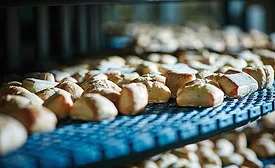
Buns and rolls continue to emerge from ovens nationwide at a steady pace. While overall category growth has been minimal, several companies saw comparatively significant gains. And while traditional products maintain perennial allure, new interest comes from ingredients like whole grains and sweeteners.
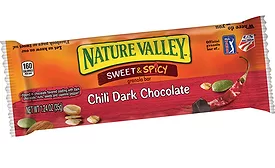
The bars category continues show good to strong levels of growth, with sufficiently diversified product offerings to appeal to nearly every type of shopper. Few product categories so seamlessly fit into today’s on-the-go lifestyle suited to on-demand snacking.
Bakery companies across the industry have built incremental growth through strategic product and line launches that meet the changing demographic demands.
Tradition is the foundation that grounds much of the bakery industry’s continued success. We see this immutable fact across nearly every category, with leading companies selling billions of dollars of traditional baked goods that have long stood the test of time. These are core products beloved by millions of shoppers.
The number of gluten-free products that have entered the market in recent years is quite large—almost mind-boggling. To some degree, this trend was fostered by FDA’s relatively new rule, Gluten-Free Labeling of Foods (August 2013), which allows manufacturers of foods inherently gluten-free to make such label claims. Thus, we now have gluten-free tomato sauce, a product that was probably always gluten-free.
A host of functional ingredients―from fats and oils to fibers and starches―are available to help bakers and snack producers resolve formulation challenges.
During research and development, bakers and snack producers face formulation hurdles on a daily basis. Luckily, functional ingredients like fats, oils, dough conditioners and egg replacers can help them solve a host of common challenges.