Snack food and bakery facilities need to efficiently deliver water for sanitation and cleaning tasks, using just the right amount, while reusing what they can. They also often need to manage, treat and/or recover wastewater, maintaining peak sanitary standards and food safety, including proper placement of drains, to help save time and money.
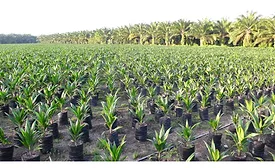
We were recently able to interview Marie Lavialle-Piot, sustainability program manager, Cargill, about why sustainability is important in today's global palm oil market.
Better-for-you tortilla pioneer La Tortilla Factory has long integrated itself into thriving Sonoma County and supports several area outreach programs.
So you plan on implementing lean manufacturing at your plant, and you wonder what impact it will have on your culture. It will have a huge impact. If it doesn't, you did not successfully roll out lean.
When NMI began conducting research on the eco-marketplace in 2002, sustainability was novel enough that it was only relevant to approximately 20 percent of the population.
Most people enjoy chocolate. According to Mintel, 85 percent of U.S. consumers buy chocolate. And Euromonitor estimates U.S. consumers eat an average of 9.5 lbs. of chocolate per year.
When considering the problem of food waste in America, it’s easy to envision grocery distributors or large-scale restaurant operations with dumpsters full of spoiled meat and produce in a back alley.
Fryers continue to see ongoing improvements related to hygienic design, oil management and energy efficiency. Equipment suppliers are also offering models that occupy a smaller physical and carbon footprint, and that include adaptability to handle a diverse array of products.
According to Maru/Matchbox, Toronto, sustainable products that were once considered premium are being pushed into the mainstream as consumers become more invested in the environmental and humanitarian implications of their food choices.
 RSS
RSS